
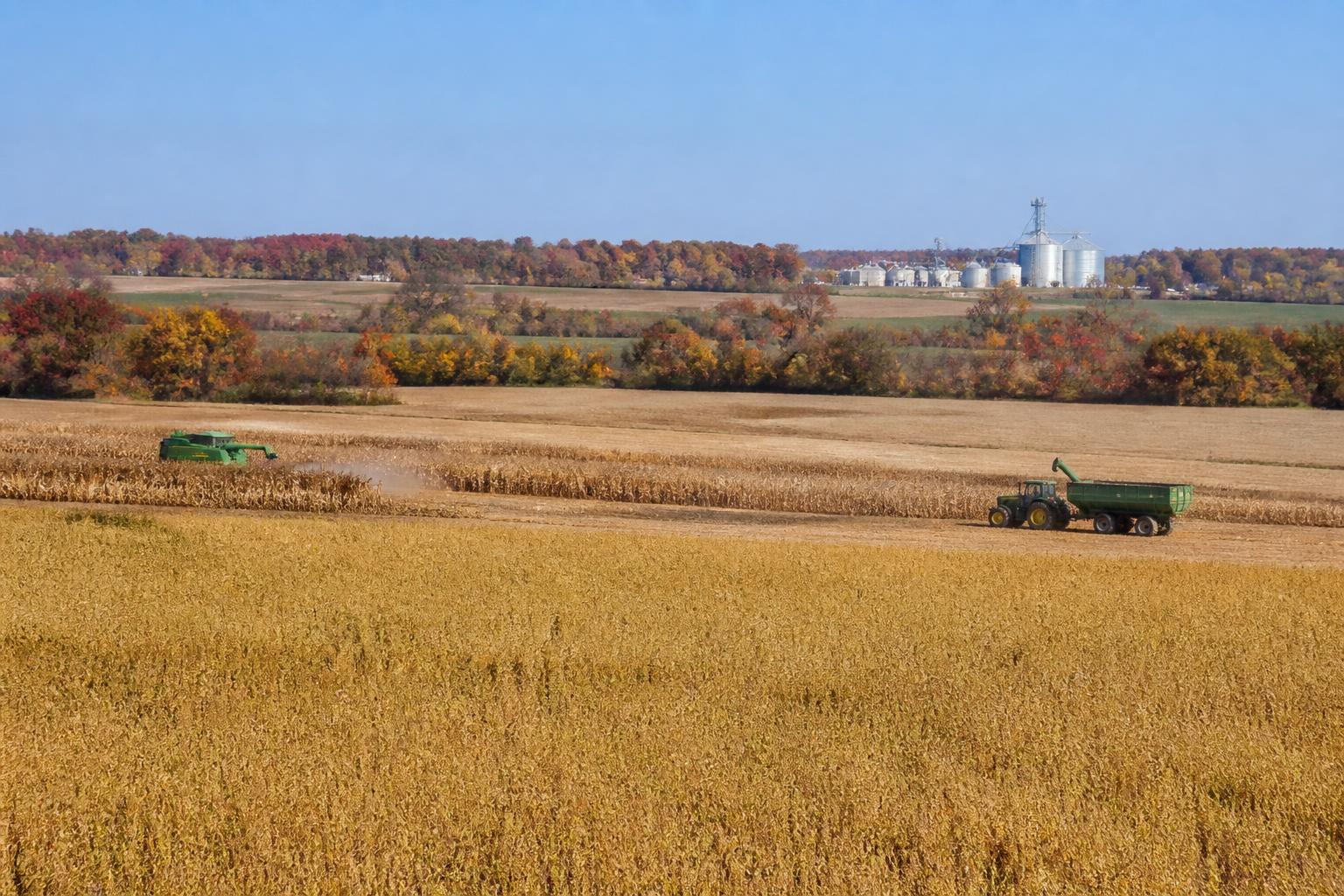
As the state moves deeper into the fall season, Missouri's agricultural infrastructure is receiving renewed attention. The reliance on efficient logistics remains a critical factor for producers looking to maximize market access during the harvest window. Recent developments along the Missouri River underscore an industry-wide push to bolster regional transit capacity, providing producers with alternative avenues to move grain and receive essential inputs.
Expanding River and Regional Logistics
Investment in logistics and transportation capacity continues to be a priority for many stakeholders across the state. New projects, including upcoming dock and warehouse expansions, aim to provide farmers with more competitive options for moving their products. By diversifying these transit points, the agricultural supply chain can potentially mitigate the congestion often seen during peak harvest months.
Furthermore, the establishment of regional fertilizer facilities is designed to shorten supply chains. These investments often aim to improve the speed of delivery and reduce the volatility associated with sourcing inputs from longer distances. For many operations, having localized supply hubs can be a significant advantage in controlling input costs throughout the year.
Managing Seasonal Operational Flow
Effective resource management remains essential during this time of year. Agricultural extension services continue to emphasize the importance of tailor-made budget planning to navigate shifting operational expenses. As farmers monitor their fields, aligning logistical planning with these individualized financial strategies can help maintain operational stability despite wider market fluctuations.
Market participants are also keeping a close watch on infrastructure maintenance and the reliability of local transport networks. Ensuring that regional routes remain clear and efficient is vital for preventing the sort of logistical disruptions that can impede the flow of goods to and from the farm gate.
What it means for the market
For Missouri farmers, the ongoing focus on managing operational inputs and logistics suggests a landscape where supply chain reliability is increasingly valued. As new storage and transit facilities come online, producers may gain better leverage in marketing their crops, potentially reducing the costs associated with transit and seasonal bottlenecks as the fall season reaches its height.
Comments
No comments yet - be the first to share your take.