
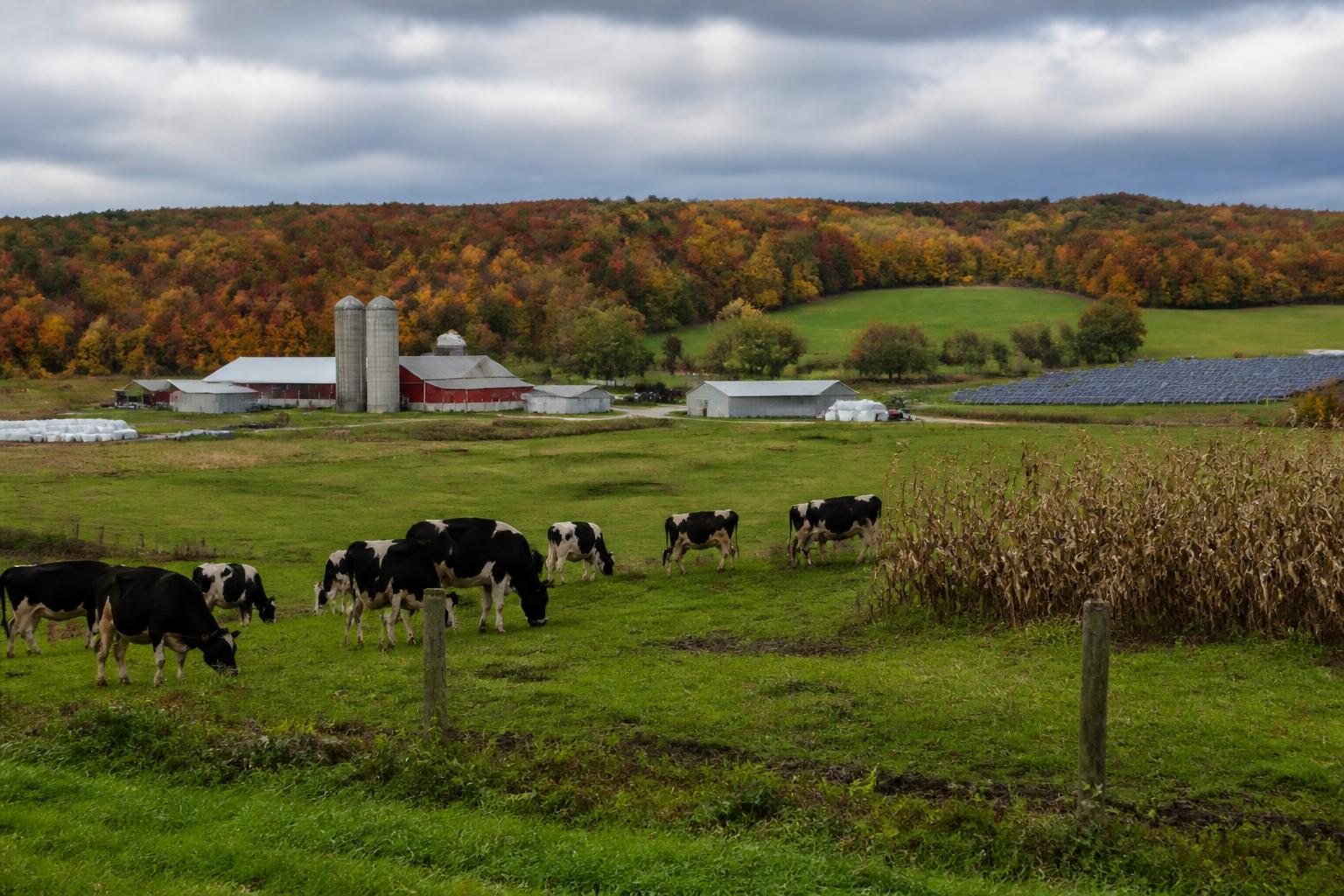
As Vermont transitions into the heart of the fall harvest season, producers are navigating a complex landscape of new regulatory mandates and persistent operational pressures. With recent legislative shifts impacting input choices, farmers are recalibrating their crop protection strategies to maintain yield potential while adhering to state-specific restrictions.
For those managing diverse operations, balancing labor needs with crop output remains a priority. Navigating the transition toward more modern resource management has become a focal point for many in the state, particularly as producers evaluate the long-term sustainability of their current workflows. Adapting to these changes requires careful planning, especially when securing necessary seasonal support to get the harvest in under tightening windows.
Adapting Input Strategies
Recent developments in pesticide policy have put the spotlight on chemical management across the state. Vermont has moved to prohibit certain substances, such as paraquat, prompting a shift toward alternative weed management protocols. This regulatory shift, while protective of local environmental health, necessitates that producers act early to secure approved materials and adjust their phosphorus and nutrient management programs to account for these changes.
Logistics and Market Preparation
Beyond inputs, the logistics of a successful harvest hinge on equipment readiness and labor availability. Many farms continue to integrate agritech solutions to track yields and optimize efficiency in real-time. As the season progresses, ensuring that storage and handling facilities are prepped for incoming yields is critical for those looking to maximize their returns in an increasingly competitive market.
What it means for the market
The current climate in Vermont emphasizes adaptability. For growers, the path forward involves tighter integration of compliant inputs and an proactive approach to labor and equipment management. Producers who leverage current technological advancements to streamline these transitions will likely be better positioned to mitigate the risks associated with this evolving regulatory and operational environment.
Comments
No comments yet - be the first to share your take.