
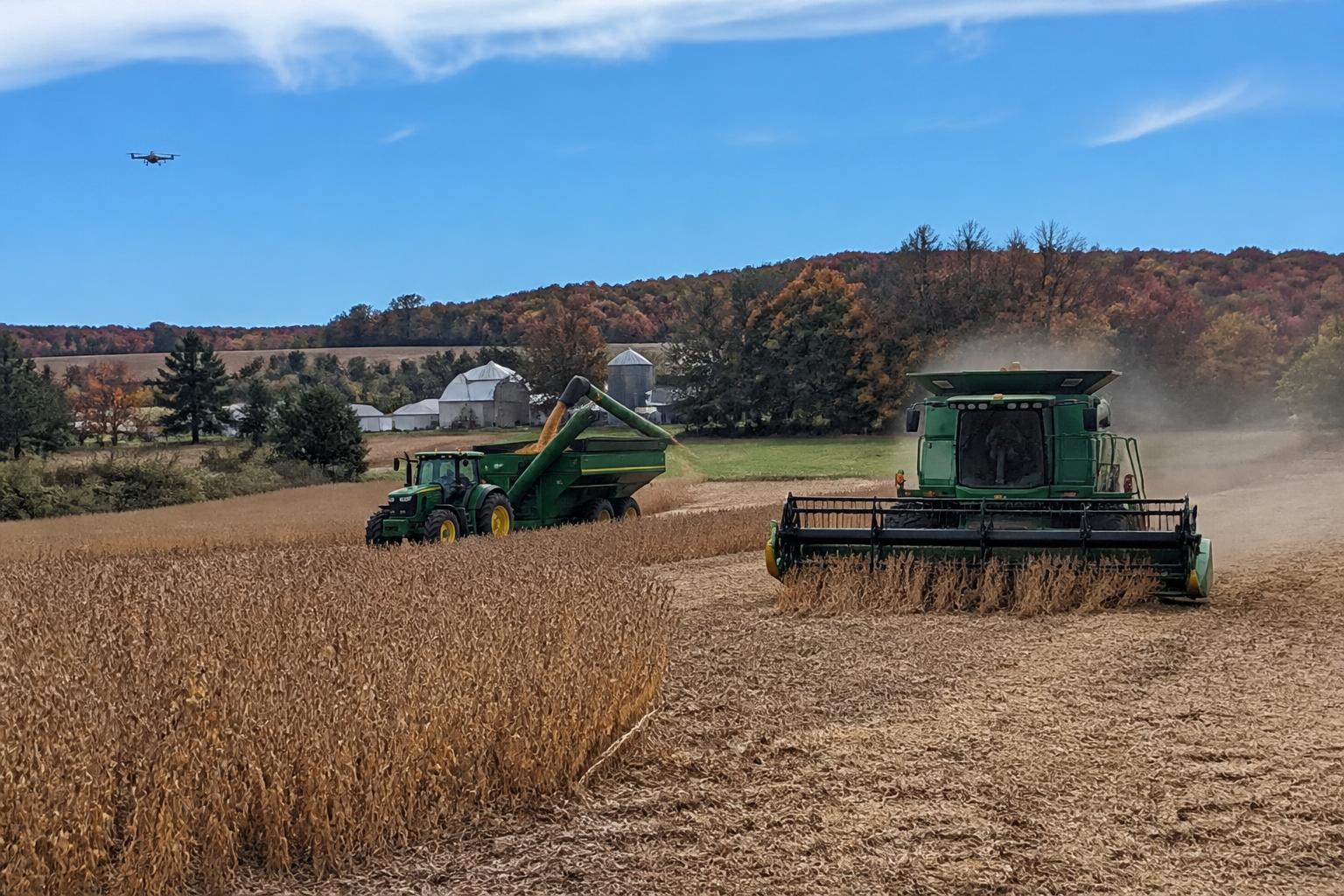
As Pennsylvania producers move deeper into the fall harvest season, the focus remains squarely on optimizing logistical efficiency and managing rising input costs. With field operations accelerating across the state, from the fertile soils of Lancaster County to the rolling landscapes of the western regions, farmers are increasingly looking toward precision tools to streamline their workflows. The integration of high-tech solutions, including drone-based monitoring and advanced hardware like specialized tires for heavy equipment, is becoming a staple for those looking to maximize operational margins under tight schedules.
The current agricultural climate in the state highlights a dual emphasis on innovation and infrastructure security. As discussed in our look at land preservation and development challenges, maintaining a viable footprint for production is essential for long-term supply chain health. Producers are weighing these land management strategies against the immediate need for reliable drying and processing infrastructure to handle this year's yields.
Technology Adoption and Field Performance
Innovations continue to reshape the local landscape. Many producers have turned to specialized drying equipment to mitigate moisture-related quality losses during erratic weather periods. Furthermore, the rapid adoption of drone technology is transforming how small-to-midsize operations handle field scouting and crop health analysis. These investments are helping farmers maintain a more granular understanding of their inputs, which is particularly relevant as the industry navigates shifting supply chain pressures during the critical harvest window.
Policy and Market Resilience
Beyond the field, the legislative front remains active. Recent debates surrounding processing waste and agricultural policy are being closely monitored by agribusiness leaders across the Commonwealth. These discussions reflect a broader desire to create a more predictable environment for operations, ensuring that both local and export markets remain accessible. As policymakers continue to deliberate on federal and state-level farm programs, the consensus among local producers is clear: stability in resource access and infrastructure support remains paramount to maintaining a competitive edge.
Key Takeaways for Producers
- Prioritize preventive maintenance on transport vehicles and drying equipment to prevent bottlenecking during peak harvest weeks.
- Leverage precision data to optimize nutrient application for next season, balancing current cost constraints with long-term soil health goals.
- Stay engaged with local farm bureau developments to track policy shifts that may impact land use and waste management regulations.
What it means for the market: For Pennsylvania agribusinesses, this period requires a balanced approach of high-tech efficiency and conservative resource management. By leaning into precision technology and maintaining strong ties with local processing partners, producers can better insulate themselves against the market volatility typically experienced during the fall months.
Comments
No comments yet - be the first to share your take.