
Alaska's agricultural landscape is entering a critical transition phase this September. As producers wrap up the fall season, the focus is increasingly shifting toward long-term sustainability and the integration of novel crops. Diversification remains a key strategy for operations looking to mitigate seasonal volatility and improve economic performance across the state's diverse growing regions.
Expanding Horizons for Alaska Growers
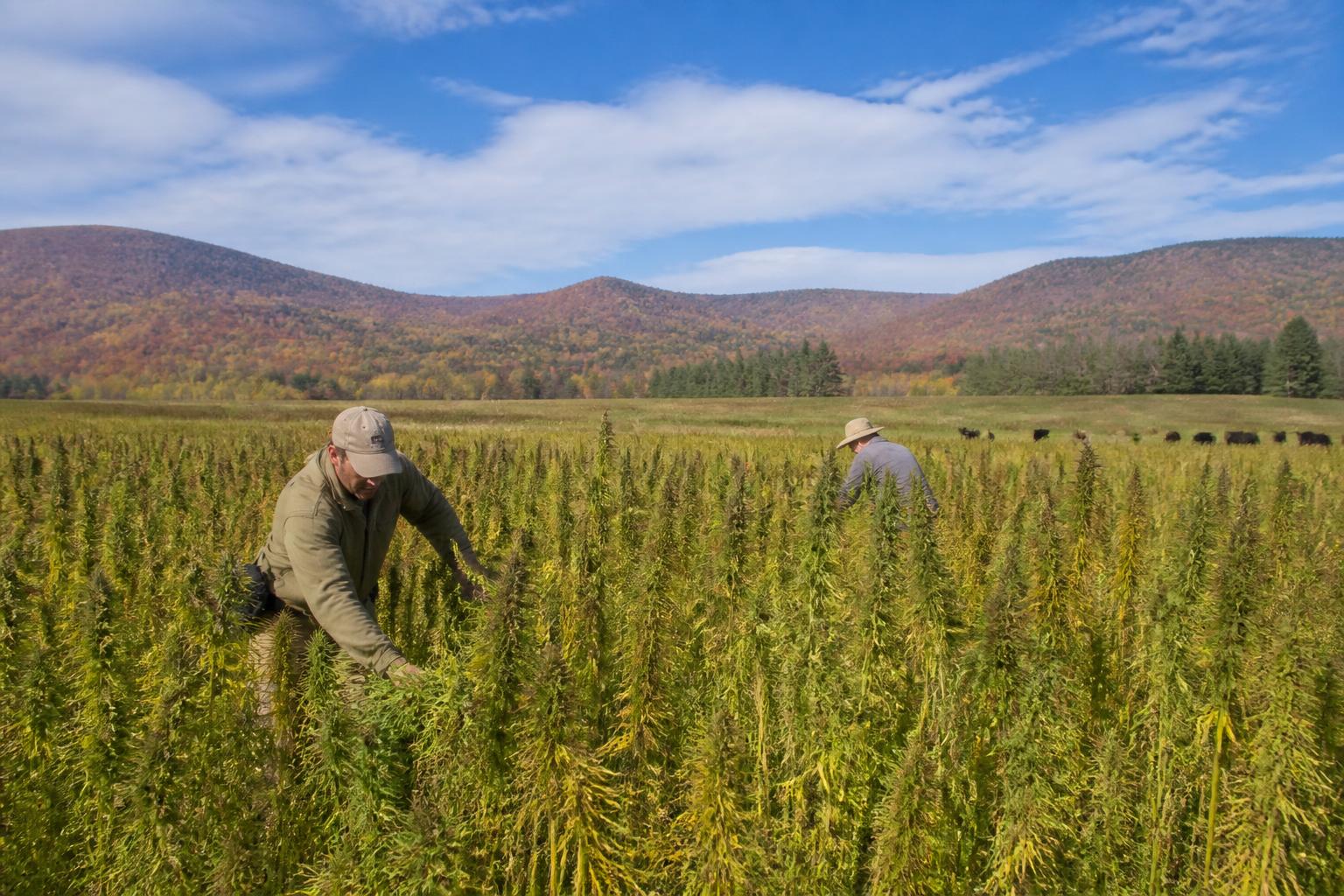
The state's agricultural sector is showing a renewed interest in diversifying crop portfolios to ensure greater economic stability. Recent legislative efforts to strengthen the local industrial hemp industry have signaled a commitment to exploring high-value alternatives that may thrive in our unique environmental conditions. These developments represent a broader push to modernize and adapt traditional practices to current market demands, reflecting a proactive approach to land use and resource management.
Sustainability as a Business Strategy
Beyond crop variety, there is growing emphasis on the role of carbon farming and sustainable soil management. Protecting agricultural assets through thoughtful stewardship is increasingly viewed not just as an environmental necessity, but as a practical business decision. By adopting techniques that enhance soil health and water retention, producers may be better positioned to manage the unpredictable shifts that characterize the northern climate.
What it means for the market
For farmers, handlers, and regional agribusinesses, the takeaway is clear: adaptability is the new baseline for profitability. As the industry explores new frontiers in crop production and conservation-minded farming, those who remain agile in their operational planning are likely to see better long-term outcomes. Monitoring these evolving legislative and market trends will be essential for anyone looking to maintain a competitive edge in Alaska's developing agricultural economy.
Comments
No comments yet - be the first to share your take.