
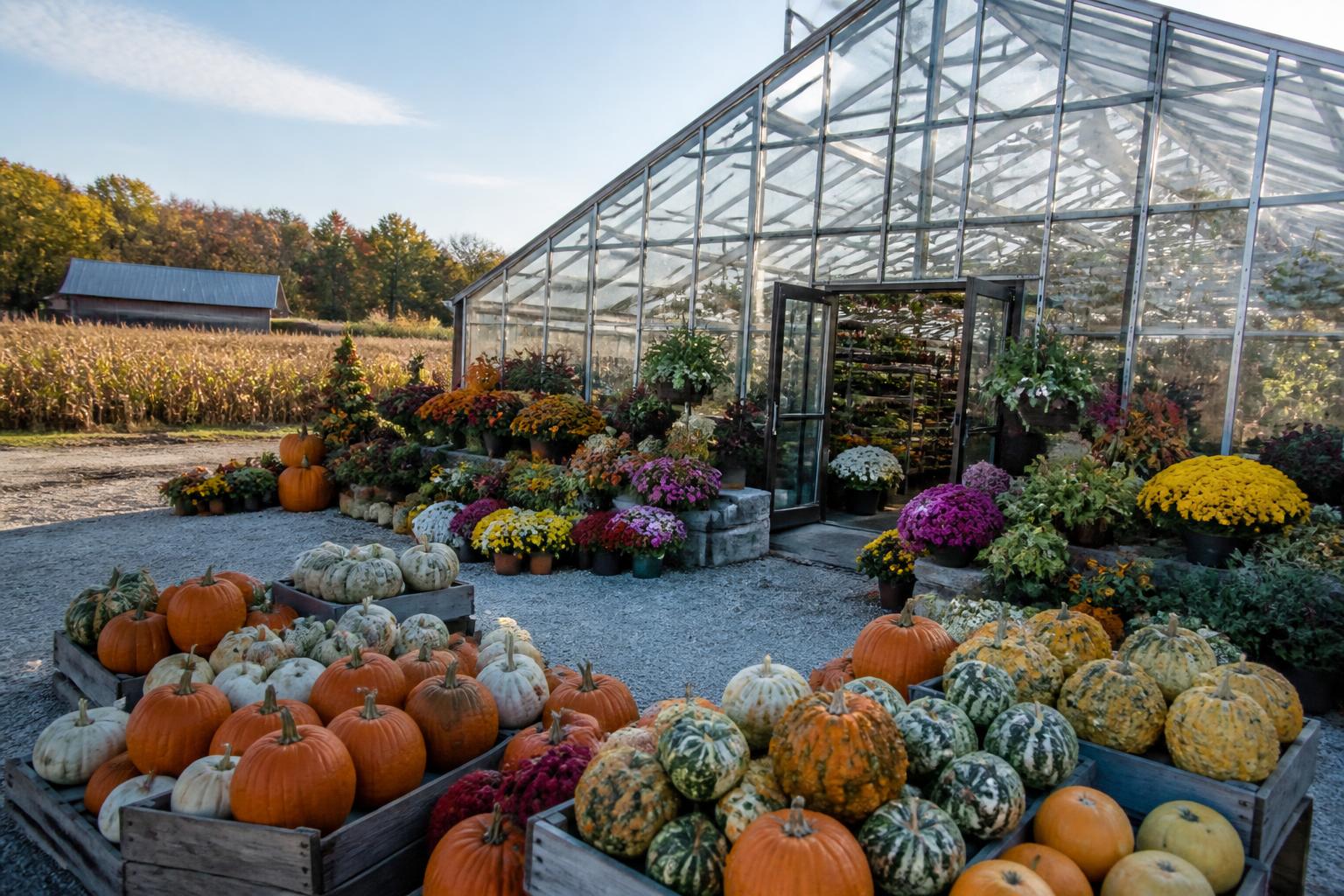
With the fall season now underway, Alabama agribusinesses are turning their attention toward the logistical complexities of the harvest period. Navigating the state’s agricultural supply chain requires careful coordination between producers and transport providers, particularly as regional operations scale up to meet seasonal demand. Efficient movement of commodities across Alabama’s infrastructure is vital for maintaining margins as harvest activity intensifies.
In the current regulatory environment, there is a continued push toward reducing administrative hurdles for those involved in agricultural production and transport. Discussions regarding the removal of government red tape are increasingly relevant for farmers who are looking to streamline operations during high-traffic months. For many in the sector, minimizing these burdens is seen as a way to support the viability of small and medium-sized farms as they move goods to local storage or market points.
Managing Logistics Through the Harvest Cycle
The transition into fall often brings unique pressures on Alabama’s rural road networks and grain handling facilities. Proper preparation, including early logistics and transport coordination, remains a critical factor for ensuring that grain reaches elevators without unnecessary delays. As carriers look to optimize their routes, staying informed on localized traffic patterns and weight restrictions along key regional corridors can prevent costly bottlenecks.
Furthermore, maintaining grain quality from the field to the point of sale is a top priority this season. Ensuring that local storage facilities are properly managed can prevent post-harvest losses and provide farmers with more flexibility when marketing their crops later in the year.
Policy and Operational Outlook
The broader agricultural landscape in Alabama continues to evolve, with an emphasis on both operational efficiency and policy reform. By focusing on streamlined logistics and proactive site management, businesses across the state are better positioned to handle the seasonal influx of activity. The goal remains consistent: keeping products moving reliably from the field to the buyer while navigating the regulatory changes that affect day-to-day business.
What it means for the market: Producers and transport operators should prioritize early planning and regulatory compliance this fall to mitigate potential disruptions. As market conditions remain dynamic, aligning logistics with regional capacity will be essential for maintaining a competitive edge during the height of the harvest cycle.
Comments
No comments yet - be the first to share your take.