
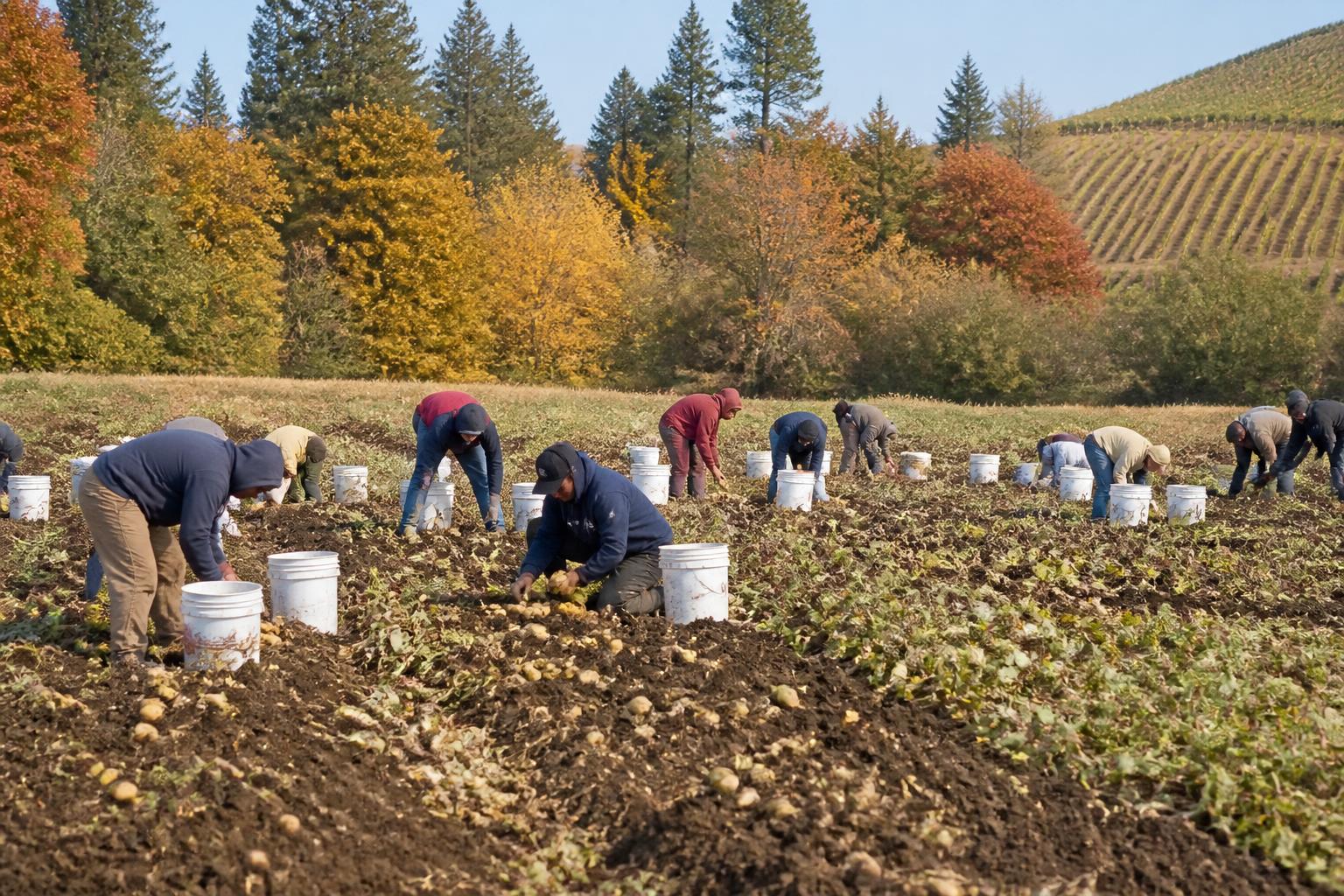
The arrival of the fall harvest season across Washington brings a renewed focus on regional supply chain stability and the long-term viability of high-value crops. As agricultural operations in the state shift gears to manage seasonal throughput, growers remain attentive to both shifting international trade signals and the internal policy dialogues impacting long-term investment in soil health and biotechnology.
For many producers, the current environment necessitates a dual approach to market management. While global trade outlooks often remain fluid, local stakeholders are increasingly emphasizing the role of sustainable land management as a strategic hedge against future uncertainty. As harvest operations ramp up, the ability to coordinate efficient movement from field to port remains a critical factor in maintaining the competitive edge of Pacific Northwest commodities in foreign markets.
Strategic Investment in Regulatory Resilience
Policy developments continue to play an outsized role in how Washington agribusinesses manage risk. Recent industry shifts suggest that organizations are prioritizing the recruitment of specialized policy talent to navigate the intricacies of crop protection and biotech regulations. This proactive stance reflects a broader recognition that the regulatory environment is becoming just as influential as traditional market forces in shaping the regional landscape.
The emphasis on soil health and regenerative practices, long a talking point in Washington's agricultural policy, is increasingly being integrated into practical farm management. For producers, this means balancing the immediate demands of the harvest with investments that ensure compliance and resource efficiency in coming years.
Market Outlook and Regional Coordination
As logistics remain the backbone of the state's agricultural export engine, the focus for the remainder of the season is on mitigating friction in the supply chain. Coordination between local elevators, transit providers, and exporters is essential to ensure that inventory flows smoothly despite the typical autumn pressures. For the average operator, these logistical alignments, coupled with a disciplined approach to input protection, remain the most effective tools for navigating an increasingly volatile global landscape.
What it means for the market
Producers should continue to monitor export demand closely as global trade policies shift. With the harvest in full swing, maintaining operational flexibility and clear communication with logistics partners will be key to protecting margins. Those who align their crop protection and land management strategies with current policy trends may be better positioned to capitalize on market opportunities as the year concludes.
Comments
No comments yet - be the first to share your take.