
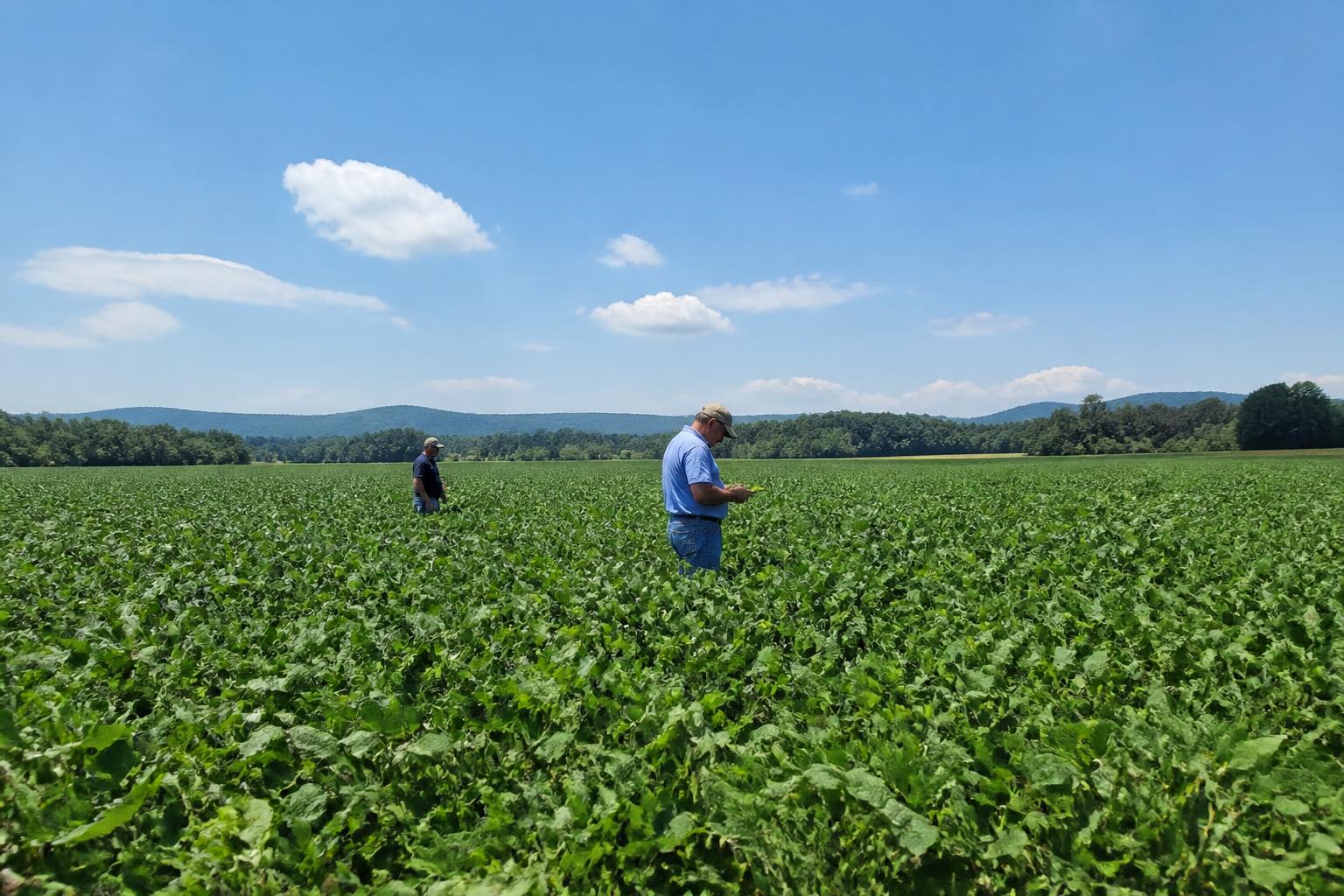
Biological Innovations Drive Input Stability
As traditional chemical applications face regulatory and economic hurdles, biological crop protection is gaining significant momentum in the Mid-Atlantic. Virginia's own biotechnology sector is at the forefront of this shift. Companies like AgroSpheres have secured a fresh 25 million dollars in funding to bring unprecedented stability to crop biologicals. This builds on earlier 4 million dollar Series A funding supported by prominent industry players like Ospraie and Wilbur-Ellis.
The company's proprietary Minicell pesticide technology aims to protect active biological ingredients from degrading in harsh field conditions. For Virginia growers, these technological advancements could soon translate into more reliable, weather-resistant biopesticides that fit cleanly into existing spray schedules, reducing reliance on volatile synthetic chemistry.
Invasive Pest Management and Biosecurity
Summer is the critical window for monitoring and controlling invasive species that threaten Virginia's specialty crops, vineyards, and timberlands. The United States Department of Agriculture's Animal and Plant Health Inspection Service (APHIS) continues to emphasize vigilance against the Spotted Lanternfly, which poses a severe threat to grapes, orchard fruits, and hardwood trees across the state.
Invasive pest control requires coordinated efforts between field managers and transport operators. Implementing careful monitoring and quarantine protocols is highly crucial for moving goods throughout the region, especially as Virginia biosecurity inspections and freight logistics adapt to seasonal cargo demands.
Virginia's legacy in plant protection research also continues to gain international recognition. The International Plant Protection Sciences organization recently conferred a prestigious award on Virginia Tech's S. K. De Datta, highlighting the state's deep academic roots in global crop security and weed science.
Securing Supply Chains Amid Market Pressures
On the macroeconomic front, the fertilizer and crop input industries are actively urging policy action to support U.S. farmers and secure domestic supply chains. Disruptions in global shipping corridors and energy markets have kept input costs top-of-mind for agricultural retailers and crop dusters alike.
These supply concerns coincide with shifting commodity dynamics. Financial markets show that managed money has been heavily betting on lower soybean prices, putting downward pressure on anticipated margins. To protect profitability, farmers must maximize the return on every input investment. Ensuring that summer weed and pest management programs are highly efficient is essential to support the state's agricultural economy, particularly as growers work to sustain the region's emerging grain yields through the heat of the season.
Key Takeaways for Virginia Agribusinesses
- Embrace Biologicals: Watch for new commercial formulations utilizing stable Minicell technologies to improve pest control efficacy under high summer temperatures.
- Spotted Lanternfly Vigilance: Adhere strictly to USDA APHIS guidelines and inspection protocols to prevent the transport of invasive pests to uninfested counties.
- Cost-Efficiency in Focus: With soybean futures facing downward pressure, prioritize targeted, data-driven application strategies to conserve expensive crop inputs.
What it means for the market
For Virginia's agricultural market, the combination of regional biotechnology breakthroughs and strict pest stewardship is critical to offset macro-level input volatility. While commodity market trends require tighter operational budgets this summer, local access to innovative crop protection tools and scientific expertise will help growers defend their yields. Staying proactive on pest monitoring and utilizing local biosecurity frameworks will remain the best defense against summer yield drag.
Comments
No comments yet - be the first to share your take.