
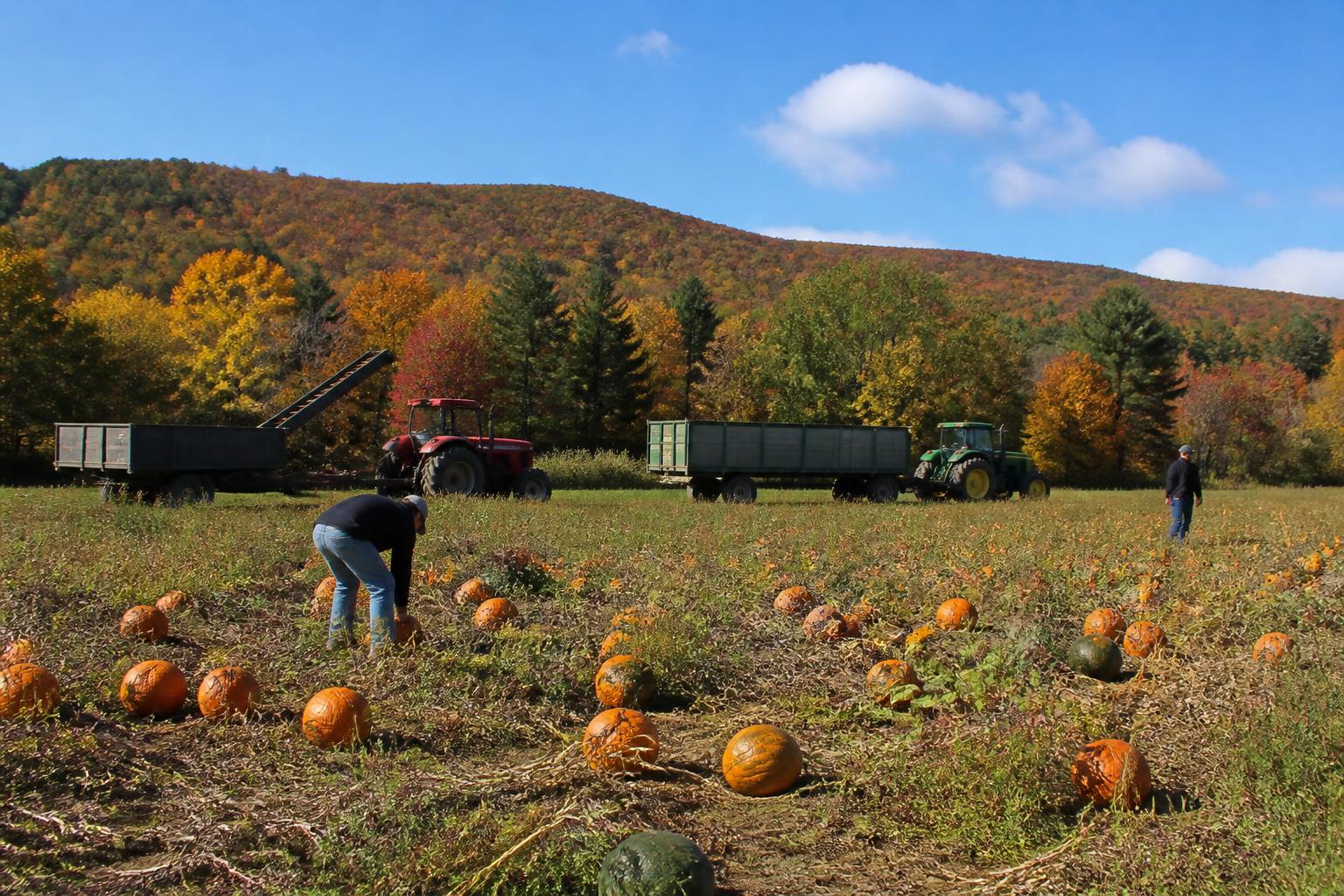
Connecticut farmers are facing a complex landscape this fall, as unpredictable weather patterns and evolving regulatory environments demand increased operational vigilance. From managing thermal stress in livestock and crops to navigating new compliance standards, producers across the state are finding that adaptability is the primary driver of mid-season success.
As the state moves deeper into the harvest cycle, the focus often shifts toward protecting assets against both biological and environmental risks. For insights on balancing these operational demands, local producers may benefit from recent developments in land security and regulatory compliance which remain critical topics for farm owners looking to secure their future.
Weather Volatility and Adaptive Management
The state has seen a noticeable trend toward more erratic weather, leading many agribusinesses to implement protective measures. Whether it is the deployment of frost fans to protect sensitive crops during early cold snaps or adjusting irrigation schedules to mitigate heat stress, the traditional seasonal calendar is becoming less of a reliable guide for operations. Flexibility in labor management and irrigation infrastructure is proving to be a necessary buffer against these fluctuations.
Regulatory and Biological Vigilance
Beyond weather, producers are contending with heightened scrutiny in input management and site security. Recent discussions surrounding chemical applications, such as the debate over specific herbicides, highlight the importance of staying current with state-level mandates. Additionally, regional wildlife pressure remains a factor; agricultural businesses are being encouraged to adjust their practices to mitigate potential damage and minimize attracting unwanted wildlife to farm perimeters, which can disrupt routine operations during busy harvest periods.
What it means for the market
For Connecticut growers and processors, these challenges emphasize a need for diversified risk management strategies. The ability to pivot quickly, whether in response to tightening labor regulations or shifting climate conditions, is essential for maintaining thin margins. Agribusinesses that prioritize long-term land security and regulatory awareness will likely be better positioned to weather the current volatility in the regional market.
Comments
No comments yet - be the first to share your take.