
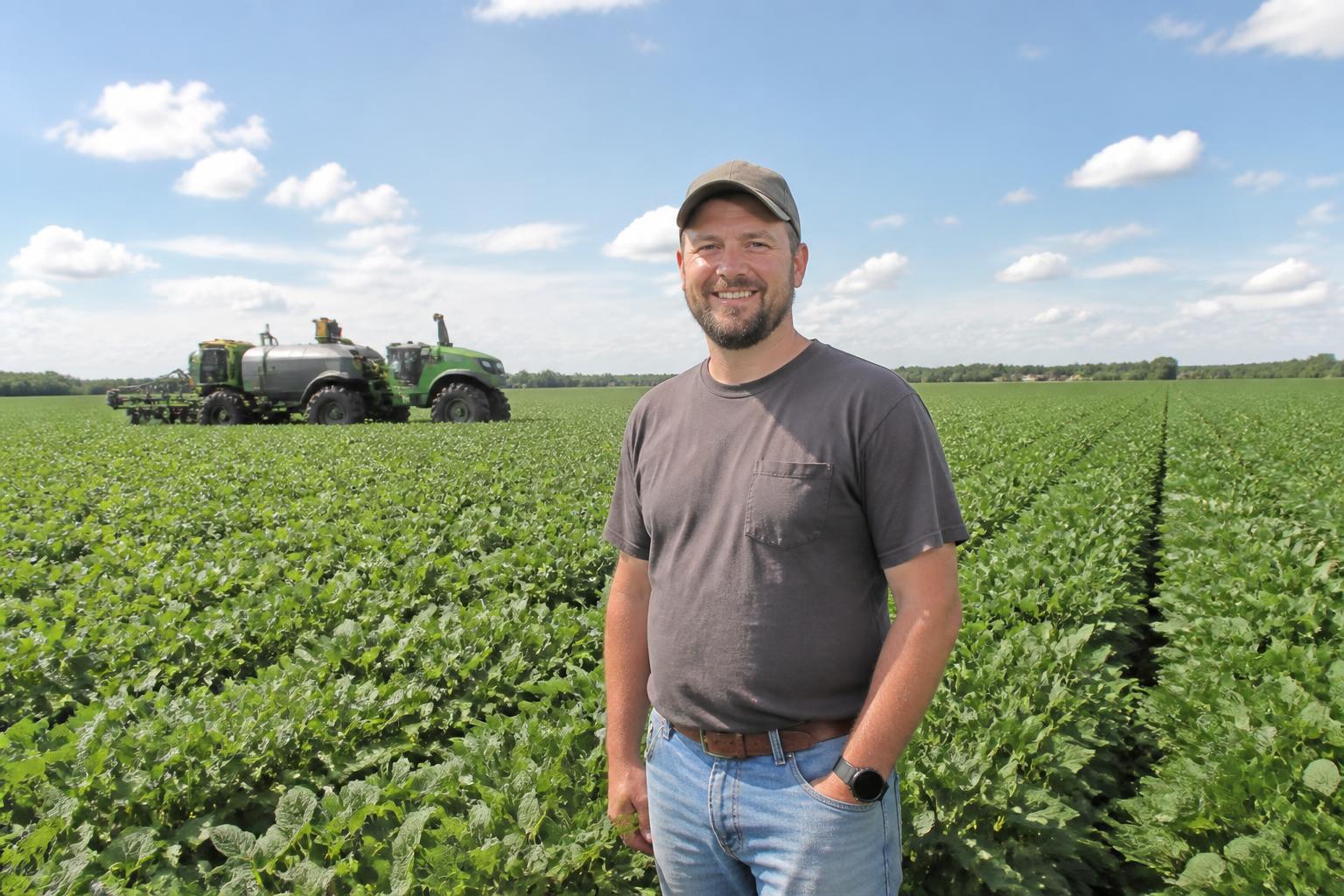
As the Kansas summer heat intensifies, agricultural producers face the annual challenge of protecting crops from pests, weeds, and diseases while managing input costs and public relations. Stewardship in the Great Plains has a long, complex history. Modern Kansas farmers are increasingly pairing traditional chemistry with innovative, sustainable practices to keep fields productive and resilient through the dry summer months.
A History of Safety and Sustainable Practice
Great Plains agricultural history shows that crop protection stewardship is not a new trend. Long before environmental movements gained national prominence, regional aerial applicators and growers questioned chemical safety, seeking better ways to manage spray drift and chemical exposure. Today, this legacy of caution and care continues in Kansas, where local operators are sharing their own stories of sustainable farming.
By adopting integrated pest management (IPM) and precision application, growers can reduce chemical waste while protecting soil and water health. Utilizing targeted applications based on economic thresholds, rather than calendar-based spraying, helps protect beneficial insect populations and limits the development of pesticide resistance in local weed populations.
Navigating a Changing Legal Landscape
Farm protection is not just about biology; it is also about legal and operational security. Recently, the 10th Circuit Court of Appeals ruled that the long-standing Kansas "ag-gag" law is unconstitutional. This decision, which historically restricted undercover filming and unauthorized access to agricultural facilities, marks a major shift in how agribusinesses must handle biosecurity and public relations.
For Kansas livestock and crop operations, this ruling underscores the need for robust, transparent security protocols. Maintaining consumer trust through open communication, rather than relying on legislative shields, is becoming the new standard for local operations. Security on the farm is shifting toward digital surveillance, physical barriers, and clear employee protocols to protect property and livestock from unauthorized entry.
New Crops and Tech to Manage Summer Pressures
To offset the risks of traditional crop failure and heavy pest pressure, researchers at Kansas State University are exploring resilient alternative options, such as sesame. Developing oilseed crops that are naturally drought-tolerant and less susceptible to common regional pests can diversify summer rotations and reduce the overall chemical load required to keep fields clean.
This search for crop diversity comes at a critical time, as geopolitical volatility and rising energy costs continue to exert pressure on global chemical supply chains. To navigate these rising expenses, producers should keep an eye on broader grain market shifts in Kansas to optimize their marketing windows and offset crop protection investments.
Key Takeaways:
- Stewardship has deep roots in the Great Plains, prompting modern farmers to combine traditional inputs with sustainable practices.
- The unconstitutionality ruling on the Kansas "ag-gag" law requires facilities to focus on transparent security and public trust.
- Research into alternative crops like sesame highlights the ongoing shift toward drought- and pest-tolerant genetics.
What it means for the market
The intersection of crop protection, regulatory rulings, and cost management will define the rest of the summer season for Kansas growers. High input costs demand maximum efficiency in chemical applications, making precision technologies and integrated pest management more valuable than ever. Growers who adapt to open security standards while implementing targeted, cost-effective protection programs will be best positioned to protect both their yields and their business reputations in a volatile market.
Comments
No comments yet - be the first to share your take.