
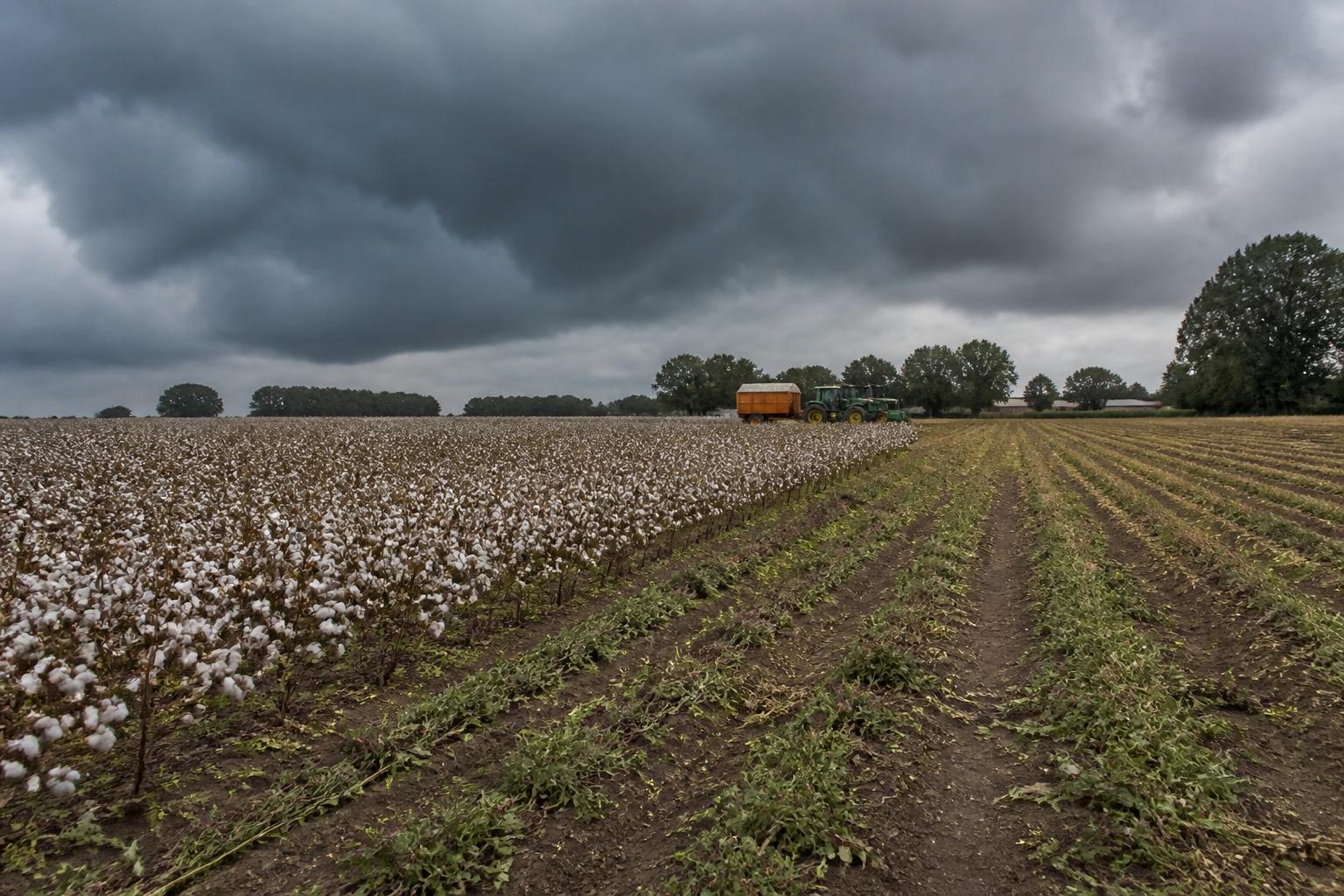
As we settle into September, Alabama farmers are shifting their attention from crop maturation to the logistical realities of the upcoming harvest. For producers across the state, from the fertile soils of the Tennessee Valley down to the coastal regions in Baldwin County, this period is critical for ensuring that high-yielding crops reach storage or market facilities with minimal quality loss.
Successfully moving this year's harvest requires careful coordination between field operations and local elevator capacity. Efficient grain handling often hinges on keeping moisture levels in check and maintaining tight communication with transportation partners to avoid bottlenecks at intake points. As highlighted in our recent look at preparing grain storage systems, taking proactive steps now can significantly reduce the risk of spoilage later in the season.
Managing Field Logistics
For many operations, the primary challenge remains the synchronicity of equipment and labor. Maintaining a steady flow from the combine to the truck, and eventually to the bin, is essential for maximizing the window of opportunity before late-season weather patterns shift. In regions where infrastructure may face seasonal pressure, ensuring your transit plan is ironed out is just as vital as monitoring the crop's physiological maturity.
Producers should also remain cognizant of local road and weight restrictions, particularly when navigating equipment between fields or moving product to regional hubs. Understanding the nuances of navigating transport challenges can help prevent unexpected delays during the busiest weeks of the season. Coordination with your local cooperative or private elevator regarding expected intake schedules often pays dividends during peak harvest traffic.
What it means for the market
The efficiency of this year's harvest will have a direct impact on the localized pricing power of Alabama growers. By optimizing storage and smoothing out the transition from field to terminal, producers can better position themselves to hold onto inventory if market conditions warrant, rather than being forced into immediate post-harvest sales due to storage constraints. Focusing on logistics today helps ensure that when the crop is finally out of the field, it remains a high-value asset ready for the marketplace.
Comments
No comments yet - be the first to share your take.