
Market Performance and Current Conditions
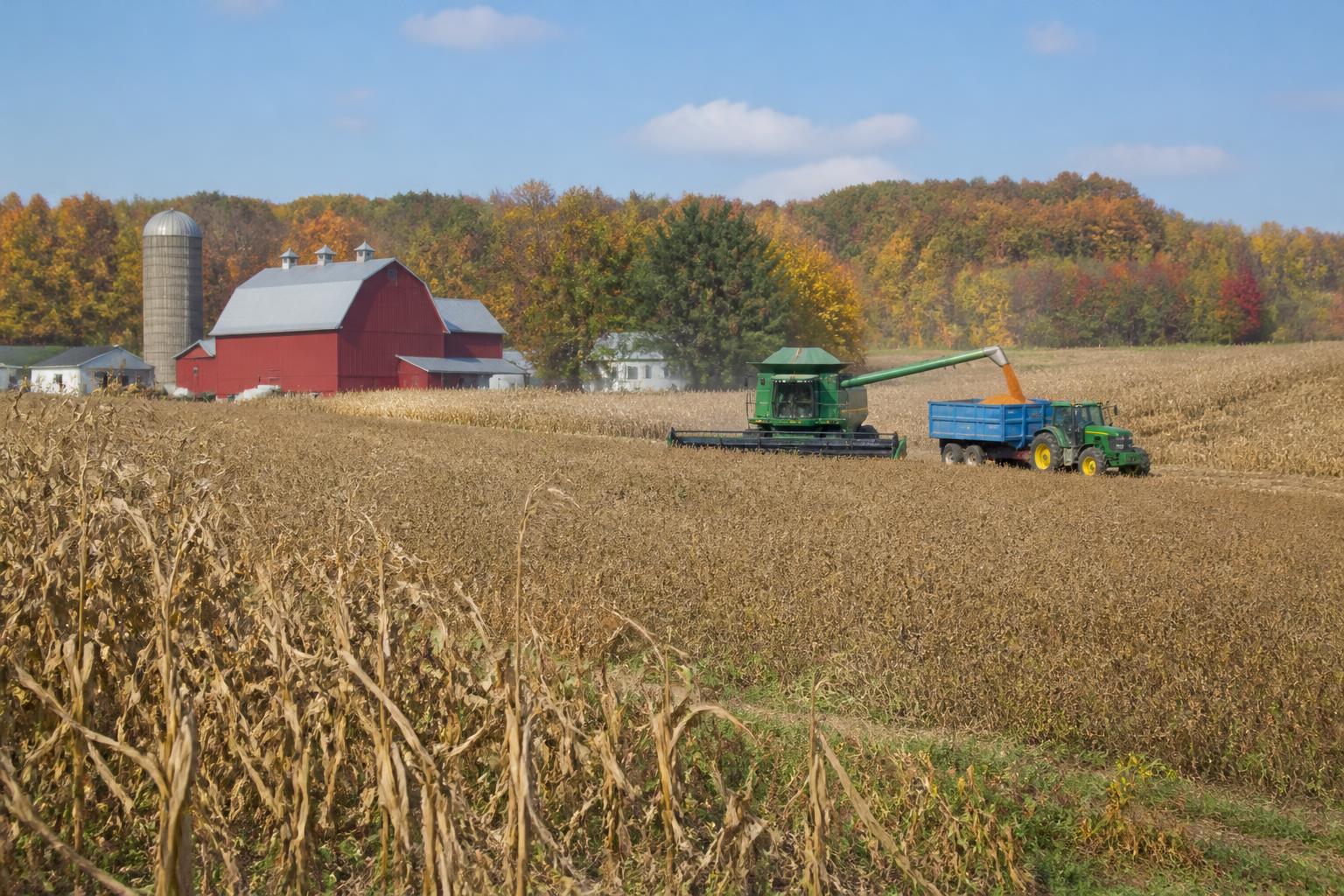
As we move through the final days of October, Connecticut grain producers are closely watching national market signals. Recent trading sessions have shown both strength and volatility, with corn prices recently slipping just below the $4.50 mark. For many regional growers and livestock operations, particularly those in the fertile soils of the Litchfield Hills or the Connecticut River Valley, these fluctuating margins underscore the importance of disciplined inventory management.
While national futures provide the baseline for commodity valuation, local factors continue to play a significant role in farm profitability. Input costs remain a primary concern, as market analysts observe that spikes in fertilizer pricing may influence shifts in crop rotation strategies for the 2027 season. Navigating volatile market conditions requires a localized approach to both sales and supply procurement.
Infrastructure and Operational Focus
Beyond the immediate market trends, Connecticut agricultural businesses are prioritizing long-term resilience through infrastructure investment. Recent reports indicate a continued trend of USDA support for controlled-environment agriculture, with over 18 greenhouse-related projects receiving funding. This shift toward diversified production methods can provide a buffer against the traditional field-crop cycle, allowing producers to adapt more nimbly to environmental or market pressures.
What it means for the market
The convergence of late-season harvest data and tightening margins suggests that efficiency will be the defining factor for Connecticut agribusinesses as they prepare for the winter months. Growers should remain cautious with input purchasing and prioritize grain marketing strategies that reflect current volatility. Monitoring local elevator storage capacity and regional demand from dairy operations, which have a long and rich history in counties like Litchfield, will be essential for maintaining a competitive edge through the remainder of the year.
Comments
No comments yet - be the first to share your take.