
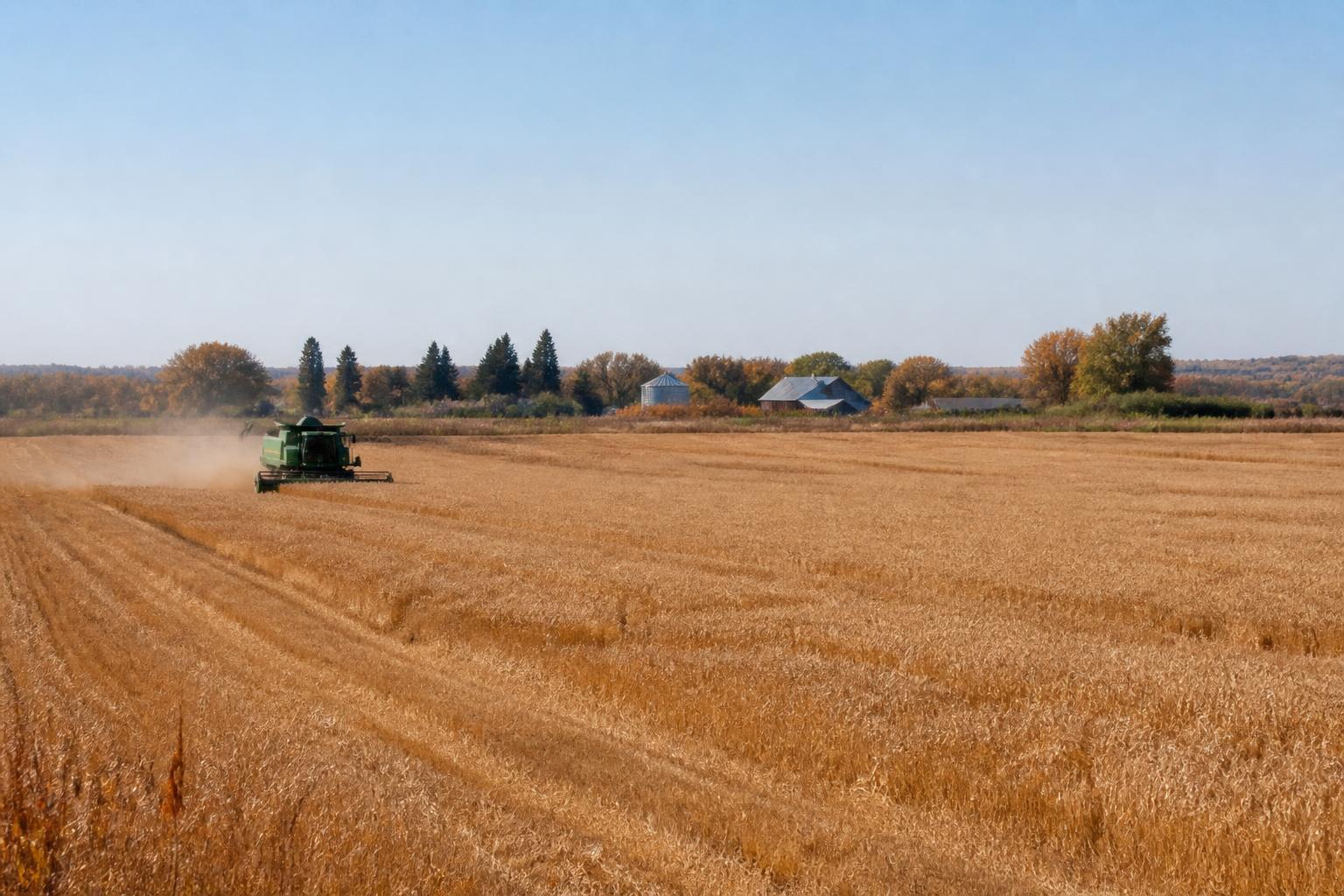
Washington producers are currently navigating a challenging fall season, balancing the demands of harvest with increasingly complex supply chain realities. While the state's agricultural output remains robust, regional handlers and growers are reporting sustained pressure from volatile input costs and broader logistics disruptions that often complicate the movement of goods from inland farms to coastal export hubs.
For many across the Pacific Northwest, maintaining steady export throughput has become a focal point of operational strategy. Growers in eastern counties are particularly sensitive to these shifts, as domestic transportation hurdles and global economic factors influence the bottom line for essential crops like wheat.
Managing Input and Debt Pressures
The current agricultural climate continues to highlight the need for careful financial oversight. As farm debt levels remain a concern across the industry, Washington growers are paying close attention to the affordability of inputs. Recent industry discussions have underscored a collective push toward more reliable and sustainable solutions, with an emphasis on keeping fertilizer and chemical costs manageable throughout the late season.
Furthermore, technology is playing an evolving role in cost management. While high-yield producers continue to push boundaries, others are exploring efficiencies through advanced services, such as drone-based crop protection, to optimize input application and minimize waste.
Logistics and Trade Constraints
Logistics challenges remain a persistent theme for Washington agribusinesses. From road weight restrictions in rural areas to the scrutiny of major shipping partners, producers often face unpredictable bottlenecks that impact timely delivery. These constraints, when coupled with the need to navigate shifting logistics and regional transport realities, make contingency planning essential for grain elevators and logistics managers alike.
Market participants also continue to monitor global trade winds, as even distant geopolitical events can have a ripple effect on the costs of essential farming inputs and the competitiveness of U.S. grain in international markets.
What it means for the market
Washington producers should prepare for continued volatility through the remainder of the fall harvest. Success in the current season will likely depend on maintaining flexible logistics partnerships and closely monitoring the interplay between global shipping reliability and localized input supply chains. Diversifying transportation options and hedging against unexpected cost spikes remains a critical defensive posture as the market heads toward the end of the year.
Comments
No comments yet - be the first to share your take.