
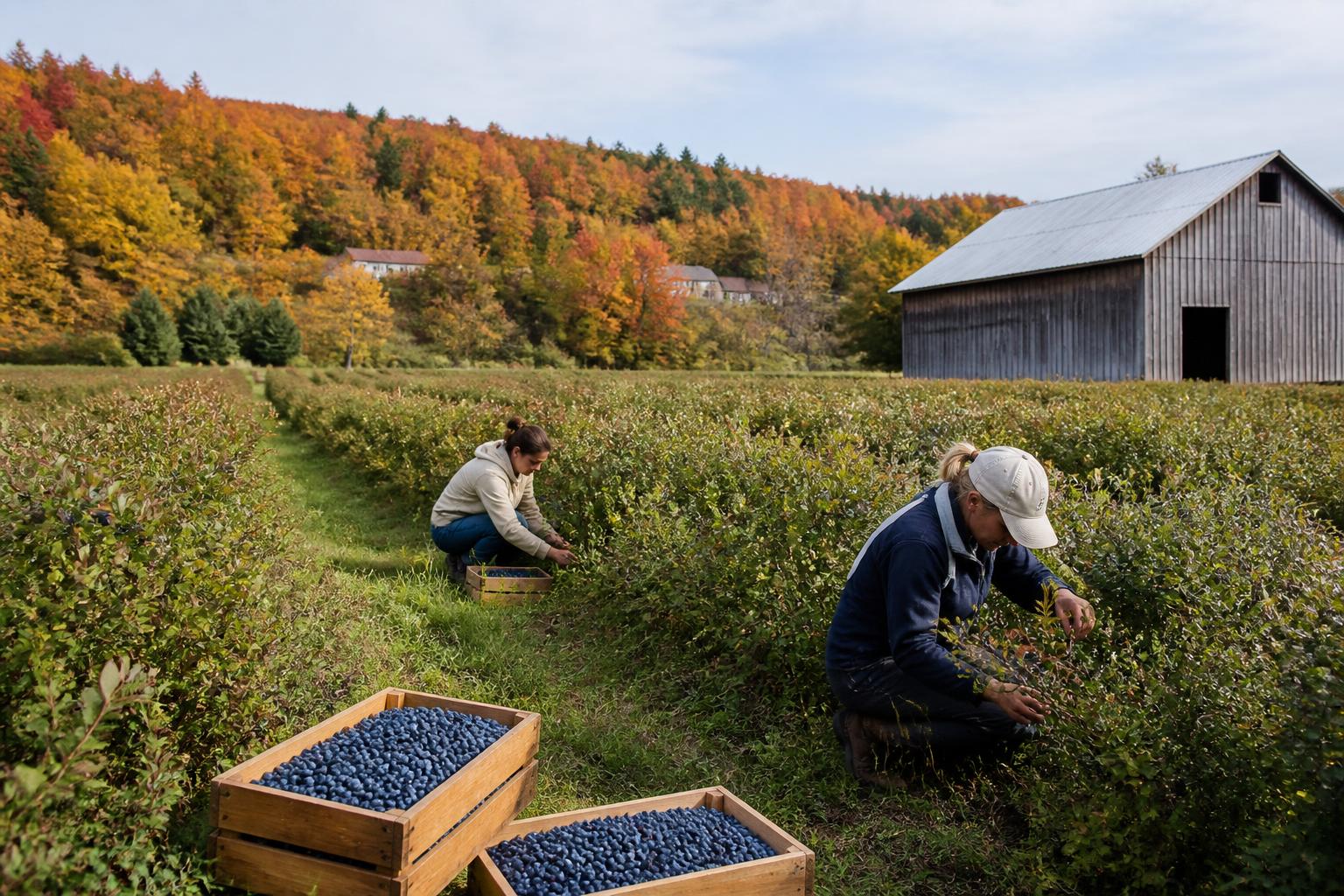
As New Hampshire heads into the heart of the fall season, the state's agricultural supply chain remains a focal point for producers and processors alike. Recent initiatives, including strategic partnerships to strengthen food supply chain infrastructure, suggest a concerted effort to enhance local distribution capabilities. For grain handlers and livestock producers, these improvements often aim to mitigate the logistical pressures that typically accompany peak harvest activity.
Infrastructure and Growth
Investment in the North Country demonstrates a commitment to scaling operations, with significant funding directed toward expanding greenhouse production capacity. These large-scale projects, while distinct from traditional field crops, influence the regional demand for transport and local input availability. As farmers evaluate their seasonal needs, the stability of these supply corridors is essential for moving specialty crops and inputs effectively across the state's diverse geography.
Managing Seasonal Logistics
Moving goods through New Hampshire often requires careful coordination, especially as seasonal traffic patterns begin to shift. The intersection of rural farm transport and regional freight needs remains a constant variable for local agribusinesses. Maintaining reliable access to processing facilities and regional distribution centers is crucial as handlers prepare for the volume of product expected in the coming months. Producers are advised to monitor local road conditions and potential logistical bottlenecks that could arise as harvest operations hit their stride.
What it means for the market
The current landscape indicates that while infrastructure developments are providing a much-needed boost to internal capacity, producers should remain agile. By keeping a close watch on regional supply chain developments and focusing on efficient coordination, New Hampshire agribusinesses can better navigate the logistical challenges of the fall season and optimize their market access.
Comments
No comments yet - be the first to share your take.