
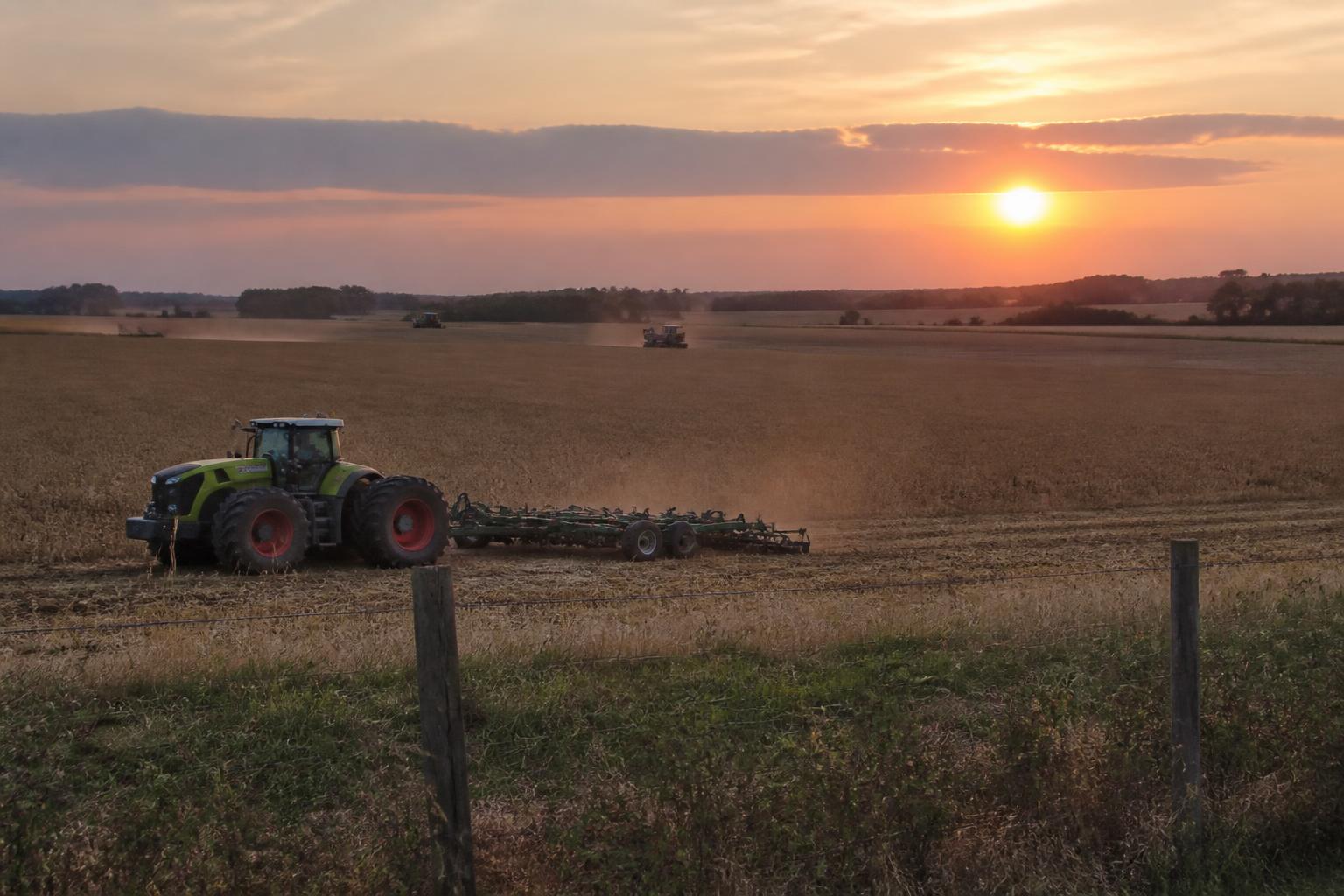
As the fall harvest season accelerates across South Dakota, producers are once again turning their attention to the structural challenges of the coming cycle. Rising input costs, particularly for fertilizers and essential crop inputs, remain a persistent headwind for many operations. Balancing these expenditure pressures against market volatility requires a disciplined approach to both procurement and resource management.
For many farm businesses in the region, the strategy often shifts toward optimizing existing infrastructure to mitigate margin compression. Whether it is through improved on-farm storage solutions or refined nutrient management, the focus is on maximizing the efficiency of every acre. Farmers are increasingly navigating market stability by staying informed on broader logistical bottlenecks that can impact both input delivery and final commodity movement.
Aligning Input Procurement with Seasonal Realities
The current market environment encourages a proactive review of supply chains. With input costs fluctuating, many producers are exploring forward-booking options or consolidating orders to better manage cash flow. This is particularly relevant as labor and energy costs influence the final price of manufactured inputs, creating a ripple effect from regional hubs all the way to the local field.
Resource Management and Future Outlook
Beyond inputs, the efficient use of equipment remains vital. As harvest intensity increases, ensuring that machinery is calibrated and staged correctly can help reduce downtime and labor stress. Strategic planning during these peak months is not merely about immediate logistics but also about positioning the operation for a more stable financial runway heading into the winter.
What it means for the market
Producers who prioritize early input planning and maintain lean, efficient logistical workflows will likely be better insulated against regional price spikes. While macroeconomic pressures remain outside of individual control, focusing on operational transparency and cost-mitigation strategies provides a essential cushion for South Dakota's diverse agribusiness sector.
Comments
No comments yet - be the first to share your take.