
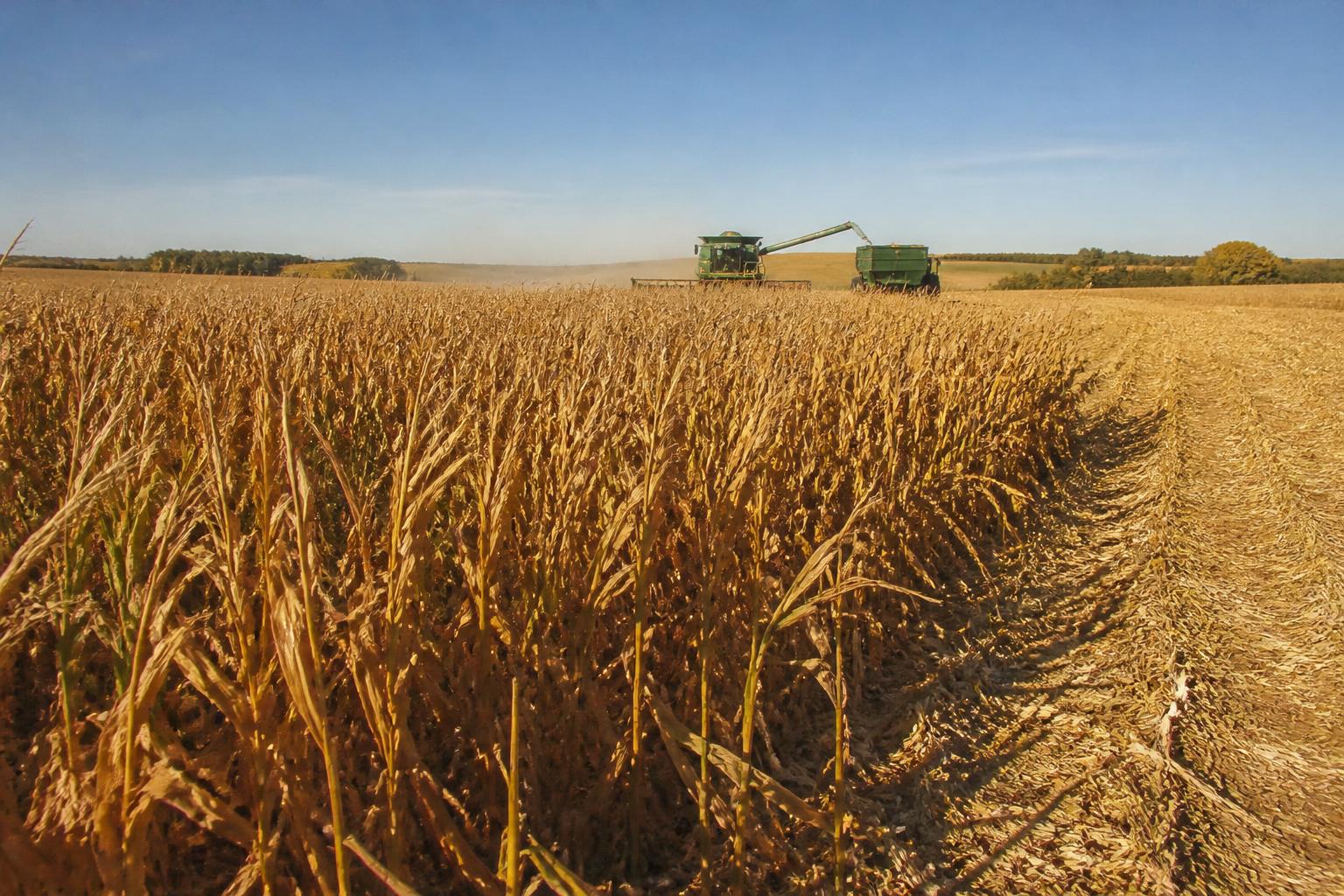
As Nebraska producers move through the final stages of the fall season, the focus is shifting toward long-term operational security and infrastructure sustainability. Recent legislative developments have introduced new protections for critical agricultural assets, aimed at safeguarding the farms and supply chains that form the backbone of the state's rural economy. These measures reflect a growing recognition of the need to protect production capacity against external threats, ensuring that Nebraska's contributions to the national market remain stable and secure.
Expanding Fertilizer Production Capacity
The state's agricultural inputs landscape is poised for a significant transformation. Recent announcements regarding substantial investments in domestic fertilizer facilities are drawing close attention from growers and supply chain managers. By localizing production, these initiatives could eventually offer relief from the volatile price swings and logistical bottlenecks that have historically plagued input procurement. For those managing tight operational margins, the prospect of more consistent local supply is a critical development for planning upcoming seasons.
Focusing on Operational Resilience
Beyond capital investments, the industry continues to prioritize the safety and efficiency of grain storage. As harvest volume settles, the emphasis on grain bin management and structural safety remains paramount. Ensuring that facilities are hardened against weather-related incidents—especially in regions that have recently faced volatile storm activity—is essential for maintaining the quality of stored inventory. This push for resilience is being supported by a renewed focus on integrating digital tools, such as those being advanced by newly launched agricultural hubs in the state, which assist producers in monitoring storage conditions more effectively.
For those navigating the current grain market environment, the intersection of enhanced infrastructure security and localized input availability suggests a shift toward a more self-reliant operational model. While the benefits of these infrastructure improvements will likely materialize over the long term, they offer a foundation for better risk management as Nebraska agriculture faces evolving economic pressures.
What it means for the market
Producers and agribusinesses should monitor the progression of announced fertilizer projects as they move toward the construction phase, as these could eventually stabilize input costs. Simultaneously, the focus on new asset protection mandates means that facility operators should stay informed on evolving safety standards and compliance requirements to ensure their infrastructure remains both secure and fully operational during peak throughput periods.
Comments
No comments yet - be the first to share your take.