
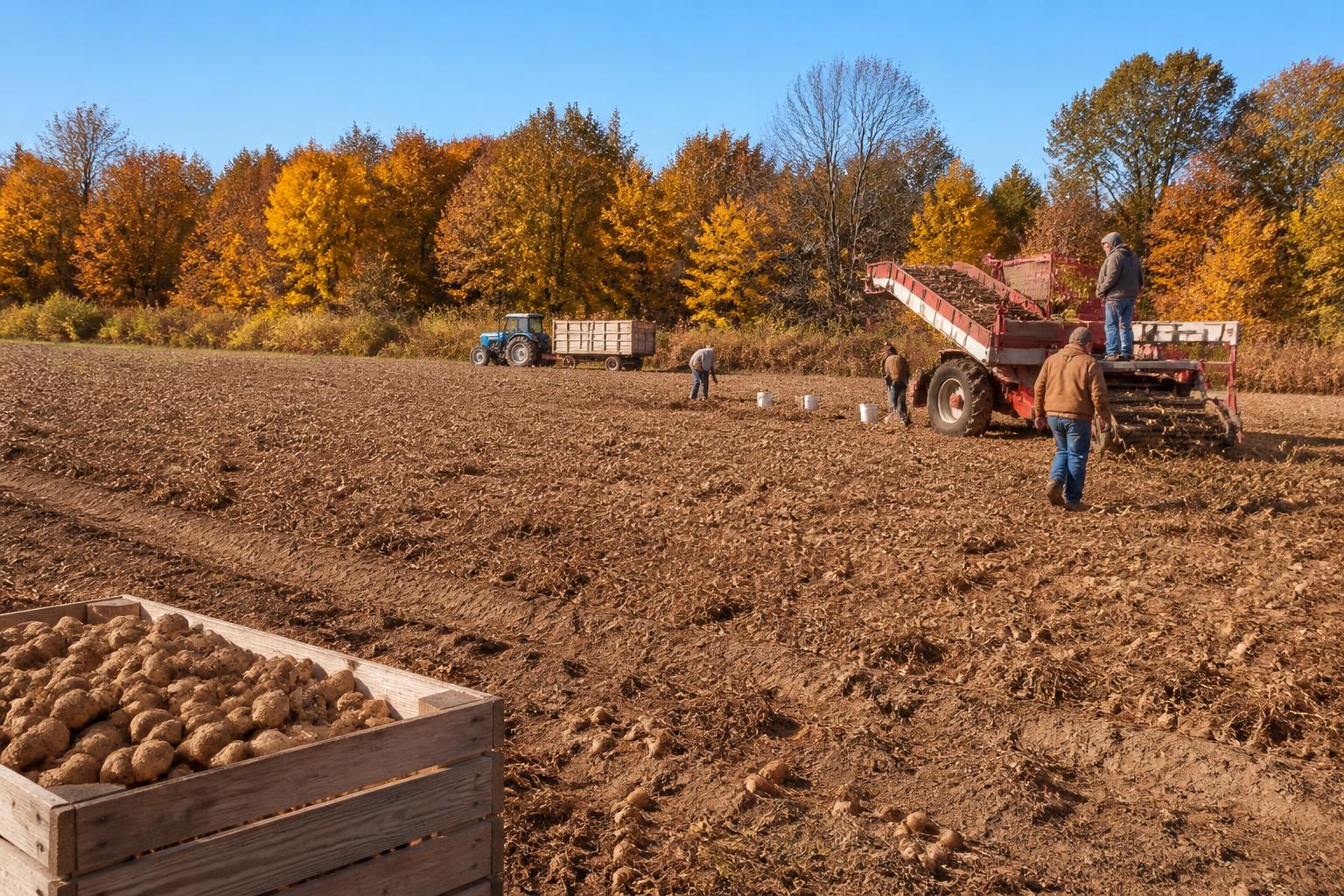
As the final stages of the fall harvest wind down in Maine, agricultural operators are turning their attention toward supply chain stability and the economic challenges inherent in the current market. With seasonal field activities nearing completion, the focus has shifted from high-intensity harvesting to the logistical realities of post-harvest storage and input procurement for the upcoming cycle.
For many producers, particularly those managing Maine's iconic potato crops and dairy operations, the primary concern remains the sustained volatility in production costs. Recent reports from regional stakeholders highlight ongoing anxieties surrounding fuel and fertilizer prices, which continue to weigh heavily on margins. These pressures are further compounded by the complexities of regional infrastructure, where seasonal load restrictions and transit timing can significantly impact the bottom line for grain handlers and farmers moving goods across the state's highway corridors.
Refining Resource Management in the Late Fall
The transition into late autumn demands a disciplined approach to asset protection and operational efficiency. Producers in regions like Aroostook and Franklin counties are often evaluating their current storage strategies to mitigate potential losses. Effective crop resilience strategies become essential during these months, as farmers look to insulate their operations from unexpected market swings or sudden changes in local logistical availability. Integrating modern digital tools for grain and commodity tracking has also emerged as a method to improve market transparency for growers who are looking to secure better contract pricing before the end of the year.
Building Operational Stability
Beyond immediate logistical concerns, the industry is increasingly focused on the long-term stewardship of farmland and the regulatory landscape. As producers navigate the protection of soil health and the integrity of regional land resources, there is a collective move toward more sustainable management practices. This shift is not only an environmental necessity but a tactical response to the evolving demands of both domestic and international markets, where consumers are placing a higher premium on transparency and sustainable production methods.
What it means for the market: The current market environment necessitates a proactive stance on cost control and supply chain management. While producers in Maine continue to face high overheads, the combination of cautious resource allocation and localized logistical optimization remains the most viable path toward maintaining competitiveness as the winter season approaches.
Comments
No comments yet - be the first to share your take.