
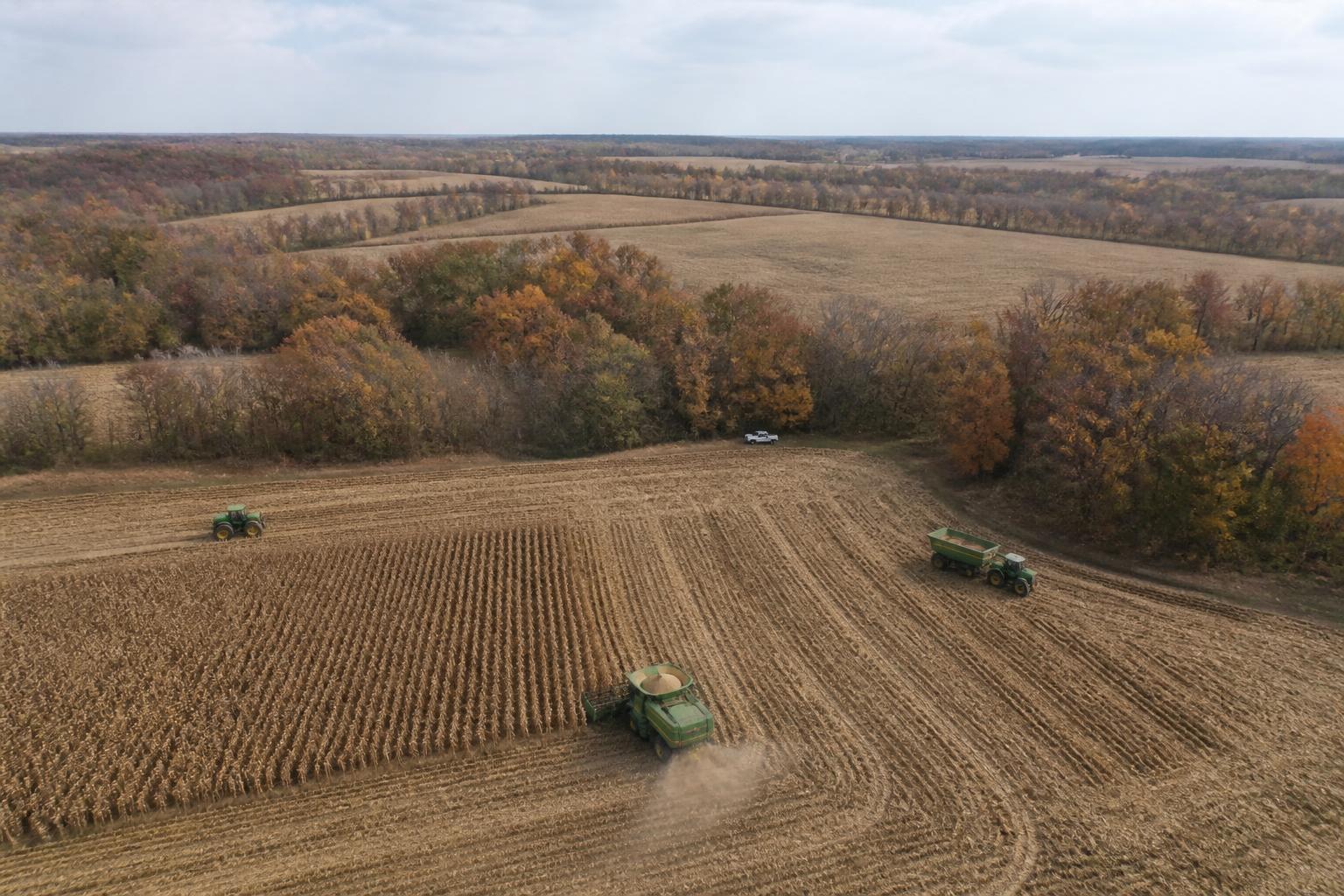
As the fall harvest progresses across Arkansas, agricultural operations are feeling the strain of a complex season. Producers are working to finalize fieldwork while managing the tightening economic realities that continue to influence planning for the next cycle. Amid these operational demands, regional attention has shifted toward long-term field health and managing persistent agronomic risks.
For many growers, securing the crop remains the priority, but it is taking place under a backdrop of evolving industry standards. Recent shifts in local conference formats, such as the move to online platforms for major regional agricultural meetings, reflect a broader trend toward digital integration in how producers access critical information on crop protection and pest management. Staying informed on these technical updates is essential as growers maintain efficiency and field resilience during the tail end of the season.
Managing Agronomic and Economic Pressures
Integrated pest management remains a cornerstone of Arkansas production. Scientists continue to explore advanced strategies to address yield-robbing threats, such as soybean cyst nematodes. Investigating methods to suppress these populations helps protect the long-term viability of high-value acreage. As producers balance their harvest pace with input cost realities, controlling these persistent pests is vital for maintaining margins in a challenging market environment.
Logistical and financial concerns also remain at the forefront. Access to reliable transportation infrastructure is a recurring focus, and investments in local workforce development, such as new trucking academies, may provide necessary support for the movement of goods in the coming months. These developments are critical for producers looking to navigate logistics in a tight supply season effectively.
What it means for the market
The convergence of fiscal pressures and technical crop protection challenges underscores the need for adaptability. For Arkansas agribusinesses, monitoring developments in supply chain efficiency and staying updated on the latest research in pest suppression will be key to navigating the remainder of the year. While uncertainties persist, proactive management in the field and staying connected to regional resources can help mitigate some of the broader economic volatility facing the agricultural sector.
Comments
No comments yet - be the first to share your take.