
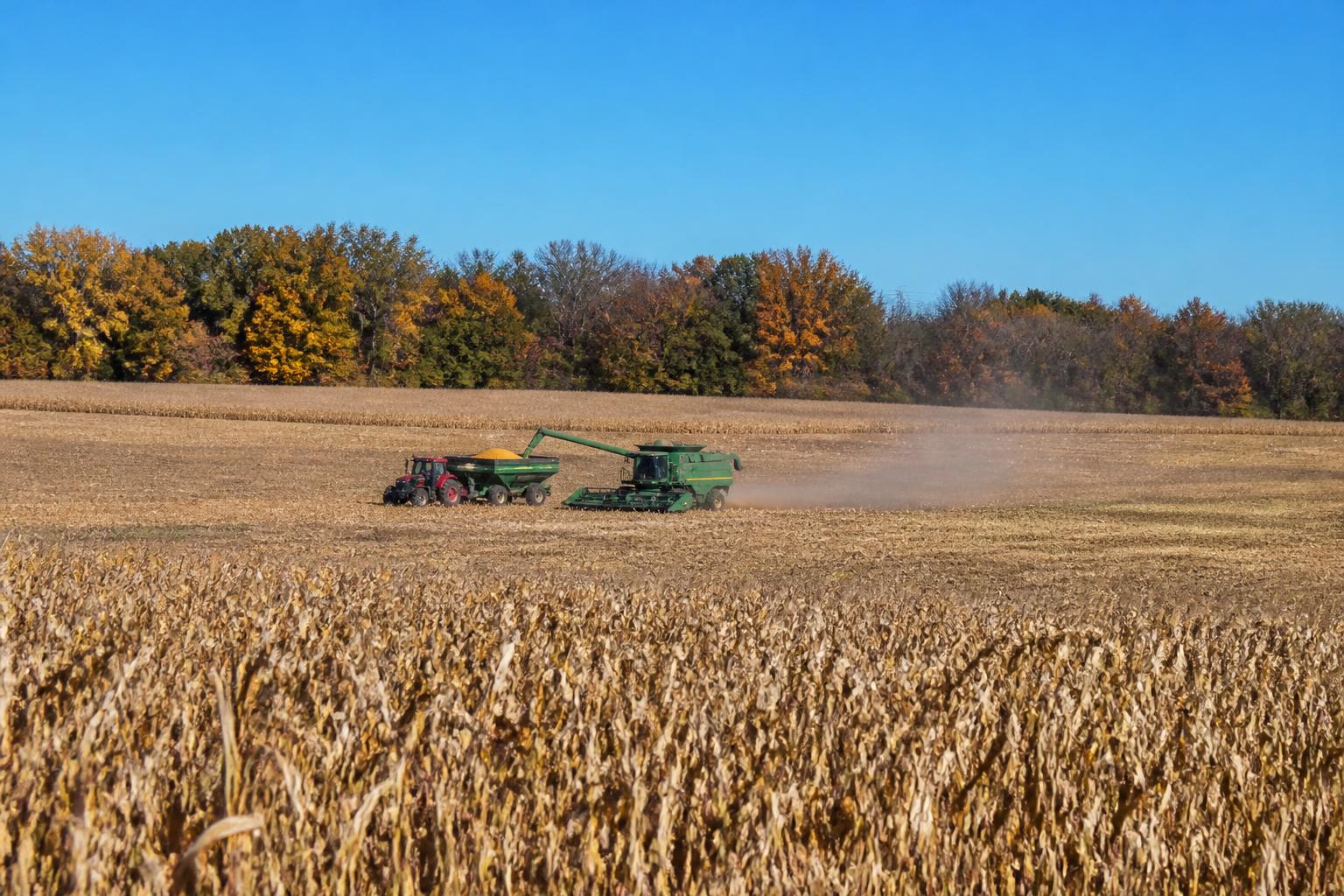
As the fall harvest season winds down across New York, producers are increasingly looking toward long-term strategies to buffer against market volatility and production challenges. While traditional safety nets remain a critical component for regional operations, recent developments in both crop protection technologies and creative land-use strategies are providing new options for growers seeking to stabilize their bottom lines.
For many across the state, the shift toward advanced biological inputs is becoming more prominent in field management. These emerging products, often focused on enhancing plant health and resilience, are gaining traction as farmers look for sustainable alternatives to manage localized pest and disease pressures. Integrating these biologicals can be an effective way to supplement existing integrated pest management (IPM) practices, which remain a cornerstone of managing emerging weed pressures and conservation investments in New York agriculture.
Adapting Land Use to Modern Demands
Beyond inputs, the physical landscape of New York farming is seeing new interest in agrivoltaics. Research, particularly from institutions like Cornell, is evaluating the potential of co-locating solar panels with crop production. This approach may provide landowners with a diversified income stream while maintaining the land's agricultural utility. As the industry evolves, finding the right balance between energy initiatives and production will be key for maintaining New York land preservation efforts for future generations.
Navigating Economic Headwinds
The current agricultural climate remains sensitive to global market shifts and input cost fluctuations. As producers prepare for the off-season, many are weighing their options for input procurement and resource allocation. Staying informed on logistics remains a vital task, especially as farmers navigate the complex fall logistical pressures and supply chain shifts that often influence regional profitability during the transition into winter.
What it means for the market
The integration of new biologicals and dual-purpose land use represents a shift toward more resilient farm management. For agribusinesses and farmers alike, the ability to adapt to these technical and structural changes will likely define competitive success in the coming year. As always, keeping a close eye on both field-level innovation and macro-level logistical trends will be essential for navigating the changing market landscape.
Comments
No comments yet - be the first to share your take.