
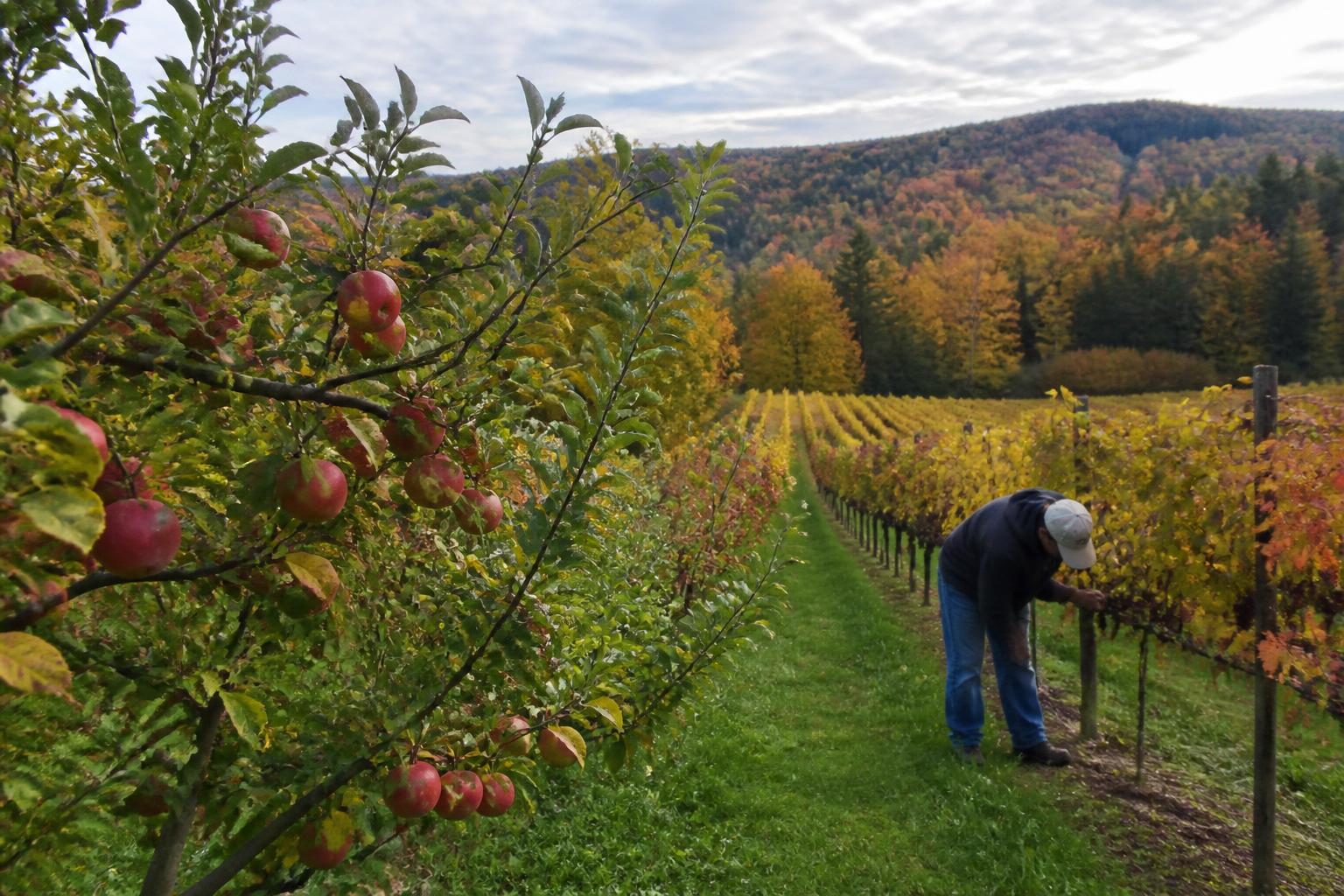
In the rolling hills of West Virginia, the agricultural landscape remains a complex tapestry of traditional production and modern adaptation. Farmers across the state are carefully weighing their operational futures, with many looking beyond the next harvest to ensure their land remains both productive and protected. This transition comes as the region continues to address shifts in both regulatory frameworks and broader market dynamics that influence how land is managed and utilized.
Securing Agricultural Heritage
The commitment to land preservation continues to be a cornerstone for many regional farm families. Recent efforts have highlighted the importance of placing historic properties under permanent protection agreements, ensuring that high-quality soil remains dedicated to farming rather than fragmentation. For many producers, these protective measures serve as a strategic hedge against regional development pressures, allowing them to invest in infrastructure improvements with the confidence that the agricultural footprint is stable.
Operational Resilience in a Changing Market
Market volatility remains a constant factor for West Virginia producers, particularly in the specialty crop and livestock sectors. Growers are increasingly evaluating their crop mix, often exploring high-value alternatives that align with local soil conditions and consumer trends. Furthermore, the interplay between agricultural land use and regional energy developments continues to be a point of analysis, as property owners assess how to best balance resource access with the fundamental goal of sustaining a viable farm business.
Adapting to Environmental Realities
Logistics and resource management are also evolving as farmers adapt to weather patterns and regulatory guidelines. Whether managing water quality near wetlands or participating in state-led environmental monitoring initiatives, agricultural operators are demonstrating a high degree of adaptability. This proactive stance is essential for maintaining the operational flexibility required to manage assets effectively, whether that involves livestock protection or navigating the seasonal requirements of harvest in mountainous terrain.
What it means for the market
For the broader agribusiness community in West Virginia, these trends signal a shift toward more intentional, long-term asset management. Producers prioritizing land security and environmental compliance are often better positioned to weather seasonal volatility. As the market moves deeper into the fall season, agribusinesses and service providers should note that efficiency, coupled with a focus on sustainable land use, remains the most viable path forward for securing a stable footing in the state's diverse agricultural economy.
Comments
No comments yet - be the first to share your take.