
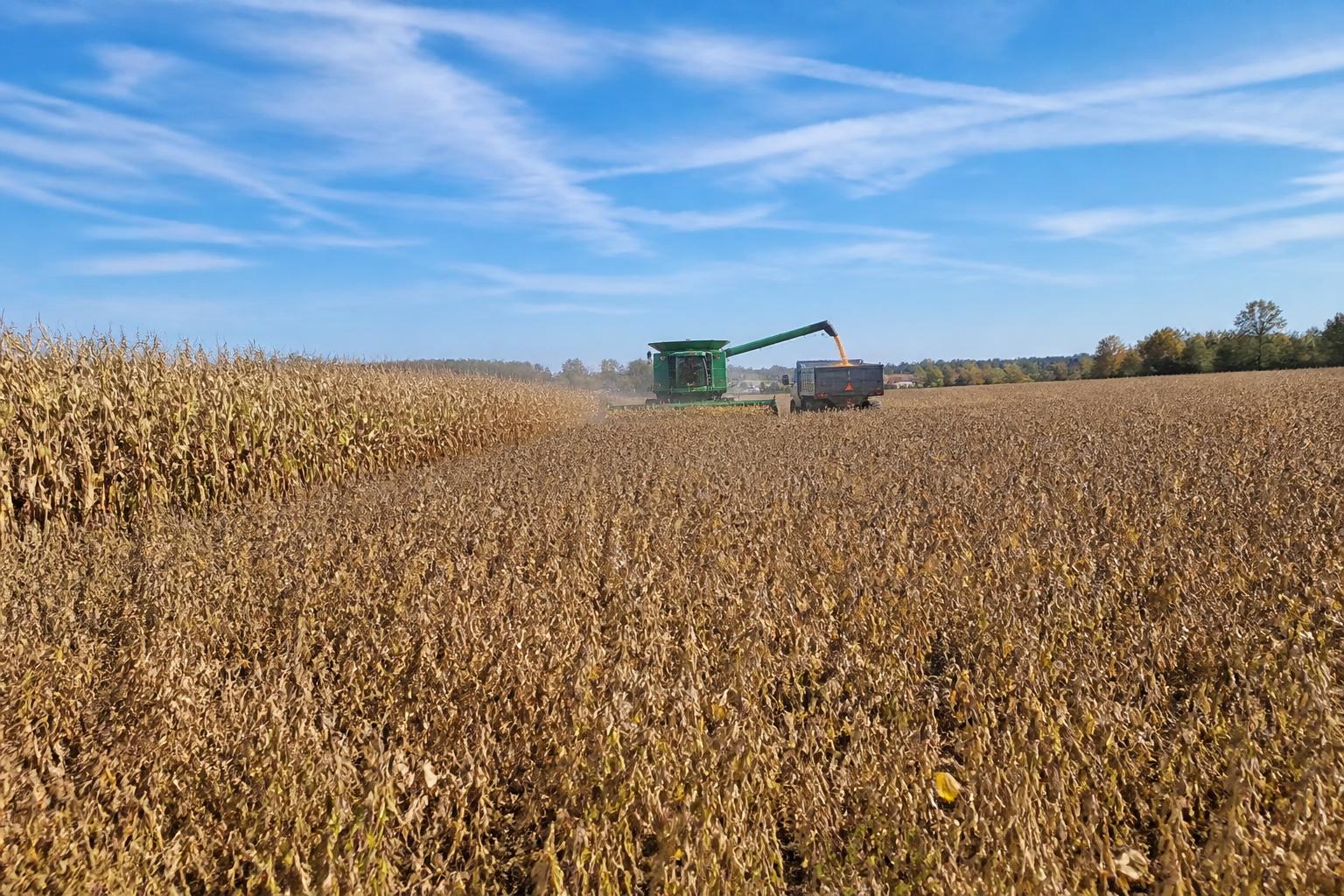
As Wisconsin agriculture heads deeper into the fall harvest season, producers are facing a complex set of operational challenges. While the focus remains on field conditions and equipment readiness, the widespread identification of tar spot in 28 counties has added a significant layer of risk to yield projections. This fungal pathogen can move quickly, forcing farmers to make difficult decisions regarding harvest timing to prevent further grain degradation.
For many operations, the primary goal is minimizing losses while navigating harvest preparations in Wisconsin. The timing of the combine's entry into the field is critical this year; delaying to allow for natural dry-down may increase the risk of stalk integrity issues linked to lingering disease presence. Field monitoring remains essential as moisture levels fluctuate across different growing regions of the state.
Logistical Considerations for the Fall Cycle
Beyond the immediate threat of disease, grain handlers and logistics providers are keeping a close watch on regional transportation capacity. The combination of seasonal demand and the potential for uneven field maturity across the Midwest necessitates proactive scheduling for grain transport and storage. With some freight carriers experiencing recent financial instability, ensuring that movement contracts are secure and reliable is a priority for agribusinesses coordinating the delivery of this year's output.
Input Stability and Regulatory Pressures
The broader agricultural landscape remains sensitive to policy shifts, including ongoing debates surrounding farm inputs and trade. While farmers work to mitigate the impact of external price volatility on their bottom line, local discussions continue to focus on sustainable land management and the long-term outlook for crop variety. Balancing these pressures requires a disciplined approach to input purchasing and a keen awareness of how federal oversight may influence regional access to necessary farm supplies.
What it means for the market
Producers should prioritize early testing of grain moisture and monitor stalks closely in affected areas. With the harvest window narrowing, maintaining tight communication with local elevators regarding intake capacity and drying schedules is vital. Agribusinesses should prepare for a potentially compressed delivery timeline, as farmers look to move grain quickly to avoid further field-related risks.
Comments
No comments yet - be the first to share your take.