
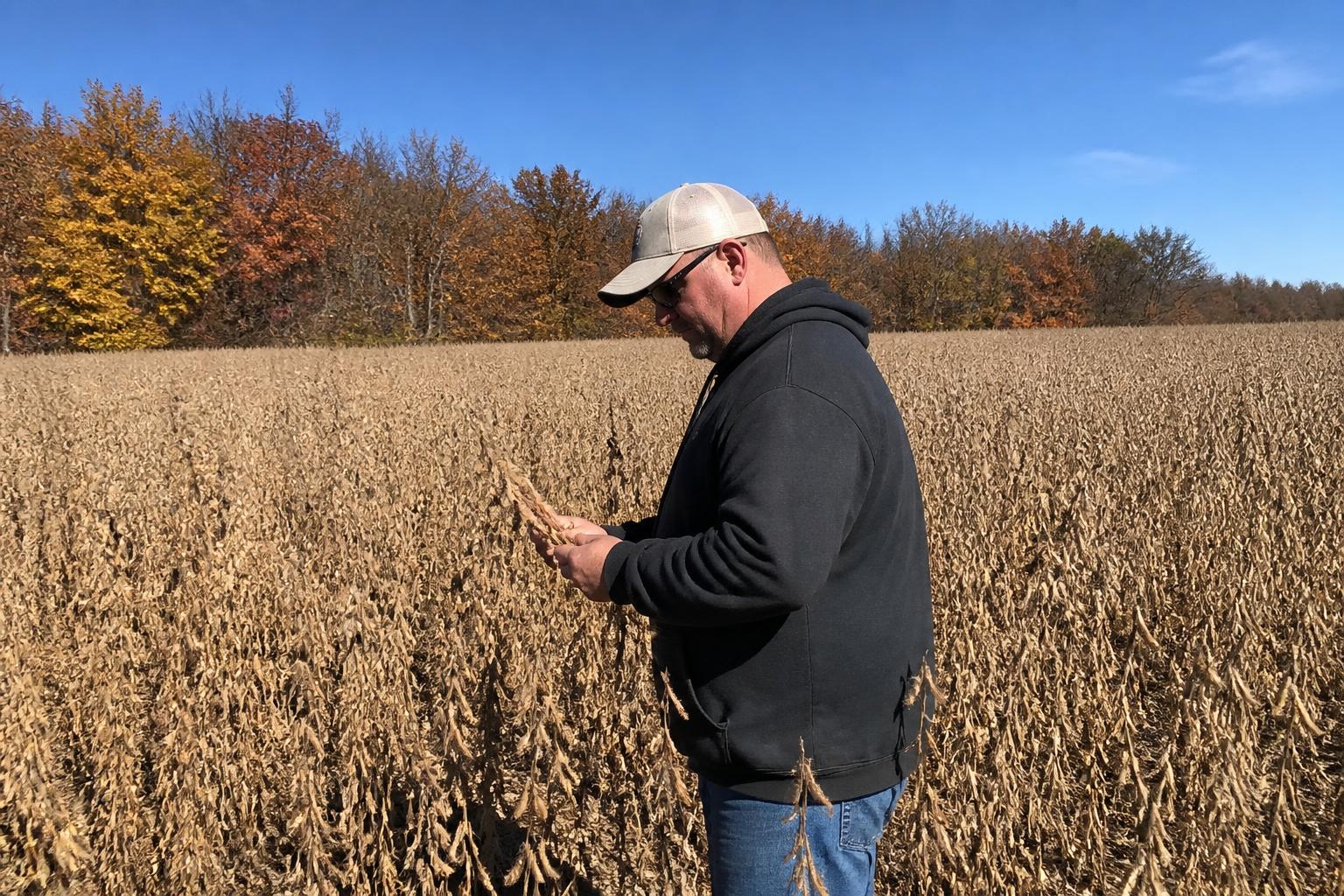
With the calendar turning toward the peak of the fall season, Illinois farmers across regions from the rolling hills of the north to the fertile southern plains are entering a critical harvest window. While producers work to finalize preparations for grain movement, the broader market environment remains strained by ongoing logistical hurdles and macroeconomic uncertainty.
Operational efficiency this season will likely hinge on proactive communication with local elevators and transport partners. Low water levels on key river corridors have frequently disrupted agricultural supply chains in the past, often forcing growers to navigate higher freight costs or find alternative storage solutions when export pace slows. For those managing grain storage, staying ahead of potential margin pressures and fluctuating energy costs remains a top priority during these busy weeks.
Input Market Volatility and Long-Term Strategy
The input landscape continues to shift as producers evaluate long-term financial resilience. Recent developments in agricultural policy and ongoing industry consolidation have complicated decision-making for those purchasing fertilizers and crop protection products. Growers are encouraged to weigh these external factors against their individual farm financial health as they look toward the next planting cycle.
Furthermore, regional efforts to promote climate-smart practices are expanding across the state. These programs often provide producers with new avenues to offset costs, though participants should carefully review the specific requirements and potential impacts on their current operations.
What it means for the market
In the near term, the focus remains squarely on the harvest yield and the ability to move grain efficiently despite infrastructure limitations. Producers should expect continued volatility in input pricing and market access, necessitating a disciplined approach to risk management. Successfully navigating this season requires a balance of short-term logistics coordination and long-term financial planning to maintain stability in a rapidly evolving agricultural economy.
Comments
No comments yet - be the first to share your take.