
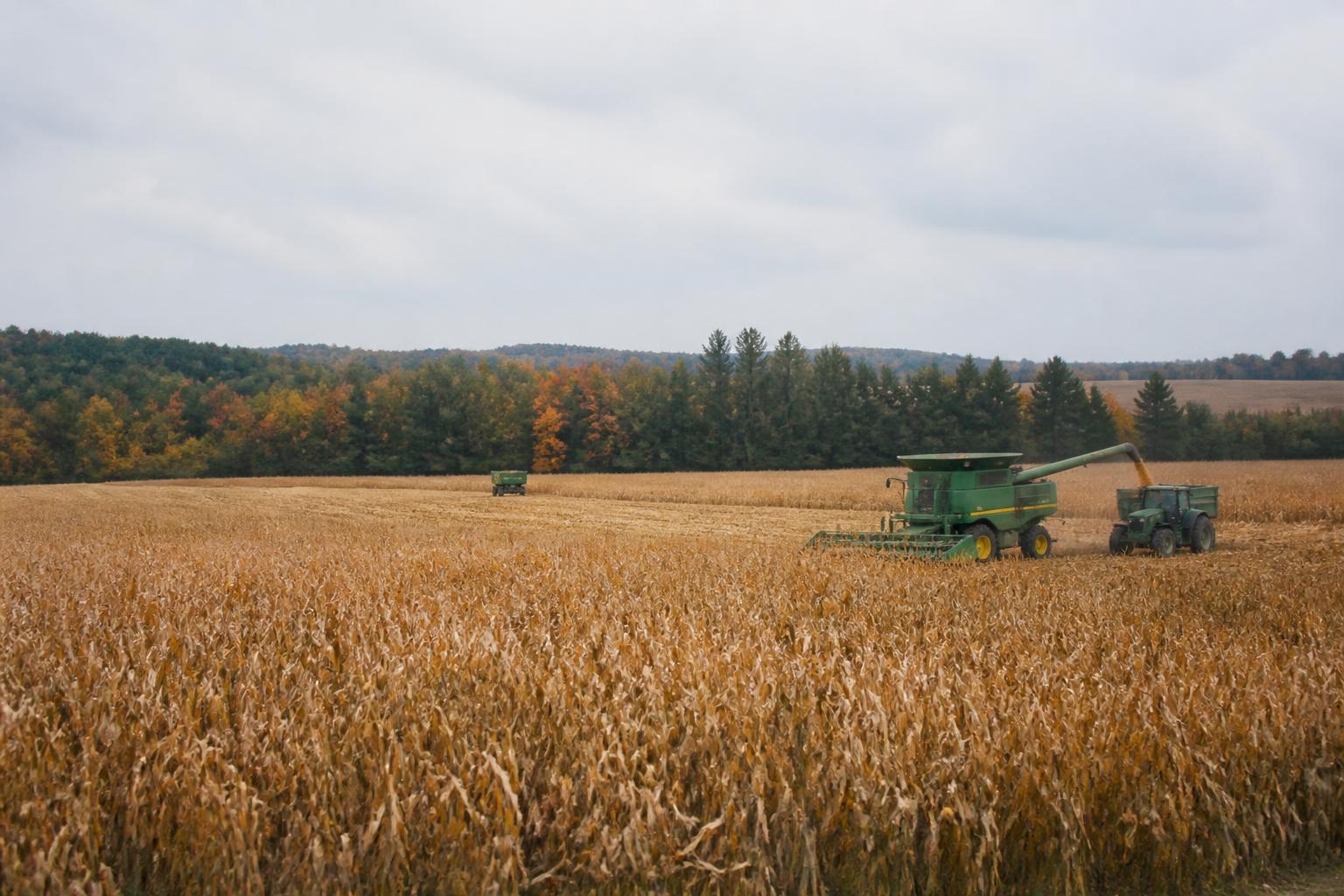
As the fall season takes hold across Massachusetts, local producers are facing a complex economic landscape. The current environment is marked by tightening margins and increased scrutiny on long-term sustainability for smaller operations. For growers and agribusinesses across the state, from the fertile Connecticut River Valley to the coastal agricultural pockets, prioritizing operational efficiency has become a critical hedge against broader market instability.
With harvest activities moving into full swing, the challenge remains in balancing rising costs with stable yields. Producers are looking closely at how to optimize storage and logistical throughput to minimize waste, a necessary step given that the math for many traditional farm models in the region is increasingly under pressure.
Refining Input Strategies
Resource management is a focal point for many operators as we move through the harvest window. Whether dealing with soil health mandates or managing the procurement of essential inputs, the emphasis is on precision. For those in the vegetable sector, maintaining high quality while navigating labor and supply chain variables remains vital. Strategies focused on sustainable protection methods and efficient distribution can offer a buffer against external price volatility, as discussed in our recent look at managing input costs and resource protection in Massachusetts.
Logistical and Storage Preparedness
Logistics often dictate the success of the season for grain handlers and producers alike. As storage facilities fill, maintaining effective climate control and moisture management is the difference between a high-grade product and lost revenue. Proactive management of these assets is especially critical as we head toward the colder months, where grain quality preservation becomes harder to maintain. For more on the technical side of balancing these storage demands, see our guide on fall grain readiness and logistics.
The Long-Term Outlook
Sustainability in Massachusetts farming is currently a balancing act between tradition and modern economic necessity. As state reports suggest, the viability of many local farms depends on adopting new efficiencies that allow for competitive positioning in a market often swayed by global supply chain fluctuations. Ensuring that farms can bridge the gap between seasonal production and long-term solvency remains the core objective for operators heading into the final quarter. For further context on regional market trends, producers may find utility in our report on assessing supply stability and storage.
What it means for the market: Massachusetts producers are currently in a period of necessary recalibration. By doubling down on storage efficiency and careful input procurement, farms are better positioned to protect their bottom lines against an unpredictable national economy. The key is to treat operational agility as a primary asset throughout the remainder of this harvest season.
Comments
No comments yet - be the first to share your take.