
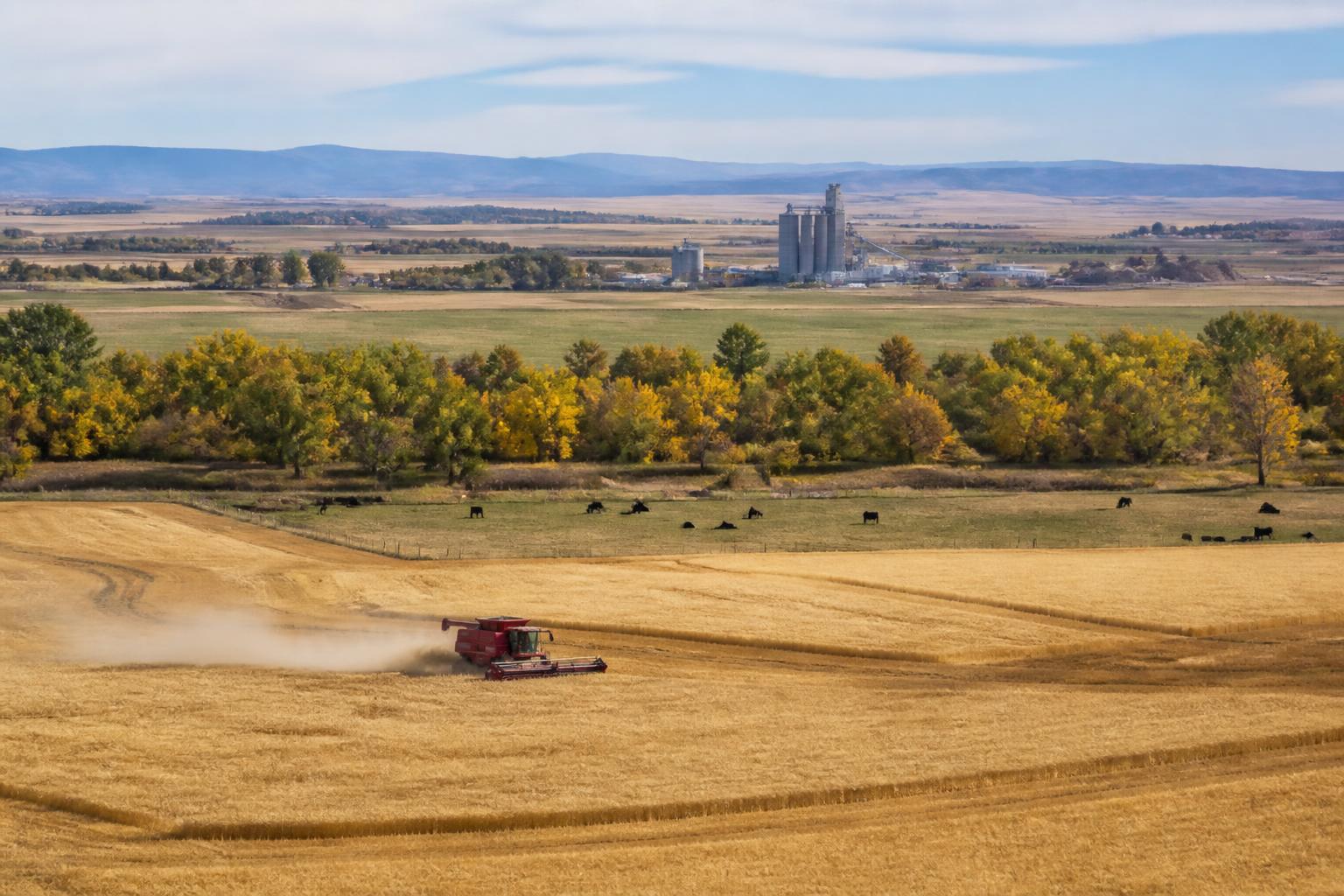
With harvest operations intensifying across Montana this September, the agricultural sector is shifting its focus toward long-term input security. Recent announcements regarding federal efforts to bolster domestic fertilizer production are drawing attention from regional stakeholders, as many look for ways to stabilize input costs amid shifting global market conditions.
For producers managing operations near grain transit corridors or livestock hubs, securing reliable supply chains remains a top priority. As outlined in our guide on assessing regional fertilizer requirements, timing your procurement to align with local storage capacity and seasonal logistical constraints can be a vital strategy for mitigating price volatility. Ensuring that input needs are met ahead of potential late-season transit bottlenecks is often a standard practice for many elevators and large-scale operations in the state.
Navigating the Regulatory and Operational Landscape
Beyond inputs, the broader legislative and environmental landscape continues to influence day-to-day operations. Conversations surrounding federal grazing policies and updated land-use proposals remain at the forefront of local agricultural discourse. For those operating on federal lands or managing integrated crop-livestock systems, staying informed on current regulatory shifts is essential to maintaining operational continuity throughout the fall months.
The emphasis on domestic infrastructure development mirrors a broader trend toward regional self-sufficiency in the agricultural supply chain. While these large-scale shifts take time to materialize on the farm level, the current focus on domestic capacity may provide a more stable foundation for producers in the years to come.
What it means for the market
For Montana farmers and agribusinesses, the current environment necessitates a proactive approach to input procurement and long-term planning. By monitoring federal investment outcomes and local infrastructure developments, producers can better position themselves against potential disruptions. Keeping a close eye on regional supply trends will remain critical as the industry transitions from the intensity of the fall harvest into the winter planning cycle.
Comments
No comments yet - be the first to share your take.