
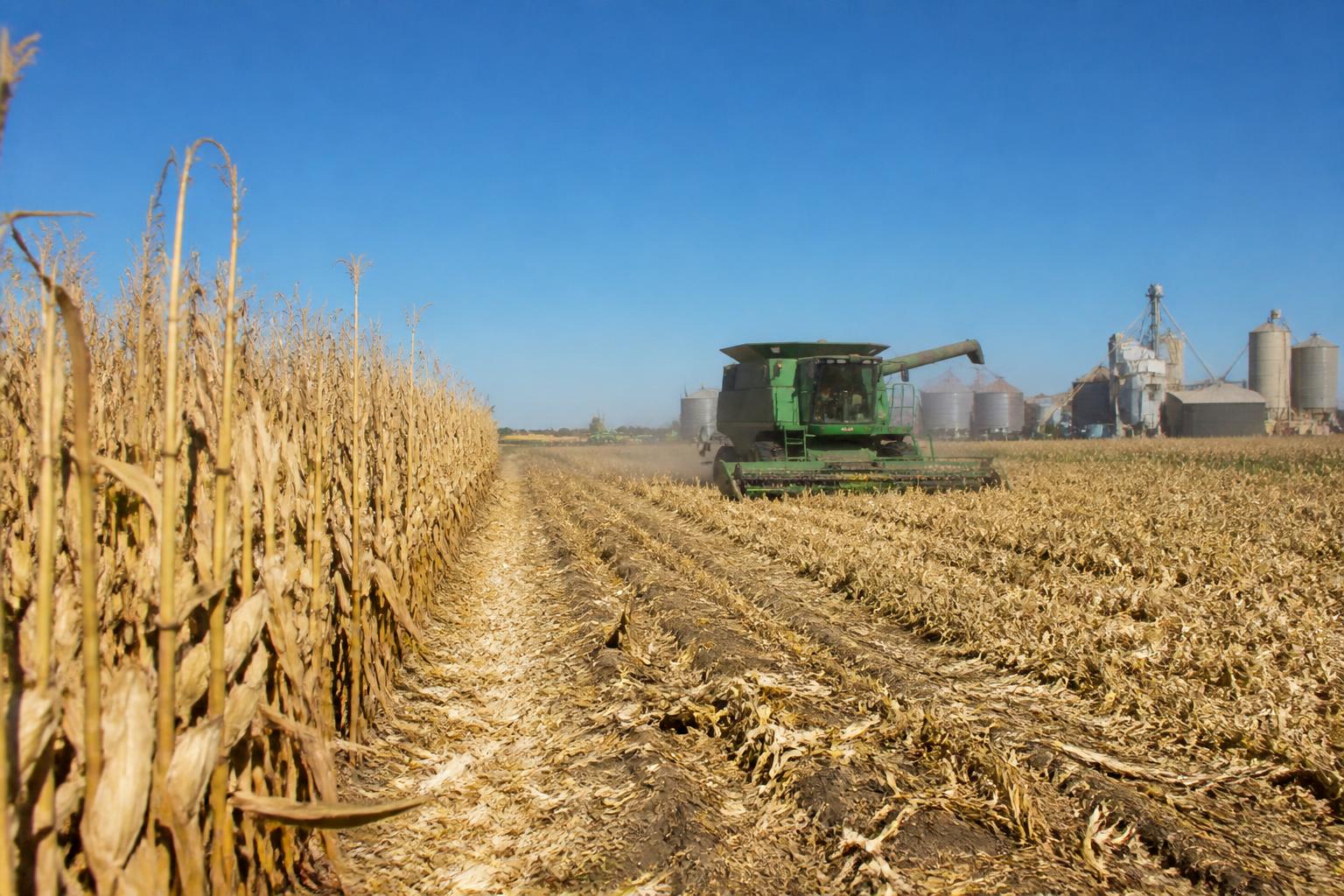
Oklahoma producers are entering the fall season under a landscape defined by elevated input volatility. Recent geopolitical instability has introduced significant pressure on essential operational costs, specifically for fertilizer and fuel. As regional farms prepare for upcoming cycles, these financial burdens are forcing many to reconsider their resource allocation and search for cost-effective alternatives to maintain productivity.
Effectively managing market uncertainty remains a top priority for agribusinesses across the state. Producers are increasingly relying on detailed cost-of-production forecasts to guide their marketing strategies. By closely monitoring supply chain fluctuations and regional price trends, operators are better positioned to protect their bottom line despite the broader economic headwinds currently affecting the agricultural sector.
Adapting to Operational Challenges
Beyond price volatility, Oklahoma operations must also contend with recurring environmental and logistical hurdles. Whether facing the aftermath of severe storms or addressing long-term resource management, the resiliency of the state's agricultural infrastructure is often tested. Implementing robust, proactive grain marketing plans can act as a buffer against these unpredictable variables, allowing for more precise financial planning.
Precision technology continues to play a vital role in optimizing field inputs. Many producers are exploring advanced spraying equipment and data-driven soil management to reduce waste and improve efficiency in drier conditions. These investments are becoming standard practice for those looking to maximize yields while keeping overhead expenditures under strict control.
What it means for the market
For Oklahoma farmers and grain handlers, the focus for the remainder of the year is on margin protection. As supply chains remain sensitive to international developments, liquidity and conservative risk management will be essential. By staying informed on legislative developments and utilizing regional Extension resources, producers can navigate this complex environment with greater confidence, ensuring their operations remain sustainable through the end of the harvest season.
Comments
No comments yet - be the first to share your take.