
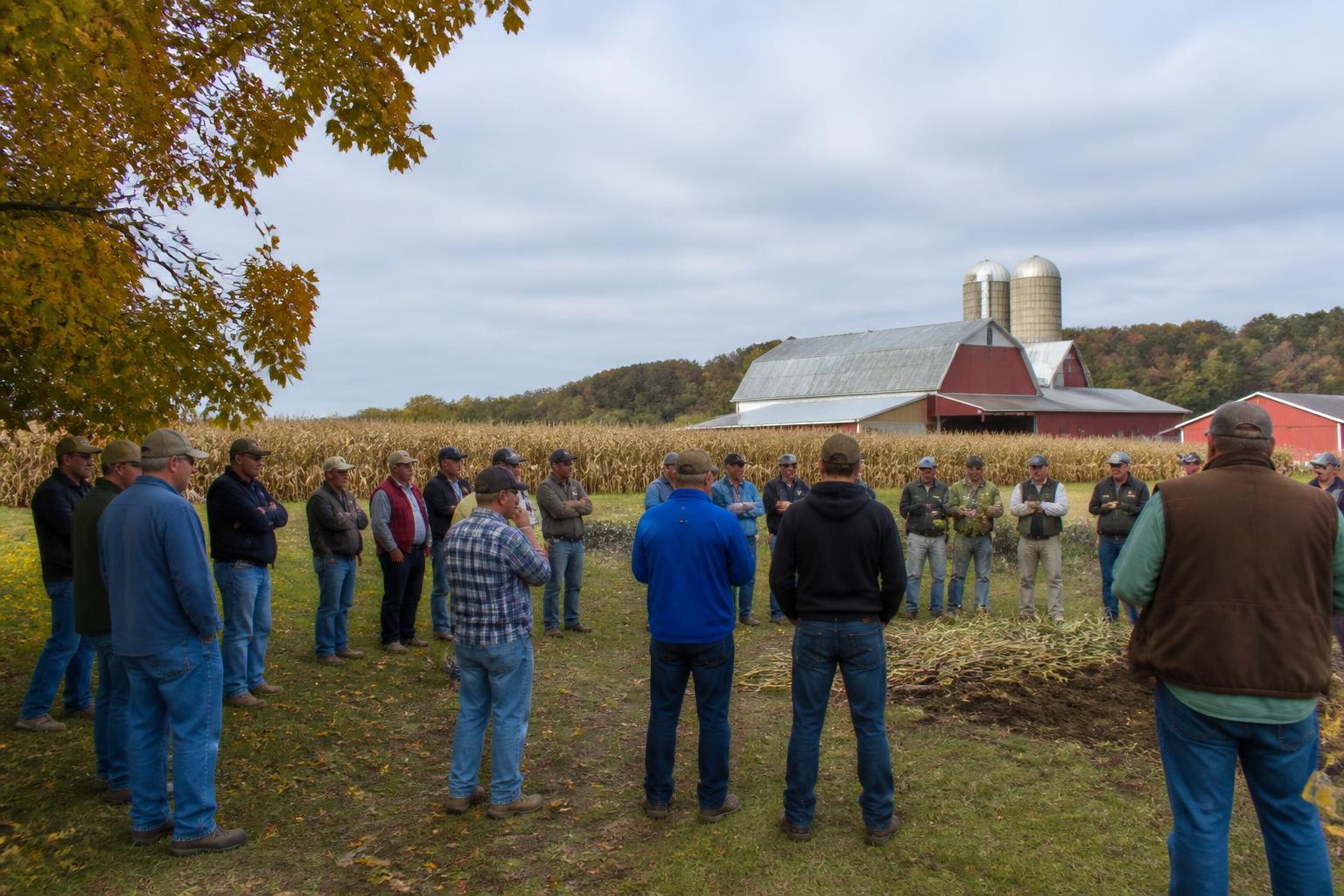
With the fall season in full swing across Ohio, producers are recalibrating their nutrient management strategies to ensure long-term soil health while keeping input costs in check. The balance between maintaining robust crop yields and preventing the over-application of fertilizers has become a primary focus for many operations looking to optimize their nitrogen strategies as fall field work progresses.
The Economics of Precision Application
Finding the right nitrogen rate is more than a technical requirement; it is a vital economic decision. For many growers in regions like Western Ohio, navigating volatile input markets requires a disciplined approach. Ensuring that application rates align with soil test results and actual crop needs can help prevent unnecessary expenditures, especially when managing variability across different field conditions.
Soil Health and Long-Term Efficiency
Beyond immediate yield goals, there is an increasing emphasis on sustainable land management. No-till practices and advanced drainage design continue to be effective tools for Ohio farmers aiming to preserve soil structure and mitigate the impacts of unpredictable weather patterns. These management decisions not only support the bottom line by reducing erosion and runoff but also prepare fields for a more resilient, high-performing future.
What it means for the market
For grain handlers and agribusinesses, the current focus on input efficiency suggests a shift toward more consultative service models. As farmers prioritize data-backed decision-making for their fall applications, the demand for precision tools, soil testing services, and tailored fertilizer blends is likely to remain steady. Keeping a pulse on these regional management trends is essential for those involved in the supply chain to effectively support the local agricultural community.
Comments
No comments yet - be the first to share your take.