
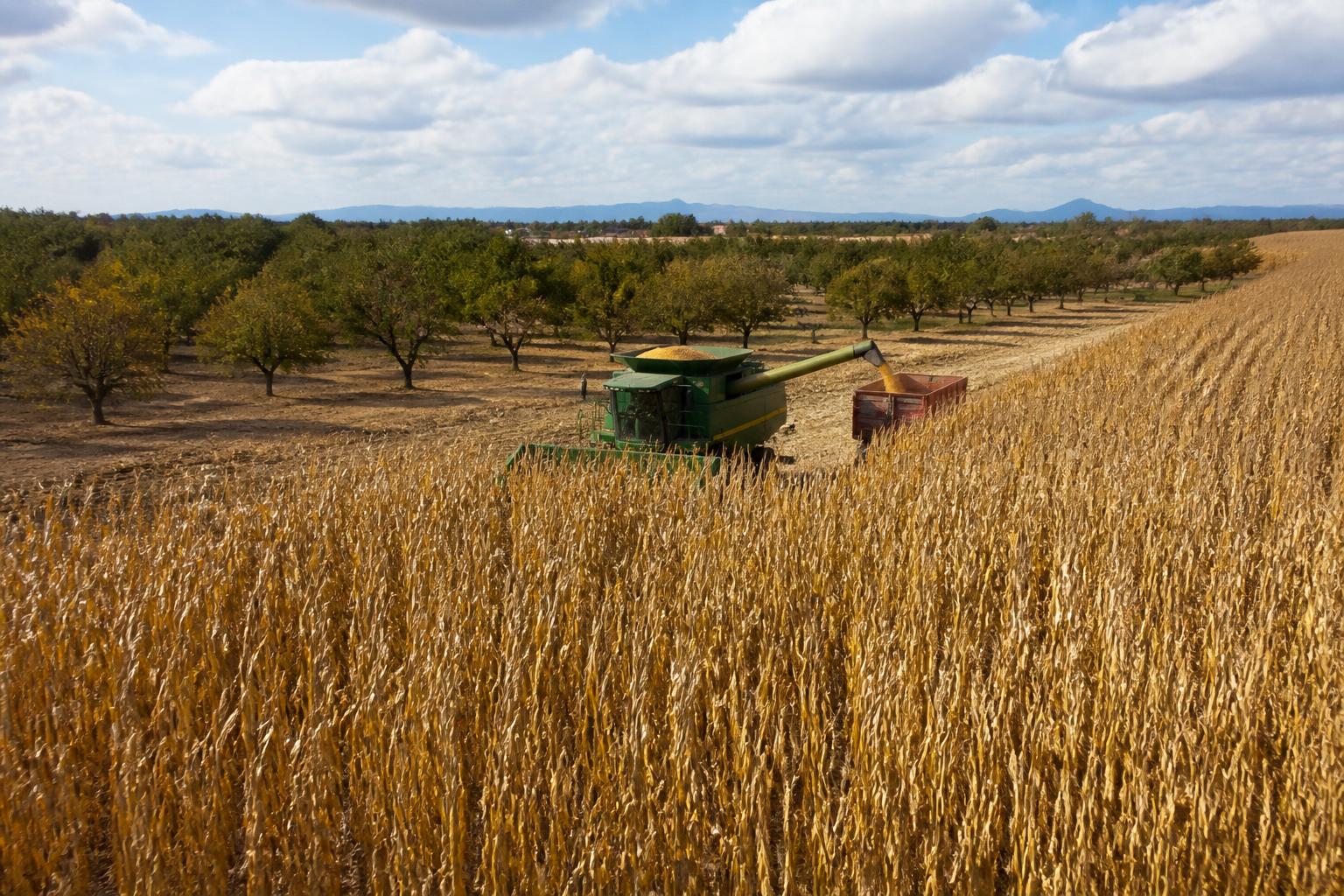
As we move deeper into the fall season, New Mexico producers and logistics operators are balancing the demands of harvest with increasingly complex regional transport challenges. The intersection of routine infrastructure maintenance and unexpected road closures can create significant friction in the supply chain, particularly for those moving commodities through critical transit corridors in the southern part of the state.
Maintaining an efficient flow of goods requires staying informed on local traffic advisories. Roadblocks and closures, whether related to local infrastructure projects or sudden accidents near major gaps, can delay time-sensitive deliveries of inputs and harvested goods. For those managing livestock transport across state lines, these logistical hurdles are compounded by ongoing requirements for strict biosecurity and compliance.
Cross-Border Market Flux
The broader agricultural landscape is currently responding to shifting international trade policies that influence both grain and livestock sectors. Recent federal signals regarding the importation of cattle from Mexico have created ripples in regional market expectations, forcing producers to recalibrate their outlook for the remainder of the year. These policy changes often necessitate a tighter focus on protecting herd health, as market conditions tighten and regulatory scrutiny intensifies.
Furthermore, the volatility in global grain markets and ongoing debates regarding fair pricing systems for staple crops like white corn highlight the interconnected nature of the regional economy. Growers and handlers are keeping a close watch on how these international shifts might impact domestic supply chains, especially when combined with the cost pressures seen in agricultural inputs like fertilizers.
Strategic Planning for Fall Logistics
Beyond the immediate market concerns, operational efficiency remains the primary lever for profitability. Producers in the state are increasingly experimenting with land-use efficiency, such as adjusting tree spacing in pecan orchards to optimize yield, reflecting a broader trend toward modernization to counter rising operational costs. Success this season will likely depend on the ability to integrate these innovative production techniques with a disciplined approach to local logistics and risk management.
What it means for the market
For New Mexico agribusinesses, the current climate demands a proactive approach to supply chain management. By planning for potential transit delays and staying responsive to changes in trade regulations, operators can better protect their margins. Monitoring regional road alerts and maintaining rigorous compliance standards will remain essential as the fall harvest progresses and market dynamics continue to evolve.
Comments
No comments yet - be the first to share your take.