
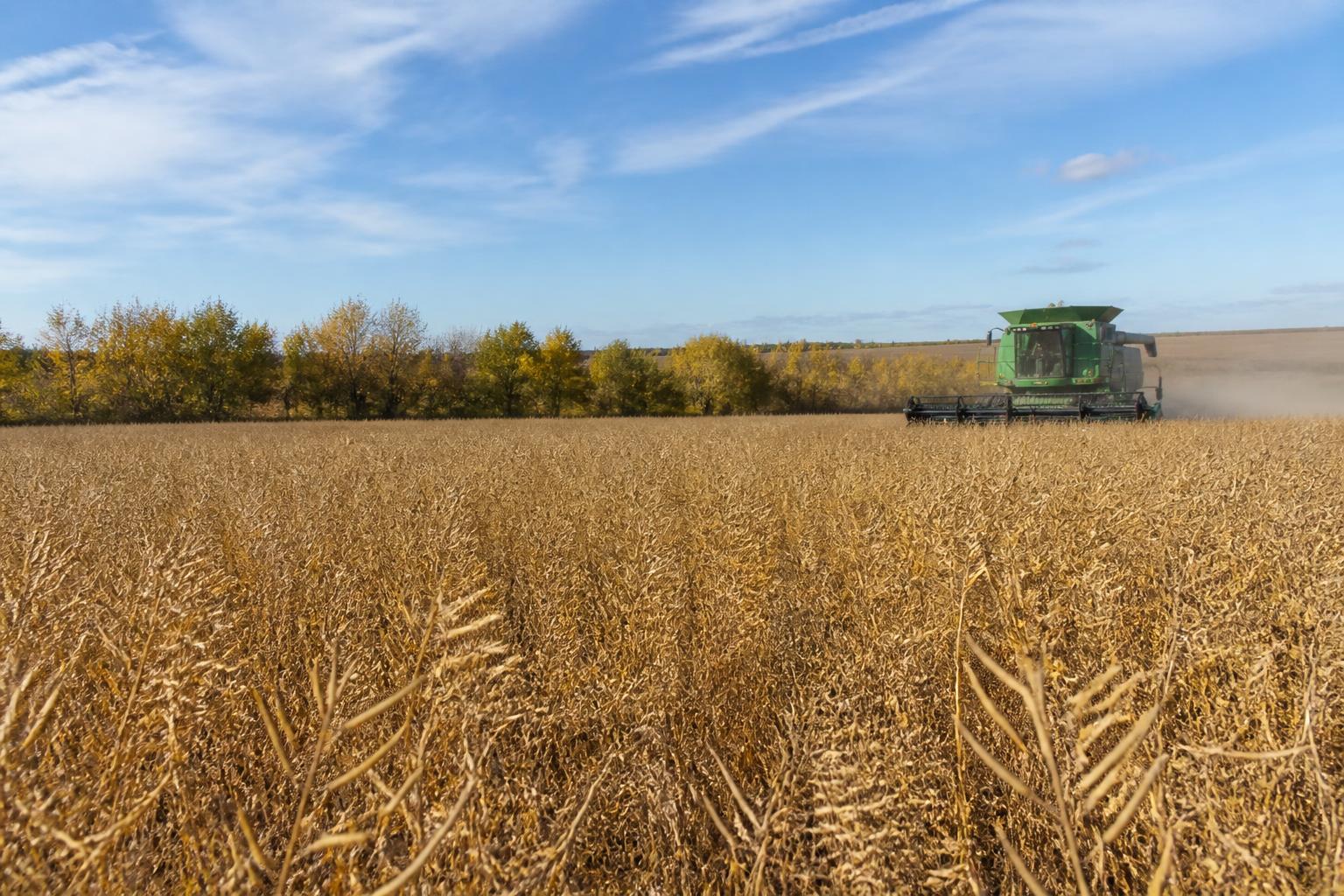
With the Alabama harvest season now in full swing, agricultural producers across the state are shifting their focus from field production to the critical task of moving grain and produce to local terminals. As the pace of regional transport accelerates, maintaining efficiency throughout the logistics chain is becoming a primary objective for farm managers and grain handlers alike.
For those operating in key regions like the Tennessee Valley or the Black Belt, current transport conditions highlight the importance of proactive planning. Whether you are managing your own fleet or coordinating with external carriers, understanding the complexities of peak-season movement can help prevent unnecessary downtime. Ensuring that equipment is calibrated and ready for intensive use is often the first step in avoiding mid-season technical delays.
Optimizing Flow in Your Local Supply Chain
The transition toward more advanced farmgate logistics is increasingly relevant as producers look for ways to reduce wait times at elevators and distribution points. In some parts of Alabama, simple strategies like scheduling deliveries during non-peak hours or coordinating with nearby growers can significantly improve turnaround times. By streamlining these movements, agribusinesses can mitigate the impact of traffic congestion common on major regional corridors during this time of year.
Furthermore, staying informed about the balance between yield potential and logistics requirements remains essential. Anticipating the volume of crop hitting the road allows for better resource allocation, ensuring that trailers and storage facilities are synchronized as the harvest volume peaks across the state.
What it means for the market
For the Alabama producer, logistics are as much a part of profitability as yield optimization. By focusing on site-level efficiencies and maintaining open communication lines with grain handlers and transporters, you can better protect your margins. Reliable movement of goods in a high-demand window allows you to capitalize on current pricing opportunities while minimizing the overhead costs associated with supply chain bottlenecks.
Comments
No comments yet - be the first to share your take.