
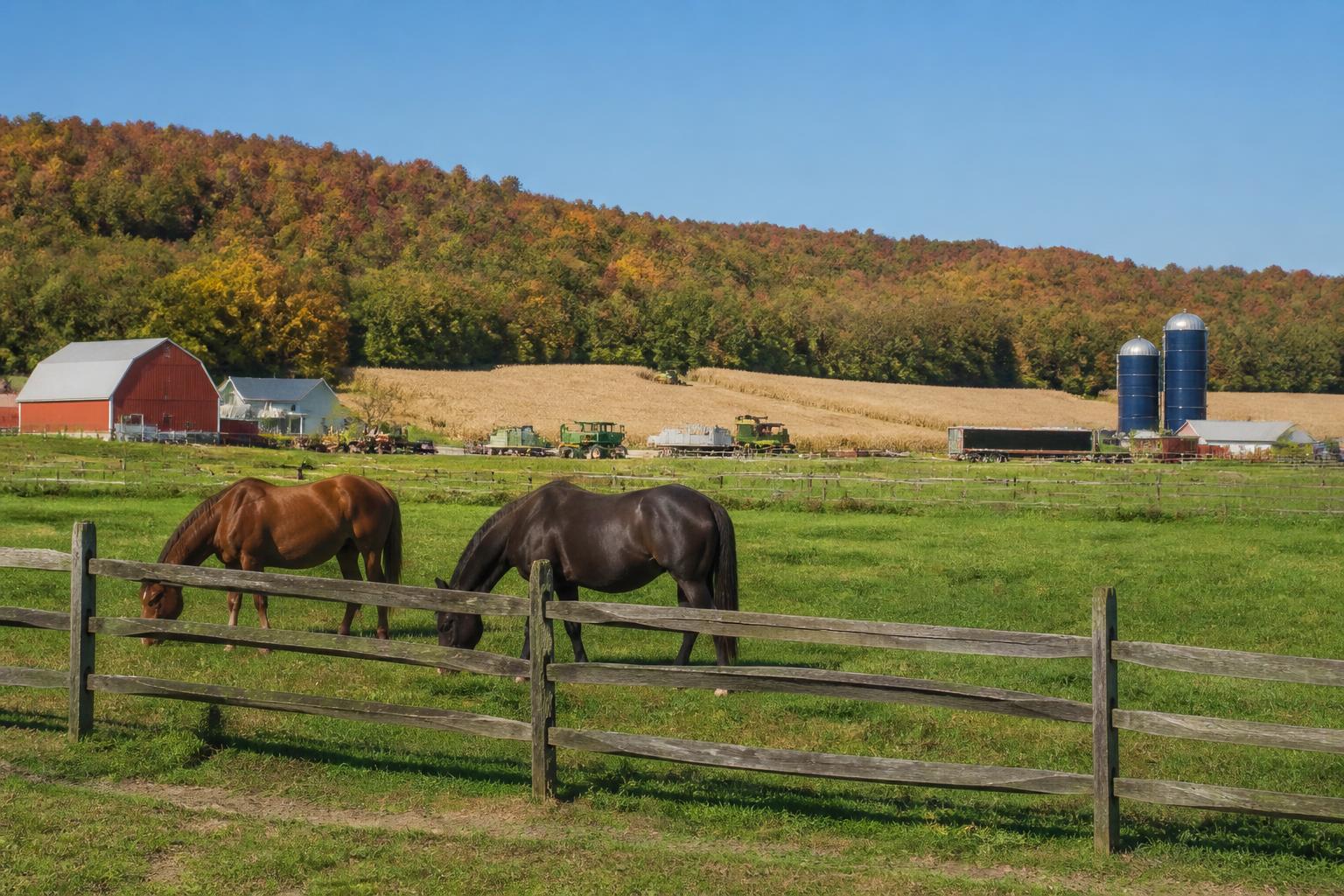
Operational Tempo Rises Across New York
With the calendar turning to late September, agricultural activity across New York is intensifying. From the rolling fields of the Finger Lakes to the productive corridors in the Hudson Valley, growers and grain handlers are entering a critical window where efficient movement of crops is paramount. As harvest operations move into higher gear, the pressure on regional infrastructure continues to mount, highlighting the need for proactive planning among carriers and elevator managers.
For those managing the flow of goods, maintaining clear communication with local storage facilities and logistics partners is essential. Staying ahead of supply chain volatility is a recurring priority, especially as seasonal shifts often introduce unexpected bottlenecks at weigh stations and transit hubs. Ensuring that documentation is precise and that routing avoids common, high-traffic restricted zones remains a standard best practice for regional operators.
Maintaining Regulatory Compliance
As logistics activity reaches its peak, state oversight often intensifies, reminding operators of the importance of strict compliance. Recent investigations into improper transport practices serve as a stark reminder for the livestock and specialized freight sectors regarding the necessity of following rigorous safety and animal welfare protocols. Maintaining a clean record is not just a legal requirement but a fundamental component of reputation management for any agribusiness.
Looking Ahead: Strategic Preparation
Beyond the immediate demands of the field, the broader agricultural sector in New York is grappling with shifting market requirements and the long-term integration of supply agreements. Whether dealing with raw grain logistics or specialty legumes destined for urban markets, the ability to pivot and adapt to changing demand profiles will likely define success for many regional enterprises in the coming months.
What it means for the market
For farmers and transporters, the late-season environment demands a focus on detail and reliability. As the region navigates the current harvest, market participants should prioritize operational efficiency and regulatory compliance to mitigate risk and ensure a smooth transition through the fall months.
Comments
No comments yet - be the first to share your take.