
As the New Jersey agricultural sector enters the heart of the fall season, farmers across the Garden State are balancing ongoing moisture concerns with heightened operational diligence. While late-season conditions can often present hurdles for crop quality, local growers remain focused on maintaining robust logistics pipelines to keep goods moving toward regional markets and distribution hubs.
Equipment Security and Field Operations
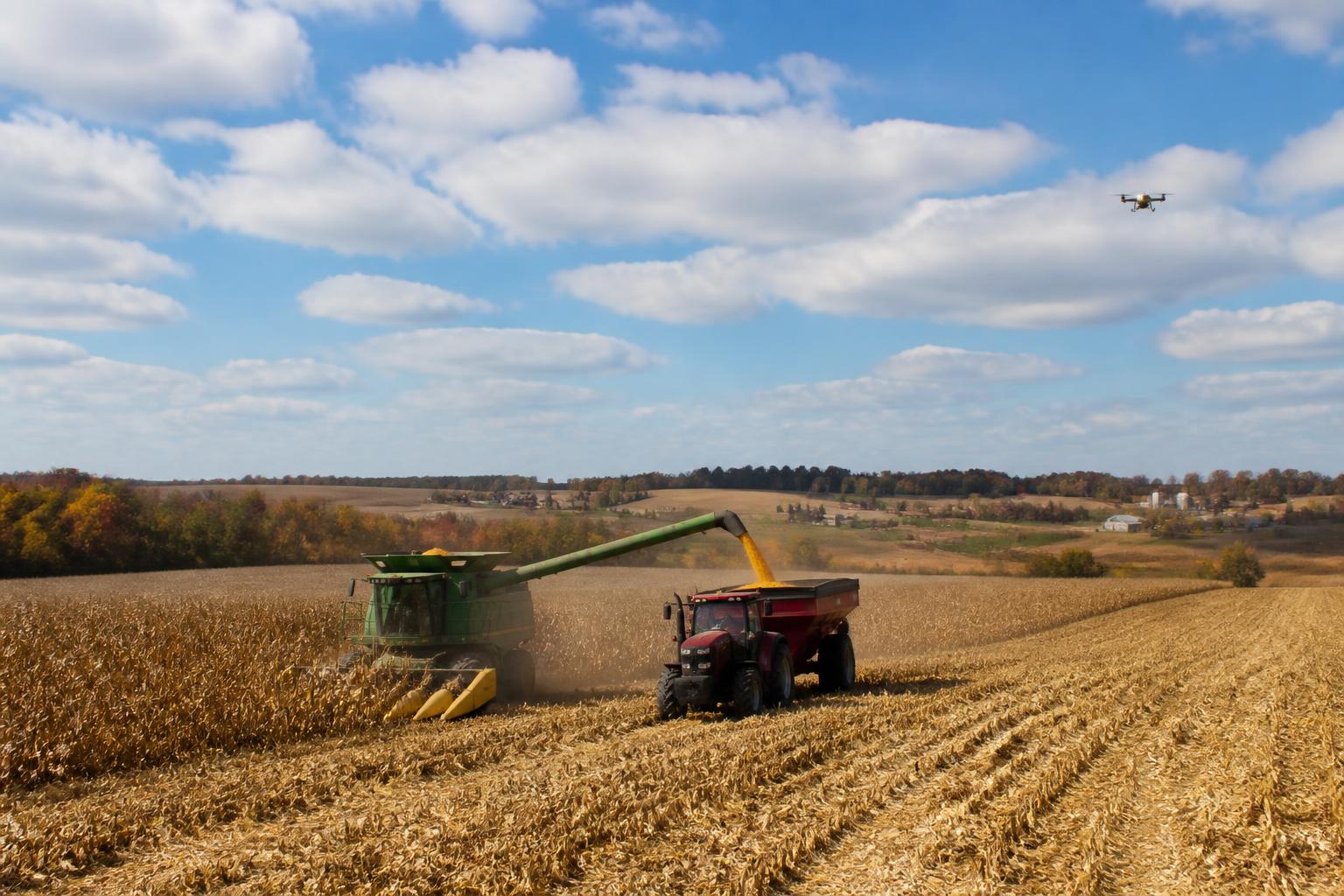
Recent reports regarding the theft and recovery of specialized chemical-spraying drones serve as a reminder for New Jersey agribusinesses to reassess their site security protocols. Protecting high-value precision agriculture assets has become an essential component of modern farm management, particularly as reliance on automated technology increases during the peak intensity of the harvest window.
Beyond security, farmers are navigating the realities of land stewardship. New discussions in the agricultural policy space are highlighting the need for rigorous land restoration practices following utility and transmission infrastructure construction. For operators managing acreage in high-traffic corridors or areas slated for development, understanding the long-term impact on soil health and field accessibility is increasingly critical for maintaining productive yields in subsequent seasons. Consistent logistics planning and operational security remain key pillars for safeguarding the bottom line during these months.
Resource Management in Challenging Conditions
In addition to hardware concerns, managing the physical environment remains a priority. Recent episodes of extreme heat in some parts of the state have reinforced the importance of proactive water usage and crop canopy protection. As the region experiences these seasonal shifts, many producers are exploring innovative ways to optimize their input efficacy, from microbial biotechnology to precision fertilizer application, to ensure their operations remain resilient against unpredictable weather patterns.
What it means for the market
For grain handlers and local suppliers, the focus is on stability. While the broader market watches for signs of volatility, New Jersey’s growers are prioritize reliable, secure, and sustainable operations. As we progress through October, market participants should remain prepared for shifts in supply chain capacity and continue to monitor how infrastructure developments may influence regional transit routes and land utility.
Comments
No comments yet - be the first to share your take.