
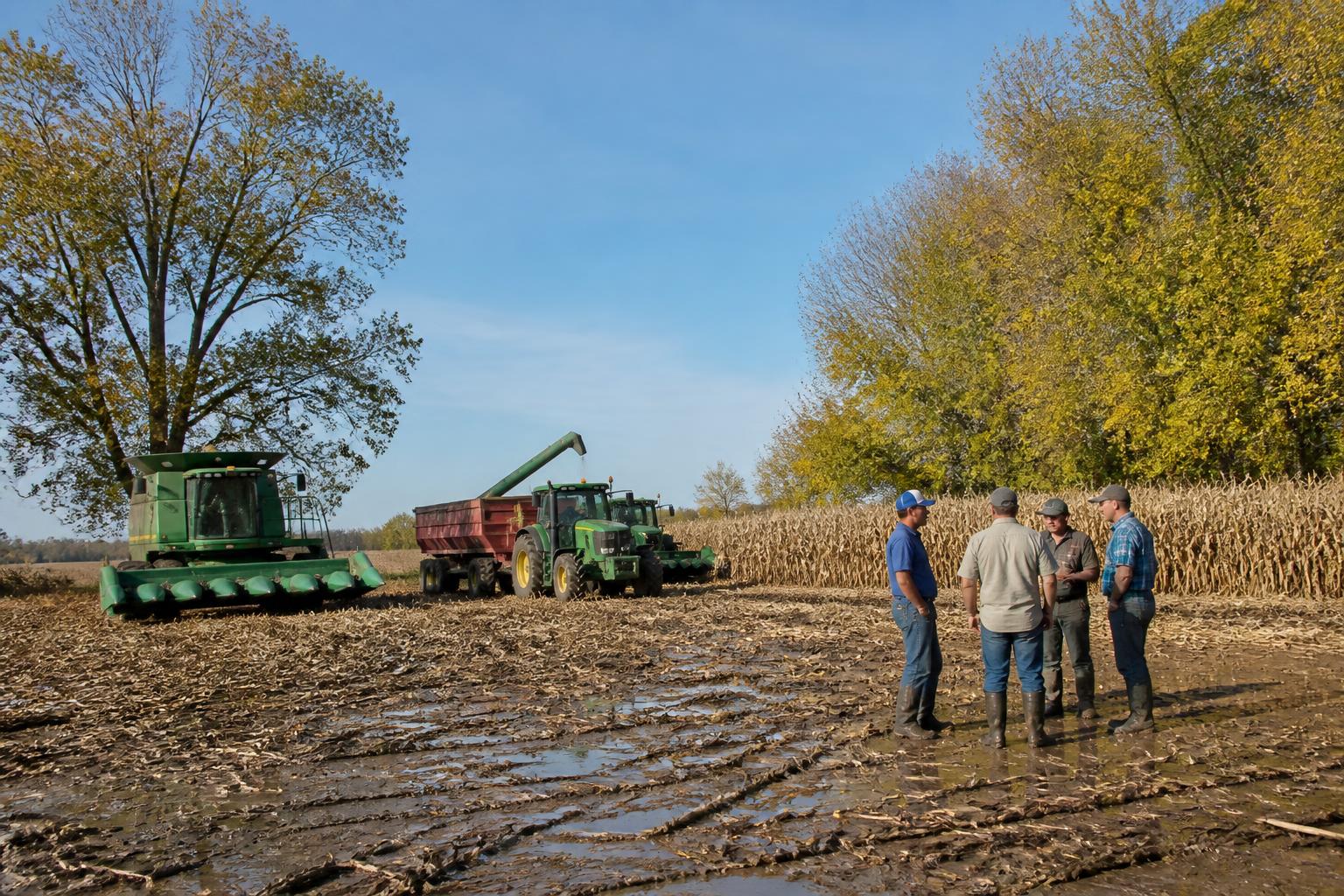
As we navigate the heart of the fall harvest in Texas, producers across the state are balancing the immediate demands of gathering yields with the long-term reality of tightening margins. From the rolling fields of the High Plains to the coastal reaches, the agricultural landscape remains sensitive to broader economic pressures, including the ripple effects of global volatility on essential inputs like diesel and fertilizer.
For many operators, managing grain logistics and storage capacity has become as critical as the harvest itself. As international conflicts continue to influence supply chain stability and push up the cost of production, maintaining a lean and efficient operation is no longer just a goal, but a necessity for surviving the current market environment.
Adapting to Economic and Climatic Pressures
The path toward the 2026 planting season is already being shaped by these compounding factors. While yield outcomes for many staples, including corn, have shown resilience, the persistent pressure on input costs requires a disciplined approach to capital allocation. Producers are increasingly turning to risk management tools to shield their operations from sudden price spikes in fuel and specialized crop protectants.
Moreover, the recurring theme of weather volatility, ranging from historic flooding events in some regions to persistent heat stress in others, has forced many to re-evaluate their insurance coverage and field management strategies. Utilizing modern crop damage assessment tools is becoming a standard practice for those looking to mitigate losses in an era of unpredictable climate cycles.
Community Support and Long-Term Planning
Beyond the ledger, the human element of agriculture remains a focus. Organizations and local institutions are emphasizing the importance of mental health and professional support networks for those managing the stress of these fluctuating markets. Whether through localized crop kick-off events or wider operational resilience forums, the agricultural community is working to share strategies for navigating these turbulent times.
What it means for the market
The Texas market is entering a period where agility is rewarded. As farmers finalize their fall harvest and look toward the coming spring, expect to see a continued emphasis on cost-containment measures and a heavy reliance on data-driven decision-making. Producers who can successfully navigate the current bottleneck in input pricing while maintaining storage flexibility will be best positioned to weather the ongoing global market uncertainties.
Comments
No comments yet - be the first to share your take.