
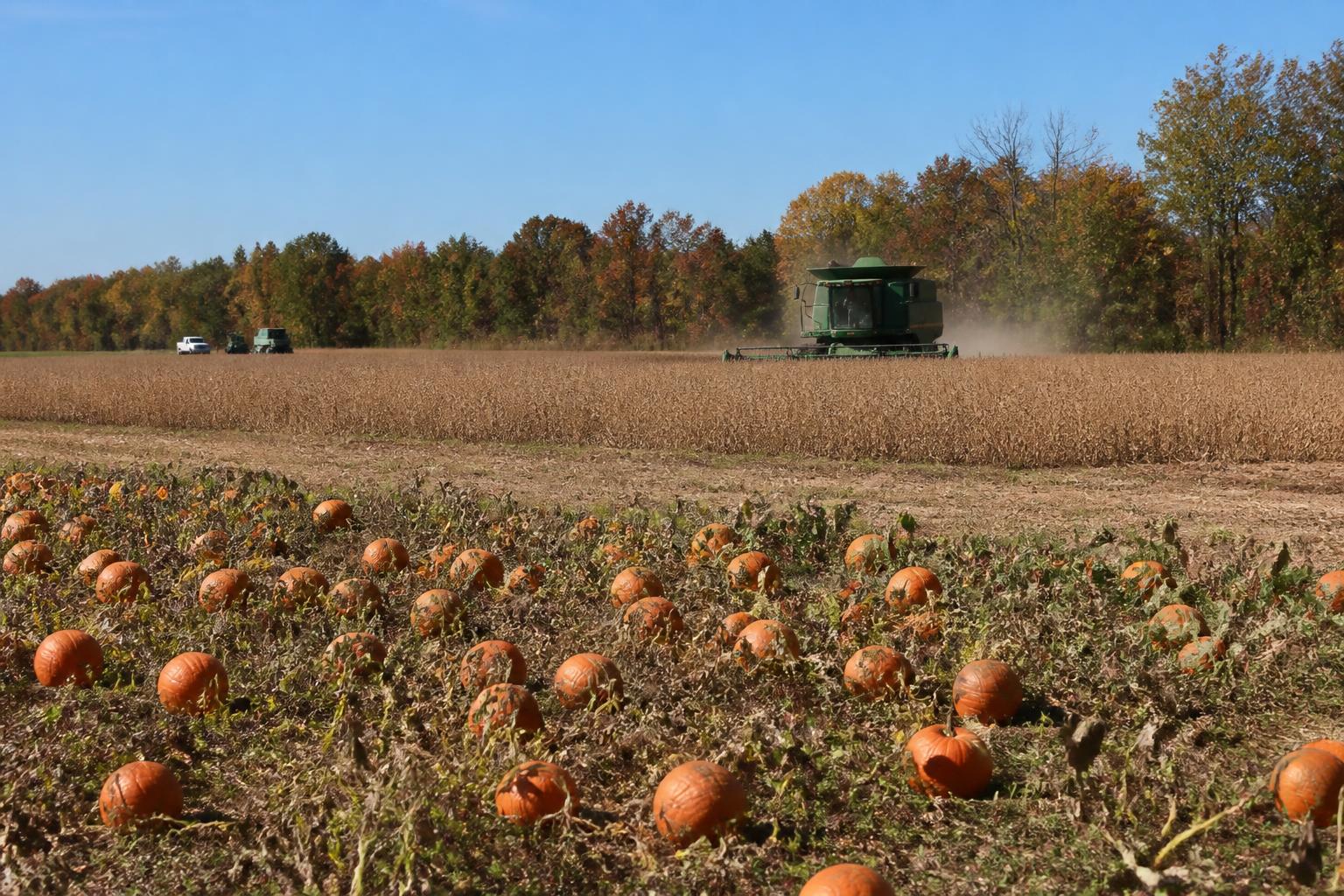
The harvest season is in full swing across Arkansas, with producers across the state focused on securing yields while navigating a complex set of market and logistics variables. For many in the Delta and surrounding agricultural regions, the current season is characterized by a push to move grain efficiently despite ongoing pressure from both global commodity trends and domestic transport hurdles.
Reliable logistics remain critical as grain handlers manage volume during this busy time of year. While road networks throughout the state are well-trafficked, producers are keeping a close eye on water levels and transit conditions that have historically complicated the movement of commodities along the Arkansas River. These bottlenecks, when coupled with broader market fluctuations, make local site-specific planning more essential than ever for those looking to sell grain in Arkansas effectively.
Managing On-Farm Economics
The current environment has forced many operators to re-evaluate their financial margins. Following a challenging year for many in the industry, there is an increased emphasis on input management and long-term planning. Producers are carefully weighing their options, from storage strategies to contract timing, to offset the impact of input costs that have remained a significant concern for regional agribusinesses.
Those navigating the current cycle have also been looking at opportunities to leverage federal and state resources, such as available assistance programs for conservation and farm improvement, to shore up their operations. The focus remains on maintaining sustainability while protecting the farm gate price against the backdrop of larger market forces.
Logistical Realities in the Field
As machinery moves through the fields, from the river counties in the east to the diverse landscapes of central Arkansas, communication between growers and local elevators is vital. Early reports suggest that efficiency in harvest timing, combined with proactive monitoring of local transit availability, is helping some producers mitigate the impacts of fluctuating export demand and broader economic pressures that have affected regional grain movement.
What it means for the market
The Arkansas grain market continues to demand a disciplined approach to both production and logistics. With harvest activities accelerating, producers who prioritize local, real-time data regarding transportation availability and elevator capacity may be better positioned to manage price volatility. While the broader economic landscape presents hurdles, strategic planning remains the best defense for regional grain handlers and growers entering the remainder of the season.
Comments
No comments yet - be the first to share your take.