
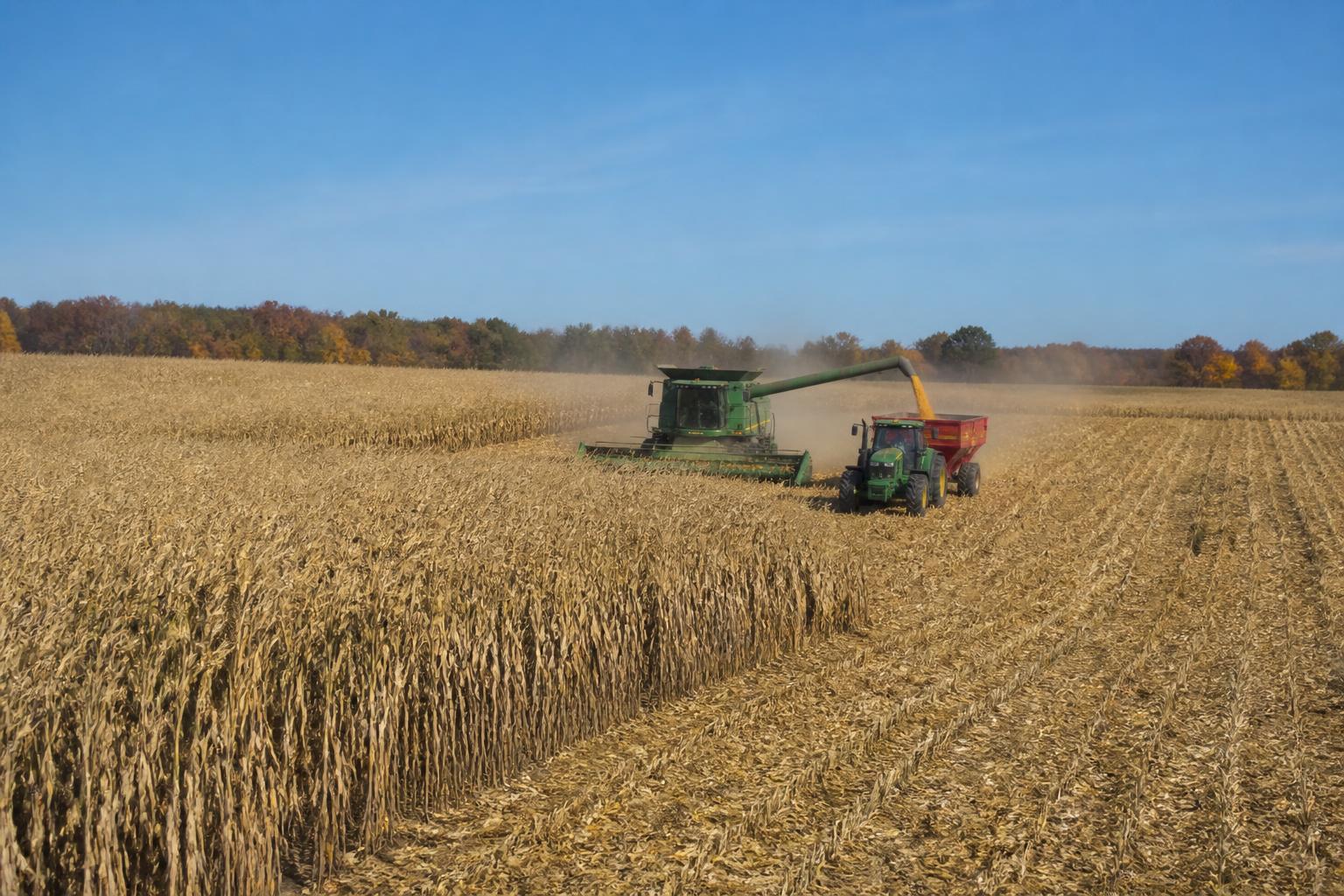
As we move deeper into September, Delaware producers are preparing for the upcoming harvest season. While local field conditions remain the primary focus for growers across the First State, external pressures from global grain markets are creating a complex pricing landscape. For many local operations, staying informed on international supply trends is becoming as important as monitoring local yields.
Global volatility, often driven by fluctuations in trade negotiations and energy prices, continues to impact commodity values. These shifts can ripple down to regional elevators, affecting the local Delaware grain markets as traders adjust to rapid changes in global demand. Whether you are managing corn, soybeans, or wheat, the current environment demands a disciplined approach to grain marketing and inventory management.
Navigating Market Pressures
The interplay between international oil prices and agricultural input costs remains a point of concern for Delaware agribusinesses. Elevated energy costs can impact transportation logistics and the affordability of key inputs needed for the upcoming production cycles. Producers are encouraged to maintain close communication with their regional grain handlers to better understand how these macro-level shifts are being reflected in local basis levels.
Strategic Marketing for Fall
With harvest activity picking up across the state's diverse agricultural regions, storage capacity and timing will play a critical role in realizing value this fall. Farmers may consider spreading out grain sales to hedge against potential price swings as global supply figures are updated throughout the harvest months. Aligning with reliable partners in the regional supply chain can provide the flexibility needed to navigate these shifting market conditions effectively.
What it means for the market
Delaware farmers should prepare for a period of ongoing price instability. By focusing on local basis opportunities and maintaining a flexible marketing plan that accounts for global volatility, producers can better protect their margins throughout the harvest period.
Comments
No comments yet - be the first to share your take.