
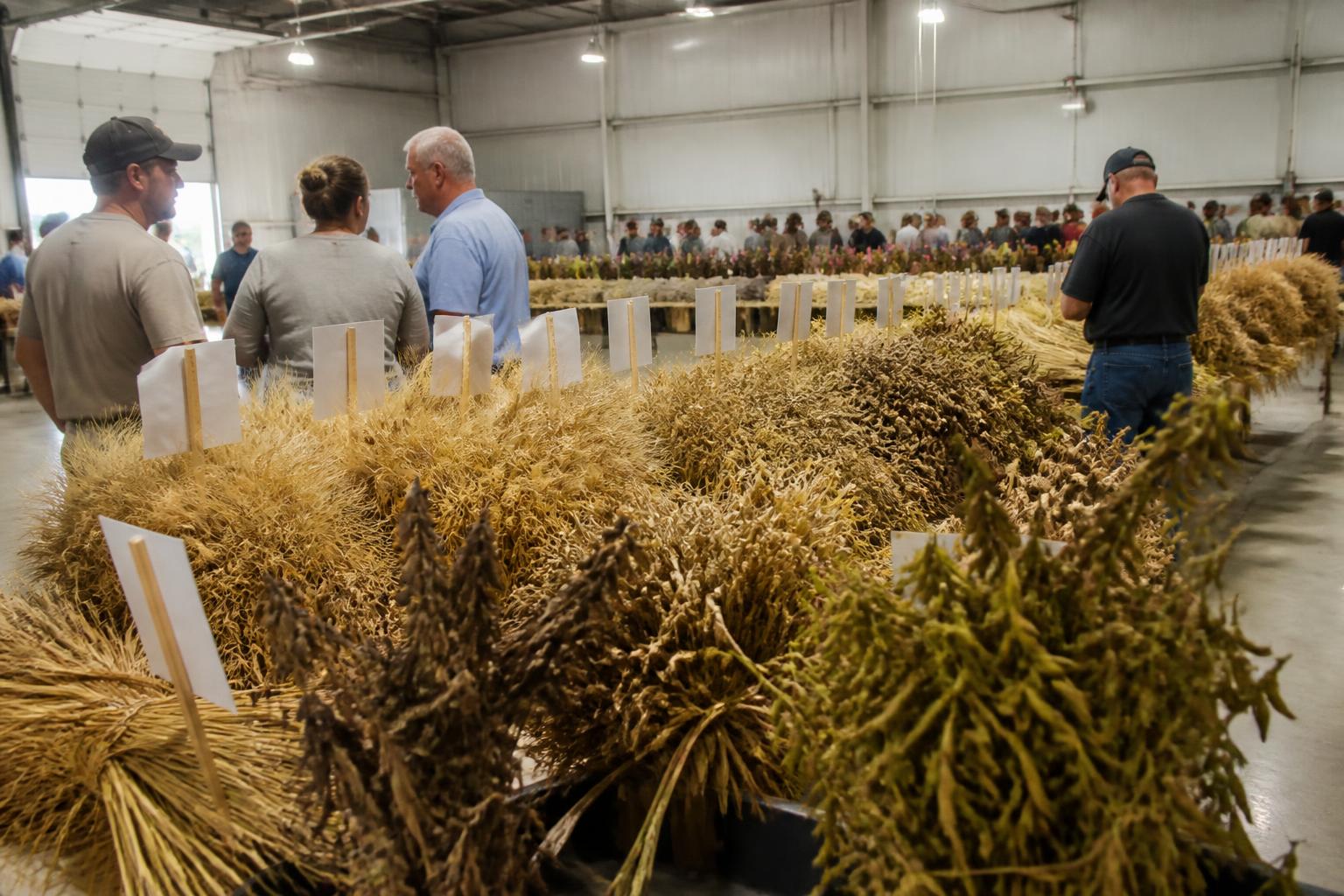
As the Kansas fall season progresses, growers are balancing the reality of localized yield variability with a complex logistics landscape. While some regions continue to navigate the impacts of weather-related pressures on wheat and other crops, attention is shifting toward the efficient movement and storage of harvested commodities.
For those managing the flow of grain, staying informed on current logistical shifts in Kansas grain transport remains critical. Ongoing discussions regarding infrastructure investment, including recent funding allocations for road improvements, may provide some relief to producers dealing with heavy seasonal traffic, though capacity remains a primary concern during peak harvest windows.
Input Markets and Operational Strategy
Market dynamics are being further complicated by a continued focus on efficiency. Producers are increasingly weighing the benefits of new technology and crop management practices against the backdrop of fluctuating input costs. With reports of continued investment in agricultural innovation across the state, many operations are re-evaluating their long-term cropping strategies, particularly as they assess the viability of shifting acreage in response to changing production environments.
The Broader Economic Outlook
While regional challenges persist, broader support for the sector remains a point of focus. Recent federal and private contributions toward ethanol production and research initiatives suggest an emphasis on stabilizing local processing capabilities. This support is vital for maintaining steady market outlets as farmers look to maximize value in a year defined by significant climatic and logistical tests.
What it means for the market
For grain handlers and agribusinesses, the current environment demands a proactive stance. With harvest activity intensifying, the ability to manage storage bottlenecks and coordinate transport will likely dictate the success of the season. Producers should monitor local elevator capacity and stay apprised of regional transit infrastructure updates to minimize delays and protect bottom-line returns.
Comments
No comments yet - be the first to share your take.