
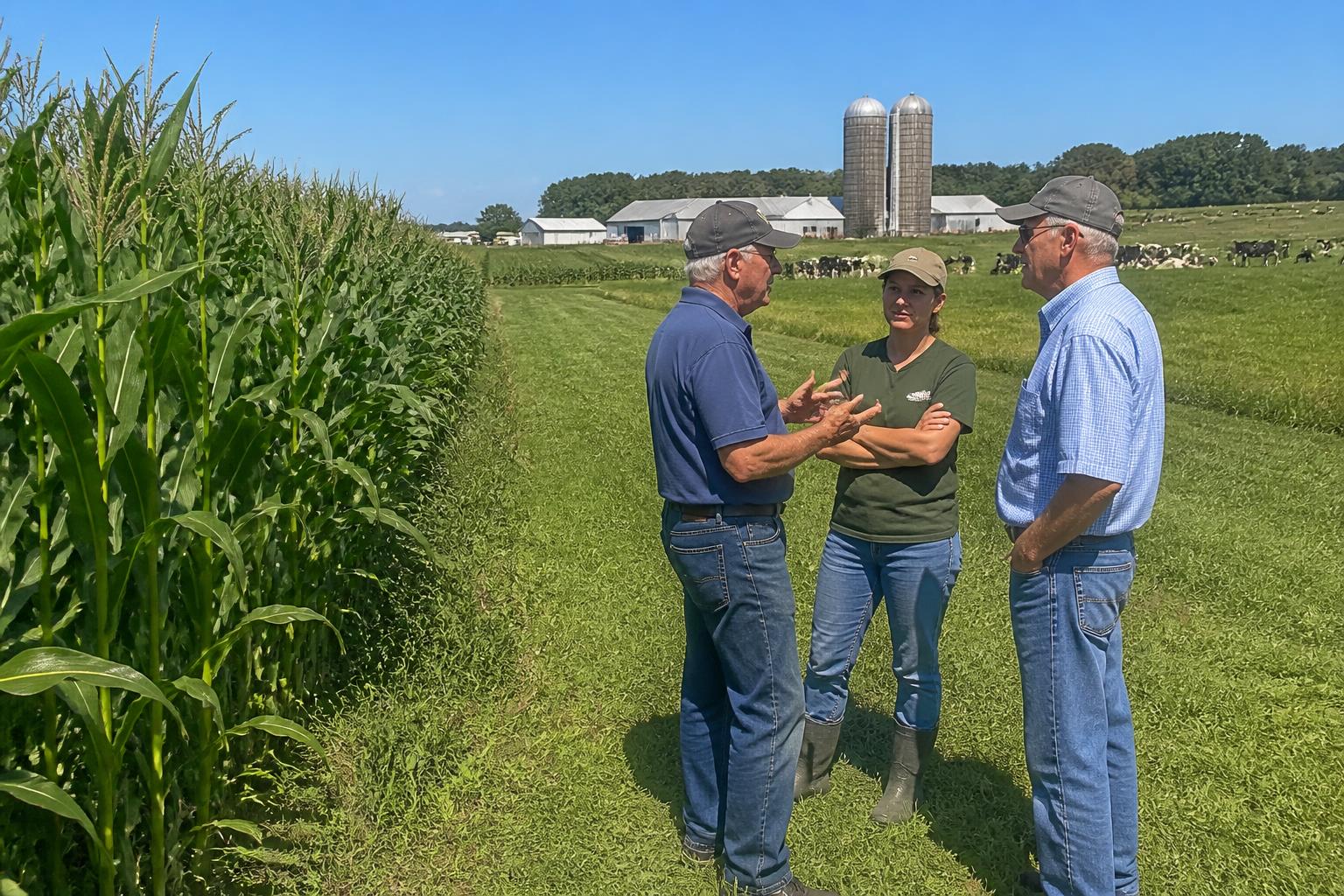
As summer field operations gain momentum across the Delmarva Peninsula, Delaware growers are navigating a complex fertilizer market shaped by shifting global logistics, international geopolitical tensions, and ongoing local transportation planning. Managing nutrient costs is a top priority for the state's grain and poultry producers, especially as tight global crop stocks and localized weather risks continue to support volatility in grain prices.
For Delaware agribusinesses, finding the sweet spot between commercial synthetic inputs and locally sourced organic nutrients is critical. The ability to move these inputs efficiently across the state's transport networks is central to protecting tight operating margins.
Global Geopolitics and Stable Potash Dynamics
International developments, including recent Middle East conflicts, have introduced some uncertainty into global energy and nutrient markets, directly impacting input costs on U.S. farms. However, there is some relief for growers planning their late-season and fall fertility programs. The global potash market is moving through 2026 with relatively stable prices and solid supply, providing a layer of predictability for upcoming purchasing decisions. Meanwhile, major commercial fertilizer producers, such as The Mosaic Company, continue to balance global supply dynamics with domestic logistics to keep key farming regions supplied.
With global grain stocks remaining tight, any weather disruptions can trigger sharp rallies in crop prices. This elevated market environment makes precise, timely nutrient application essential to maximizing yield potential while controlling input risk.
Delaware Transport and Local Nutrient Solutions
In Delaware, the physical logistics of moving inputs and agricultural commodities can present distinct regional challenges. Local growers have recently met with state officials to brainstorm transportation solutions aimed at improving agricultural shipping efficiency along key corridors like Route 13 and Route 113. Additionally, localized friction, such as disputes over harvest debris near expanding residential developments like the Bay Forest community on the Eastern Shore, highlights the delicate balance between active farming operations and growing coastal populations.
To hedge against global supply chain disruptions, many Delmarva operations are maximizing local resources. Utilizing regional poultry litter from Sussex and Kent County poultry houses remains a primary strategy for offsetting commercial fertilizer bills. For a deeper look at utilizing regional resources, check out our guide on managing nutrient volatility in Delaware.
Efficiency and Innovation in the Field
With the energy footprint of local corn production remaining a key focus for regional researchers, efficiency in nutrient management is more important than ever. Agricultural innovators are continually seeking chemical and biological solutions to optimize nutrient uptake. For instance, the legacy of chemical innovation in Delaware, exemplified by local research honors, underscores the ongoing push for advanced agricultural solutions.
Keeping up with broader Delaware agricultural trends allows producers to adjust their input strategies dynamically as commodity markets react to global supply risks and changing weather forecasts.
Key Takeaways for Delaware Producers
- Stable Potash Outlook: Potash prices remain stable, offering a predictable planning window for late-summer and fall fertility programs.
- Transportation Priorities: Local transport discussions in Delaware highlight the state's focus on improving ag logistics and hauling efficiency.
- Alternative Nutrients: Integrating regional organic nutrients like poultry litter remains a critical buffer against global market swings.
What it means for the market
For Delaware farmers and agribusinesses, the summer of 2026 demands a dual approach: securing stable commercial inputs like potash when pricing is favorable, while actively optimizing local logistics and alternative nutrients to keep crop production costs manageable.
Comments
No comments yet — be the first to share your take.