
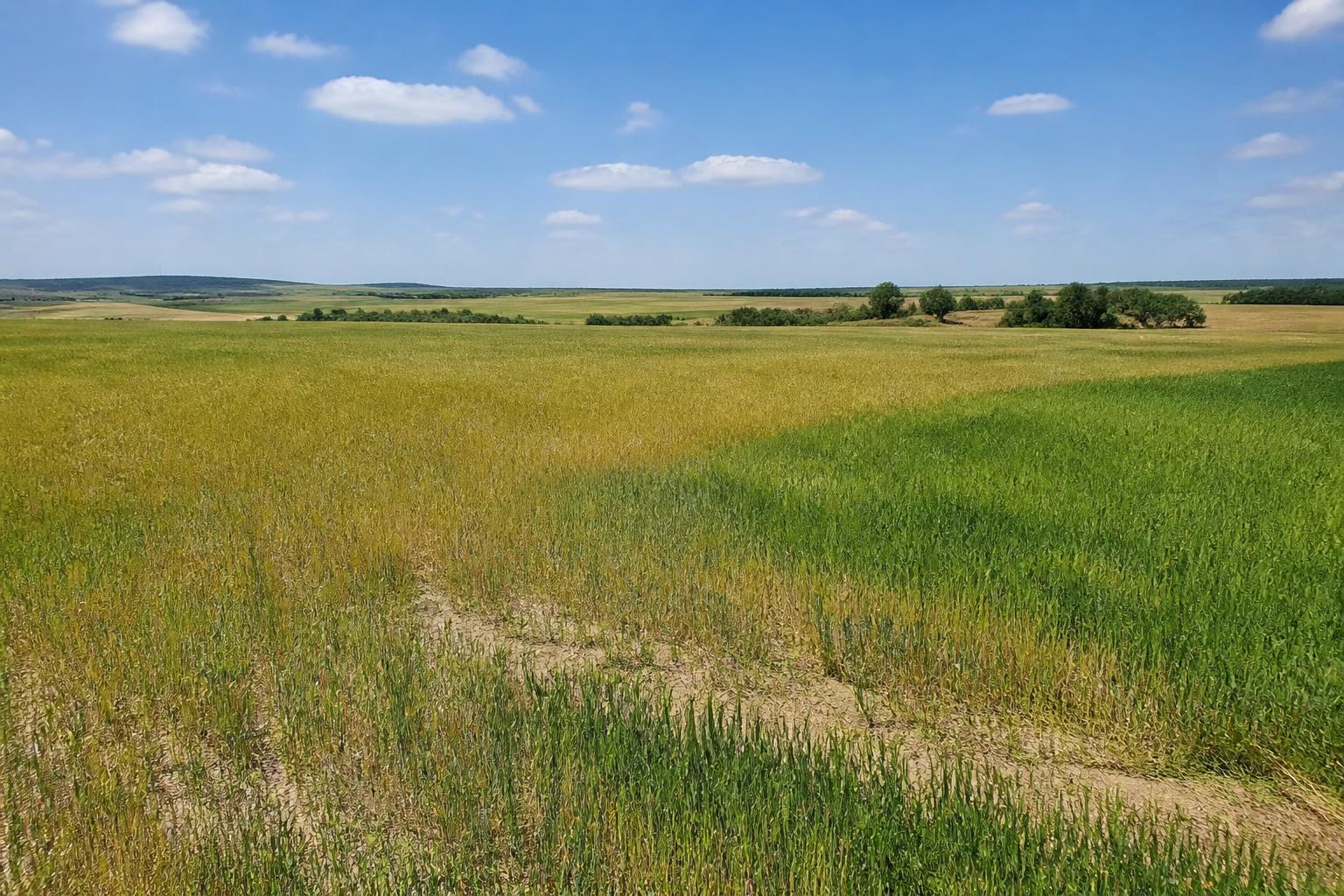
As the summer heat intensifies across Texas, grain producers and market analysts are closely monitoring a complex landscape of shifting acreage, weather-driven crop conditions, and evolving export pipelines. While national trends show resilient acreage for some feed grains, local drought conditions have driven a contrasting narrative in the Lone Star State, forcing farmers and elevators to adapt to tight local supplies and highly localized pricing dynamics.
Managing feed grains and small grains in Texas requires a careful balance between high input costs and global market opportunities. From the High Plains down to the coastal shipping corridors, local logistics and basis tracking remain the primary tools for protecting thin operating margins.
The Corn Acreage Contraction and Basis Management
While corn acres have seen upward movement at the national level, persistent drought in major Texas growing regions has driven a notable decrease in local corn acreage. This localized drop in production directly impacts the basis, which represents the difference between the local cash price and the futures market. Grain handlers and feedlots must watch this metric closely. In regions where local demand from livestock and poultry sectors remains robust, tight local supplies can keep basis bids firm, presenting selective marketing opportunities for growers who have grain on hand.
To navigate these volatile marketing conditions, growers can explore the strategies outlined in the Texas Grain Market Outlook, which details variety selection, input management, and local basis hedging.
Wheat Resilience and Global Export Pipelines
Texas has a deep agricultural history tied to wheat, particularly in the northern counties of the state. Despite this historical legacy, recent growing seasons have tested producers, with wheat crop conditions rated poor across large swaths of Texas due to soil moisture deficits. However, long-term trends show that acreage intentions for wheat remain competitive, as growers look to wheat as a hardier alternative in dry rotations.
On the demand side, international markets continue to show strong interest in U.S. grain. Export pipelines, particularly to buyers like the Philippines, remain highly active. Texas ports and Gulf Coast terminals serve as critical gateways to these world markets, ensuring that even when local yields are challenged, the logistical infrastructure is primed to move grain efficiently from elevators to global buyers.
High Input Costs and Margin Protection
The broader feed grain outlook continues to be defined by high operating costs and tight profit margins. While commodity prices have seen periods of strength, the expense of fertilizers, fuel, and crop protection chemicals continues to pressure farm ledgers. In dry years, the risks are magnified, making input efficiency and precise marketing plans essential for survival.
Key Takeaways for Texas Grain Operators
- Track local basis closely: With local corn acres down due to drought, regional demand may drive favorable basis opportunities compared to national futures prices.
- Keep an eye on export gateways: Steady international demand from buyers like the Philippines highlights the ongoing importance of Texas port logistics.
- Focus on input efficiency: High costs mean that optimizing fertilizer and water use is critical to protecting margins during dry summer stretches.
What it means for the market
The Texas grain market this summer is a story of regional divergence. While national supplies may seem abundant, local drought-driven acreage cuts are keeping Texas cash markets highly sensitive to regional supply and demand. Farmers and grain handlers who monitor local feed demands and leverage regional basis trends will be best positioned to navigate the tight margins of the current season.
Comments
No comments yet - be the first to share your take.