
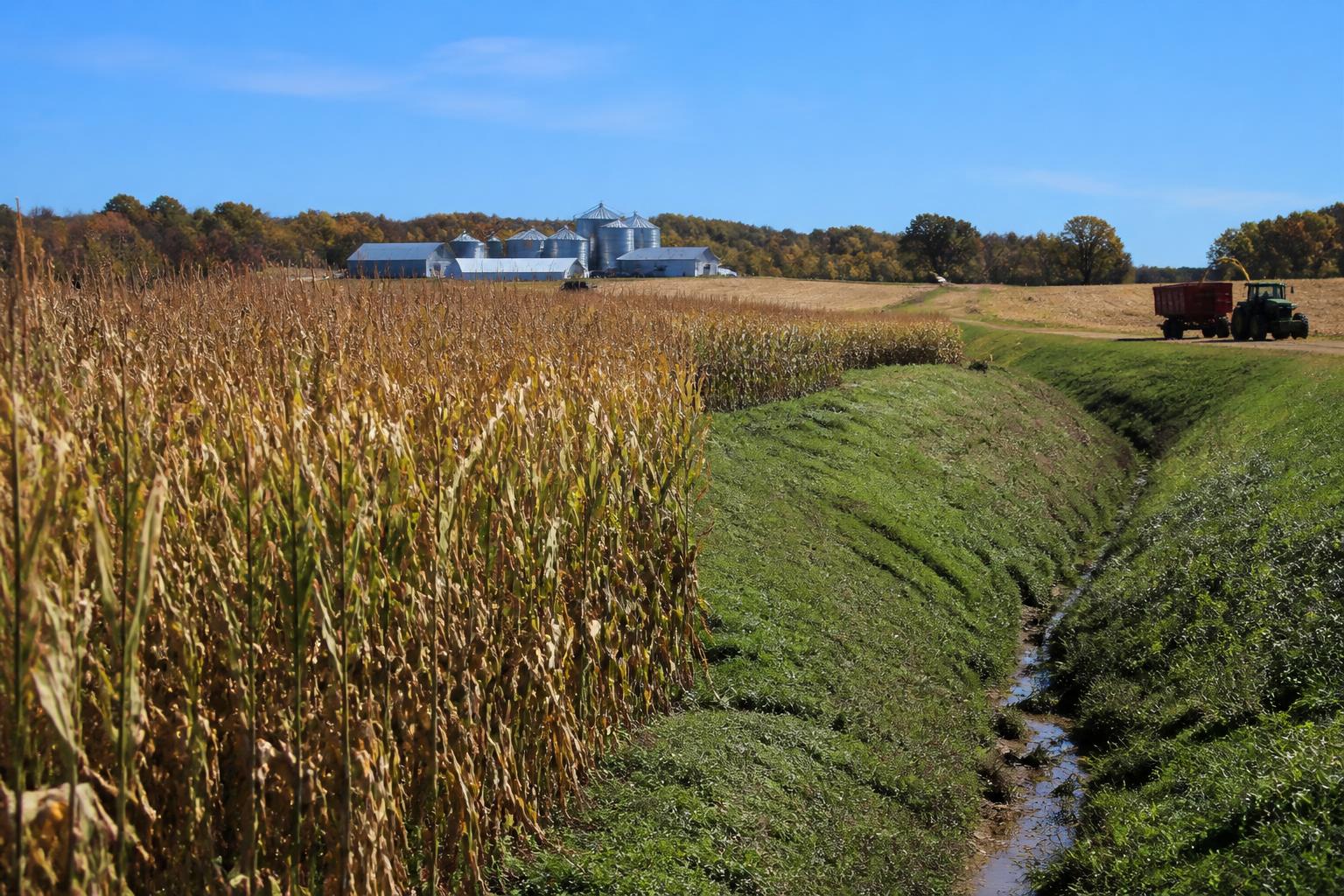
As Wisconsin producers turn their attention to the fields this fall, the conversation surrounding input management continues to shift toward long-term resilience. With harvest operations now gaining momentum across the state, many growers are balancing immediate logistical demands with the persistent challenge of navigating fertilizer price volatility. The ability to manage these costs through strategic planning has become a critical component of farm profitability, especially as global supply chain disruptions remain a lingering threat to market stability.
The agricultural landscape in regions like Clark County and beyond is currently focused on maximizing efficiency amidst these broader pressures. Whether it is addressing soil health to mitigate erosion or evaluating the latest tools for nutrient application, farmers are increasingly looking toward technology that can help optimize yields while keeping input costs in check. The management of rising fertilizer costs through strategic testing remains a top priority for those looking to secure their financial footing for the upcoming production seasons.
Adapting to Supply Chain Realities
The global fertilizer market continues to face a complex set of variables, including geopolitical factors that can jeopardize the supply of essential components like sulfur and phosphate. This uncertainty has prompted many in the industry to look for more localized or innovative solutions. While long-term research into corn that can effectively manage its own nutrient needs continues to capture headlines, the immediate reality for most remains the careful sourcing of conventional inputs.
For those managing grain storage or preparing for post-harvest logistics, balancing these investments with infrastructure requirements is vital. As noted in recent updates regarding storage constraints that tighten as the harvest gains momentum, the interplay between input spending and storage capacity often dictates the success of a producer's marketing strategy. Careful planning around these bottlenecks can help avoid costly delays during the peak delivery window.
Strategic Planning for the Future
Beyond immediate logistical concerns, growers are encouraged to look at the broader resources available to them. From utilizing updated custom rate surveys to exploring new insurance options for corn, there is a clear push to use data-driven decision-making to insulate against market swings. Furthermore, staying informed on fall infrastructure updates and regulatory shifts can provide a competitive edge in managing the movement and storage of crops as they leave the field.
What it means for the market: The current climate suggests that producers who prioritize precise input management and proactive infrastructure planning will be better positioned to navigate the ongoing volatility. As harvest activities ramp up, maintaining flexibility in both input procurement and grain movement will be essential for those looking to maintain margins in a fluctuating global market.
Comments
No comments yet - be the first to share your take.