
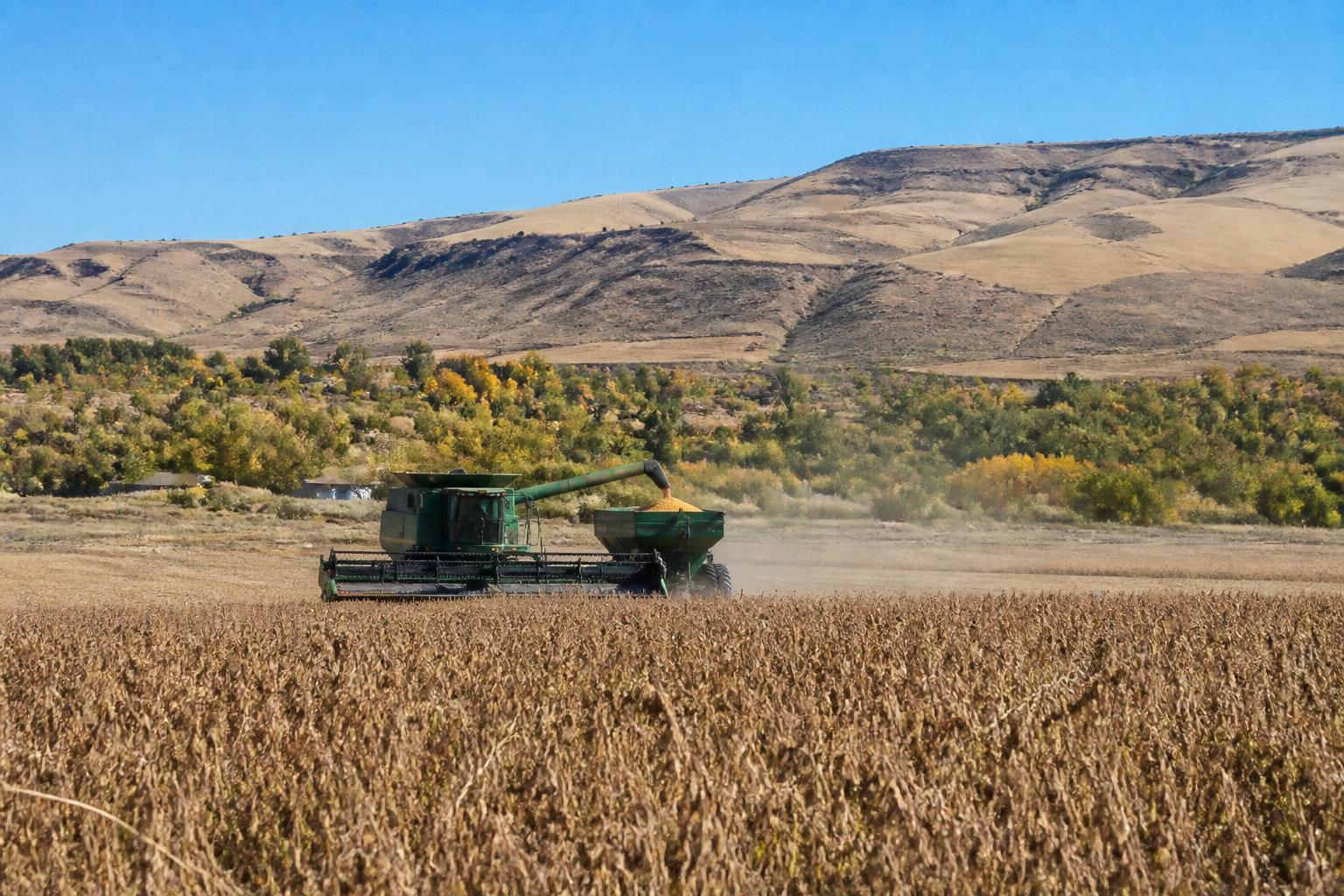
Utah's agricultural sector is currently navigating a complex period marked by both environmental volatility and shifting economic conditions. As the state moves further into the fall, farmers are closely monitoring regional weather patterns, where dry conditions and recent threats of localized freezes have created significant uncertainty for orchard operators and grain producers alike. These environmental pressures often complicate decision-making for those preparing fields for the next cycle.
Navigating Input Costs and Market Pressures
Beyond weather-related challenges, operational costs remain a primary concern for local producers. Inflationary trends are contributing to higher prices at farmers markets, reflecting the broader economic strain felt throughout the supply chain. For many, managing these rising expenses is critical to maintaining solvency. Understanding the current grain market landscape is essential for producers looking to mitigate the impact of fluctuating commodity prices and tightening margins.
Resource Management and Long-Term Stability
The reliance on essential inputs continues to be a focal point for agribusinesses across Utah. Strategic partnerships, such as supply agreements for critical production materials, are becoming increasingly vital to stabilize costs against market volatility. Furthermore, the ongoing discourse regarding agricultural sustainability and land management highlights the necessity for proactive planning to protect the state's food supply and ensure long-term productivity for family farms and larger operations.
What it means for the market
For the Utah producer, the current environment demands a high level of operational vigilance. With unpredictable weather and persistent inflationary pressure, protecting margins through strategic input sourcing and careful planning will be paramount. Farmers and handlers should prioritize long-term efficiency to remain resilient against the dual threats of environmental stress and rising market costs.
Comments
No comments yet - be the first to share your take.