
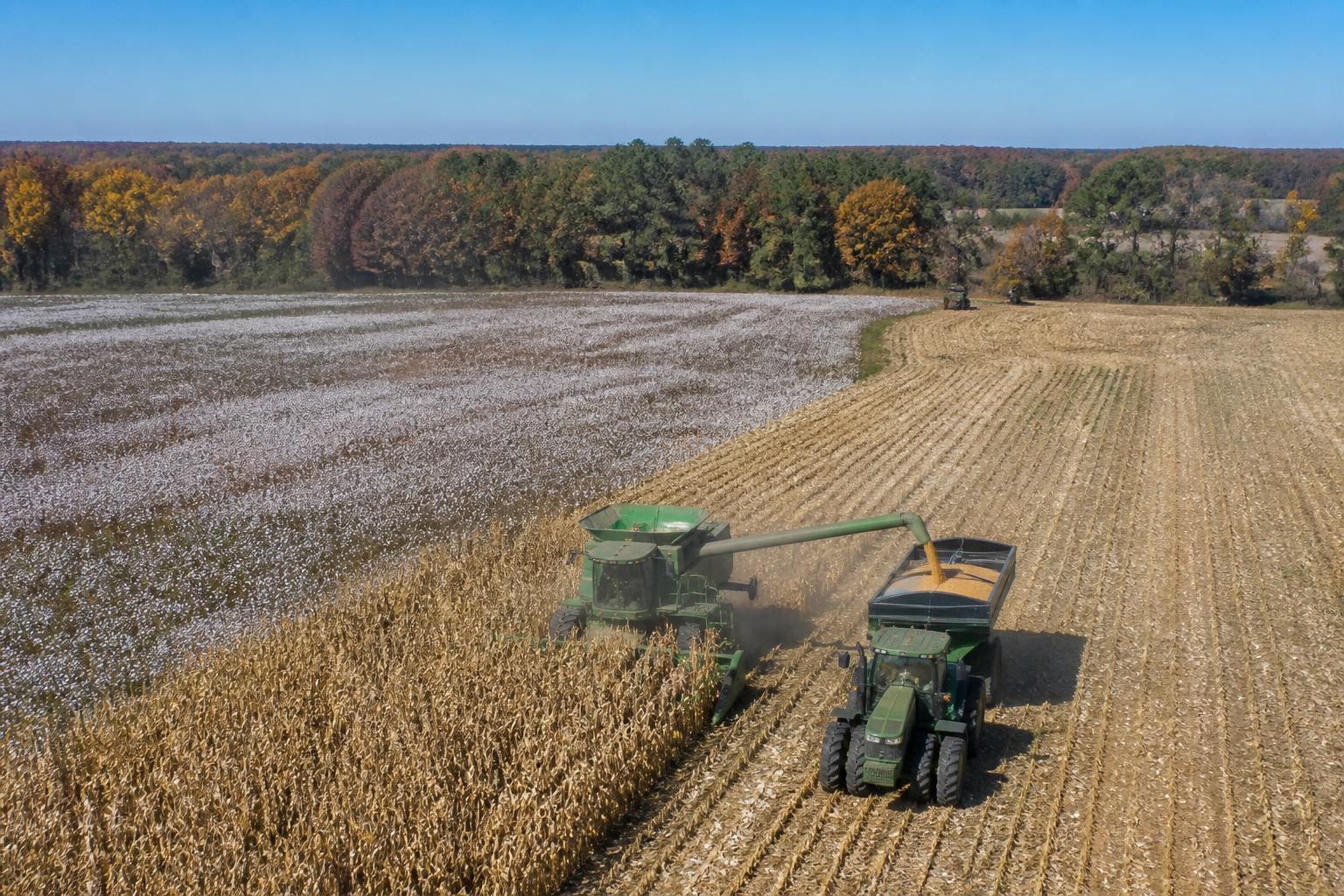
As the fall harvest accelerates across Mississippi, the agricultural sector is once again centering its attention on the stability of the lower Mississippi River corridor. For many growers and grain elevators, the primary concern remains the reliable transport of commodities to Gulf export terminals, which often face disruptions when water levels deviate from ideal operational ranges. Managing these logistical bottlenecks during peak seasonal movement requires a high degree of coordination between producers and regional grain handlers.
Infrastructure and Seasonal Demand
The efficiency of the state's grain supply chain is tested every fall as volume spikes meet the reality of river-level management. When water levels restrict barge draft, the resulting light-loading requirements can ripple through the supply chain, often increasing storage pressure at local elevators. These conditions are not unique to the current season, but they remain a central feature of late-season river navigation that producers must account for in their regional marketing strategies.
Optimizing Local Grain Flow
For agribusinesses and carriers, staying ahead of these logistical shifts is vital. Many operators are now looking closer at local storage utilization to mitigate reliance on just-in-time shipping when river conditions are unpredictable. By focusing on site-specific handling capacity and maintaining close communication with river terminals, stakeholders can better navigate the limitations imposed by seasonal hydrological changes. Producers are reminded that early planning can provide a buffer against the capacity constraints often associated with peak harvest logistics.
What it means for the market
For Mississippi farmers and grain handlers, the market outlook remains heavily influenced by the ability to move product efficiently. While global demand fluctuates, local profitability is frequently dictated by the cost and availability of transport. As the season progresses, market participants should anticipate that river-related logistics will continue to be a primary driver of basis levels, underscoring the importance of diversified storage and logistics planning for the remainder of the fall.
Comments
No comments yet - be the first to share your take.