
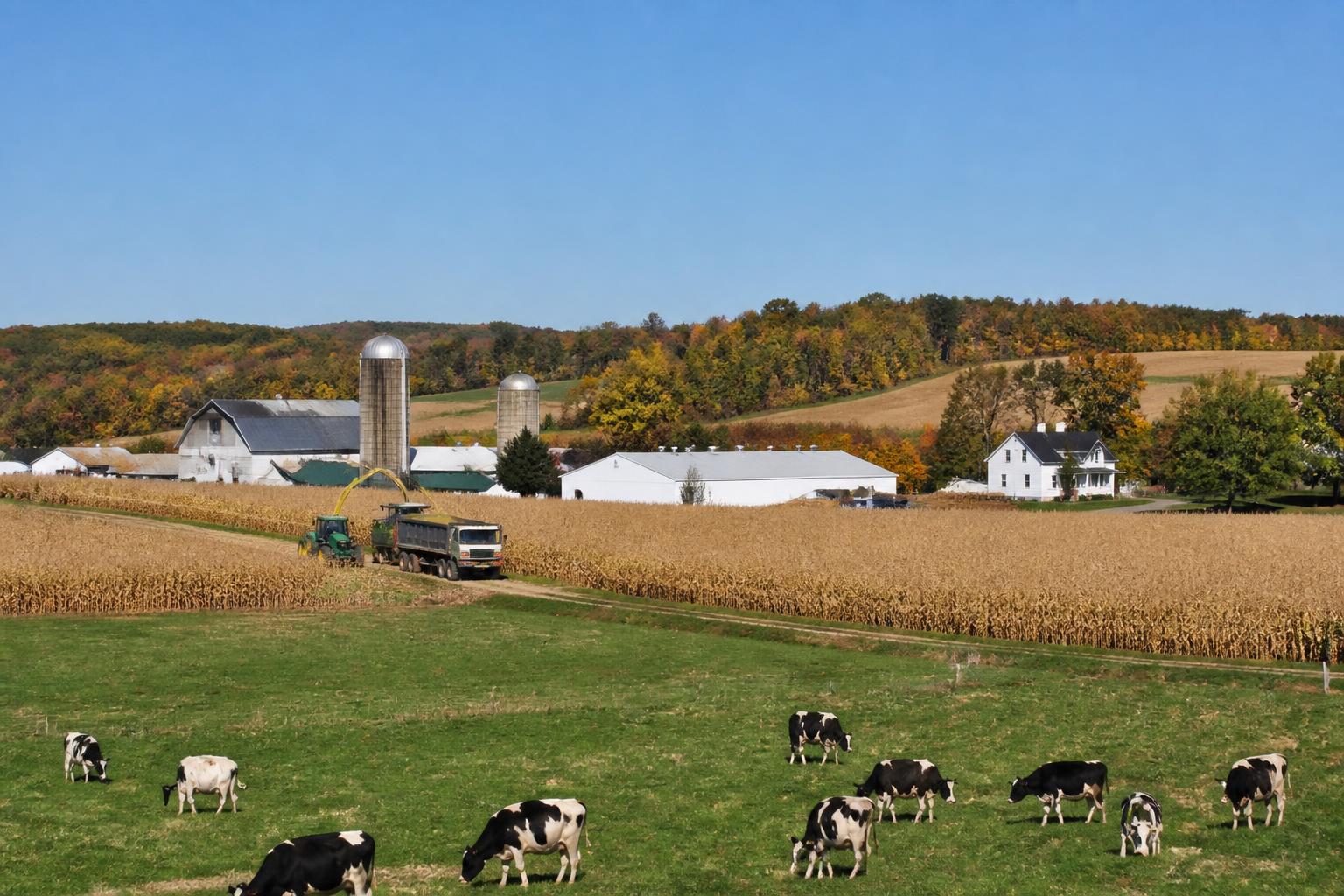
As the fall harvest gains momentum across Wisconsin, producers are balancing field operations with an increasingly complex economic environment. From the dairy corridors of western Wisconsin to the grain-heavy fields in the southern and central regions, farmers are navigating a season defined by both operational urgency and broader financial headwinds. With harvest preparations in full swing, the focus remains on maximizing yields while managing the persistent pressure of rising fuel and input costs.
Addressing Input Costs and Policy Needs
For many Wisconsin agribusinesses, the primary conversation remains anchored in the sustainability of current farming operations. Dairy producers, in particular, are frequently citing tight margins as a significant barrier to long-term planning. While local discussions often turn toward the necessity of federal support, advocacy for a comprehensive Farm Bill has become a point of unity across state agricultural groups. The push for policy clarity is essential, as farmers look for reliable frameworks to manage everything from volatile land rent valuations to the rising expenses of seasonal inputs.
Logistics and Resource Management
Efficiency in the field is paramount during these peak weeks of September. Beyond the combine, producers are also tackling the day-to-day logistics of farm management, including the increasingly tedious task of plastic waste disposal on dairy operations and monitoring changing population patterns for field crop pests. Effective management of infrastructure and supply chain shifts remains a crucial component for those looking to stay competitive as the season advances toward the final quarter.
What it means for the market
The current market environment suggests a cautious approach to capital expenditure among Wisconsin producers. With potential regulatory shifts and the ongoing debate surrounding federal agricultural relief, grain handlers and input suppliers should expect continued volatility. For the average operator, staying closely attuned to local supply chain updates and leveraging regional research networks will be vital to navigating the remaining harvest weeks and preparing for the winter planning cycle.
Comments
No comments yet - be the first to share your take.