
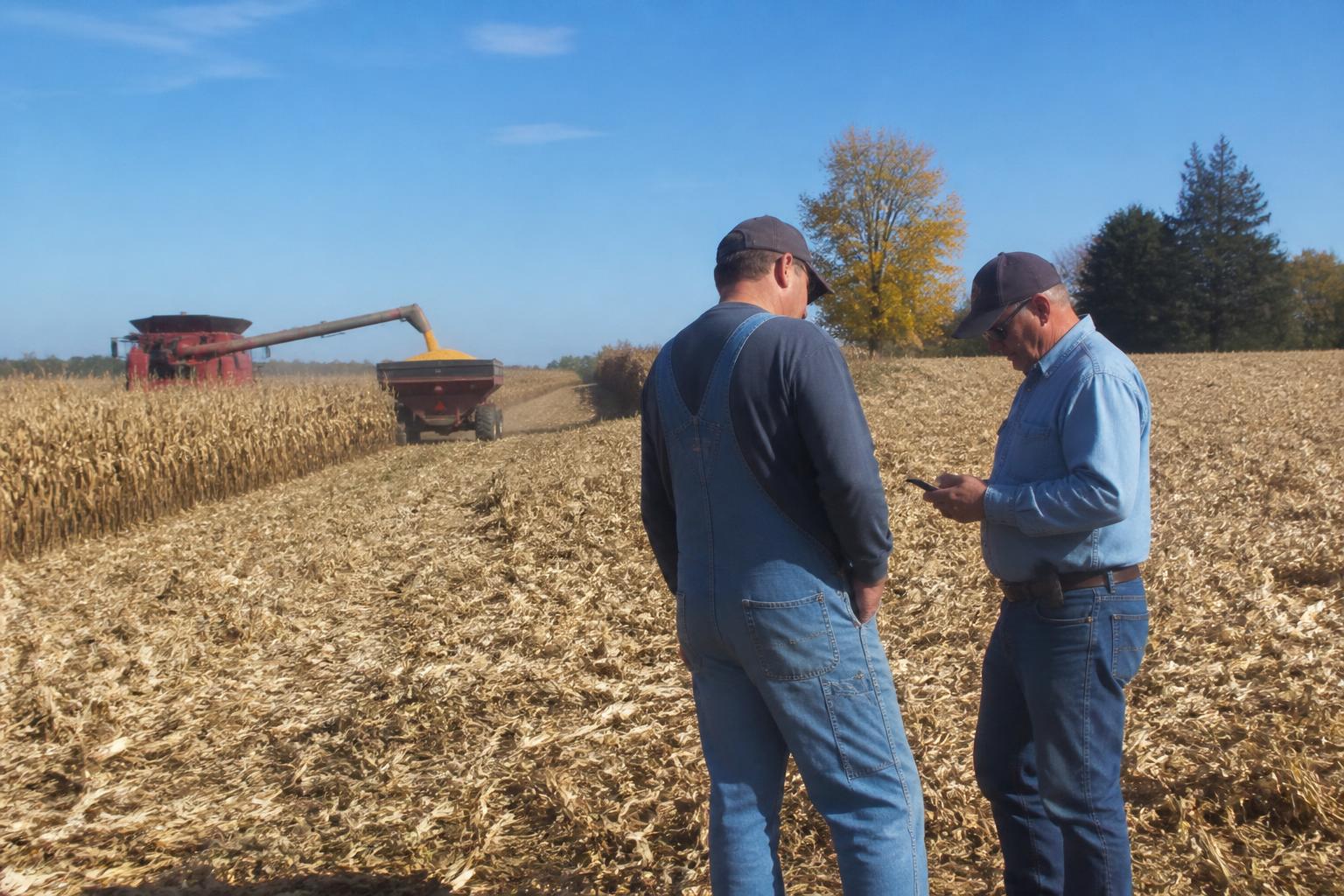
As the fall season progresses, Maryland producers are turning their attention to final yield projections and logistical preparations. Recent industry gatherings, including regional field days, have provided a platform for growers to share insights on crop development and address the challenges of managing production in a volatile market environment. For many, this period is critical for gathering the data necessary to refine post-harvest strategies and optimize storage capacity.
Effective grain market navigation requires a clear understanding of regional production trends and the potential pressures that accompany the autumn window. As farm managers look to capitalize on seasonal opportunities, focusing on high-quality data and efficient on-farm practices remains a top priority. Producers are encouraged to evaluate current harvest logistics to ensure that equipment and transport workflows are aligned with expected yields across Eastern Shore and Piedmont operations.
Refining Input and Operational Efficiency
The current market landscape emphasizes the need for disciplined supply management. Whether adjusting fertilizer applications for the upcoming season or finalizing storage arrangements, proactive planning can mitigate the impact of unforeseen input costs. Knowledge-sharing events have become an increasingly vital resource for Maryland farmers aiming to stay competitive, offering practical forums to discuss everything from equipment calibration to long-term soil health initiatives.
Maintaining oversight of local infrastructure is equally vital during the peak of the season. As transportation demand increases, farmers may find value in reviewing harvest transit challenges that often emerge as volumes reach the elevator. Being prepared for road weight restrictions and busy terminal queues is a hallmark of a successful operation, allowing growers to maintain steady movement throughout the harvest cycle.
What it means for the market
For the Maryland grain sector, the late-September outlook suggests a period of transition where careful operational management is essential. By integrating current field intelligence with disciplined logistical planning, producers are better positioned to navigate the remainder of the season. As the harvest windows open, prioritizing reliable data and strong transport partnerships will likely be the most effective strategy for managing market exposure and ensuring product reaches the end-user efficiently.
Comments
No comments yet - be the first to share your take.