
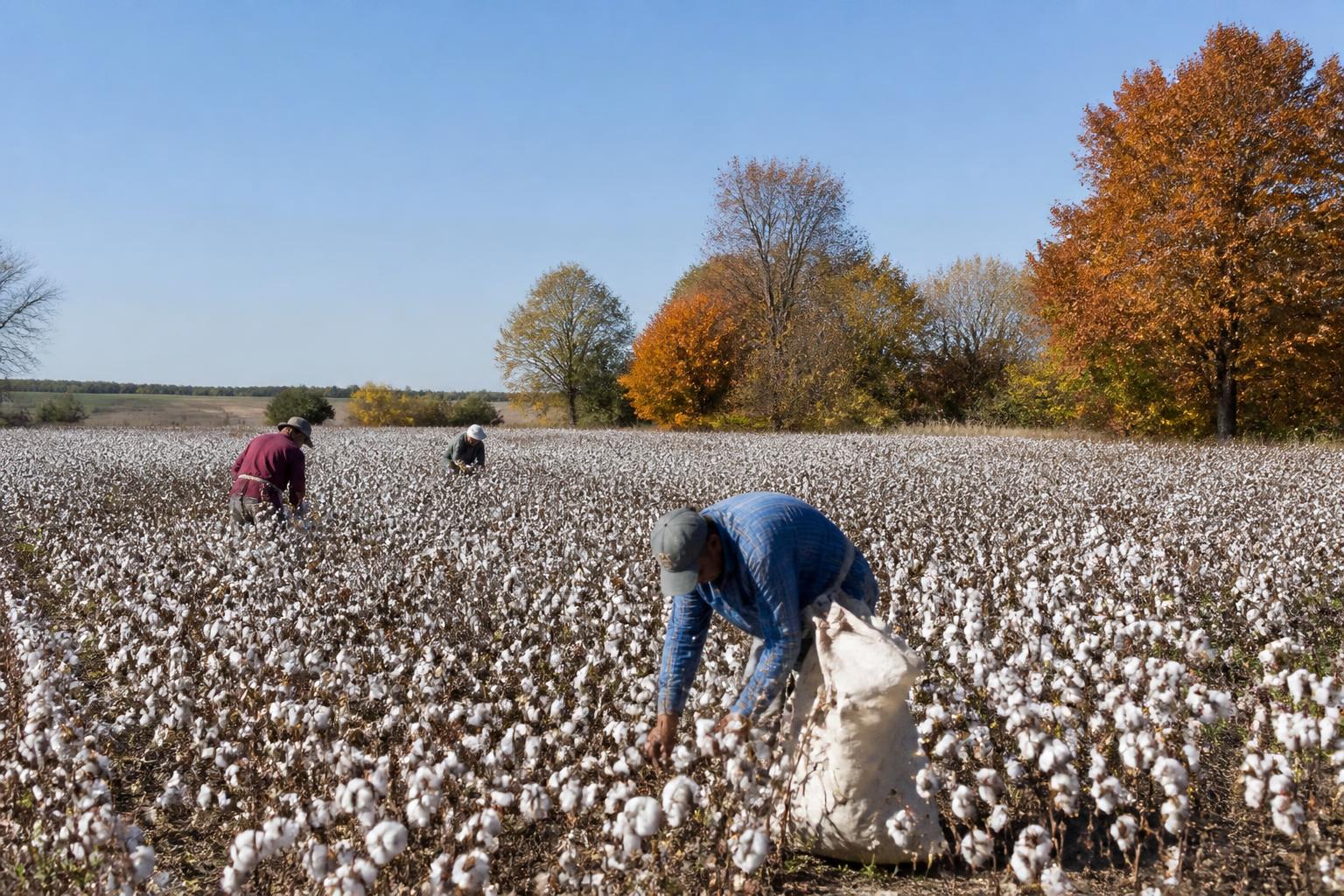
As the fall harvest season gathers momentum across Texas, producers and grain handlers are focusing on optimizing supply chain efficiency. With harvest activity intensifying in key growing regions, the pressure on regional logistics corridors often increases, requiring careful coordination between local trucking fleets and elevator intake schedules. Maintaining fluidity in these channels is essential to avoid bottlenecks at critical transit hubs and storage facilities.
Aligning Logistics with Harvest Flows
For many Texas agribusinesses, the shift toward peak seasonal activity means preparing for potential capacity constraints. Effective management of agricultural logistics and input volatility is critical as field operations accelerate. Producers are increasingly relying on data-driven approaches to navigate transit delays, ensuring that grain movement remains consistent with regional infrastructure capabilities and local road conditions.
Infrastructure and Regional Adaptability
Investment in agricultural corridors and regional transport hubs continues to evolve. From the expansion of business parks on former agricultural lands to improvements at key intermodal transfer points, the state's logistical landscape is gradually shifting to accommodate changing demand. In some counties, ongoing maintenance and infrastructure projects may influence local transport routes, and operators are encouraged to remain updated on site-specific transit developments to optimize delivery timelines.
Building Resilience in the Supply Chain
Beyond immediate transport needs, producers are looking toward long-term operational stability. Understanding the broader margin pressures facing Texas growers during the harvest cycle is vital for financial planning. As the season progresses, focusing on reliable partnerships and maintaining proactive communication with carriers can help mitigate the impacts of fluctuating transport availability and ensure that commodities move efficiently from farm gate to market.
What it means for the market
As the fall harvest peaks, market participants should prioritize communication and flexible logistics planning. By staying ahead of localized transport constraints and monitoring regional infrastructure updates, agribusinesses can better navigate the complexities of the current season and protect their bottom line amidst evolving market conditions.
Comments
No comments yet - be the first to share your take.