
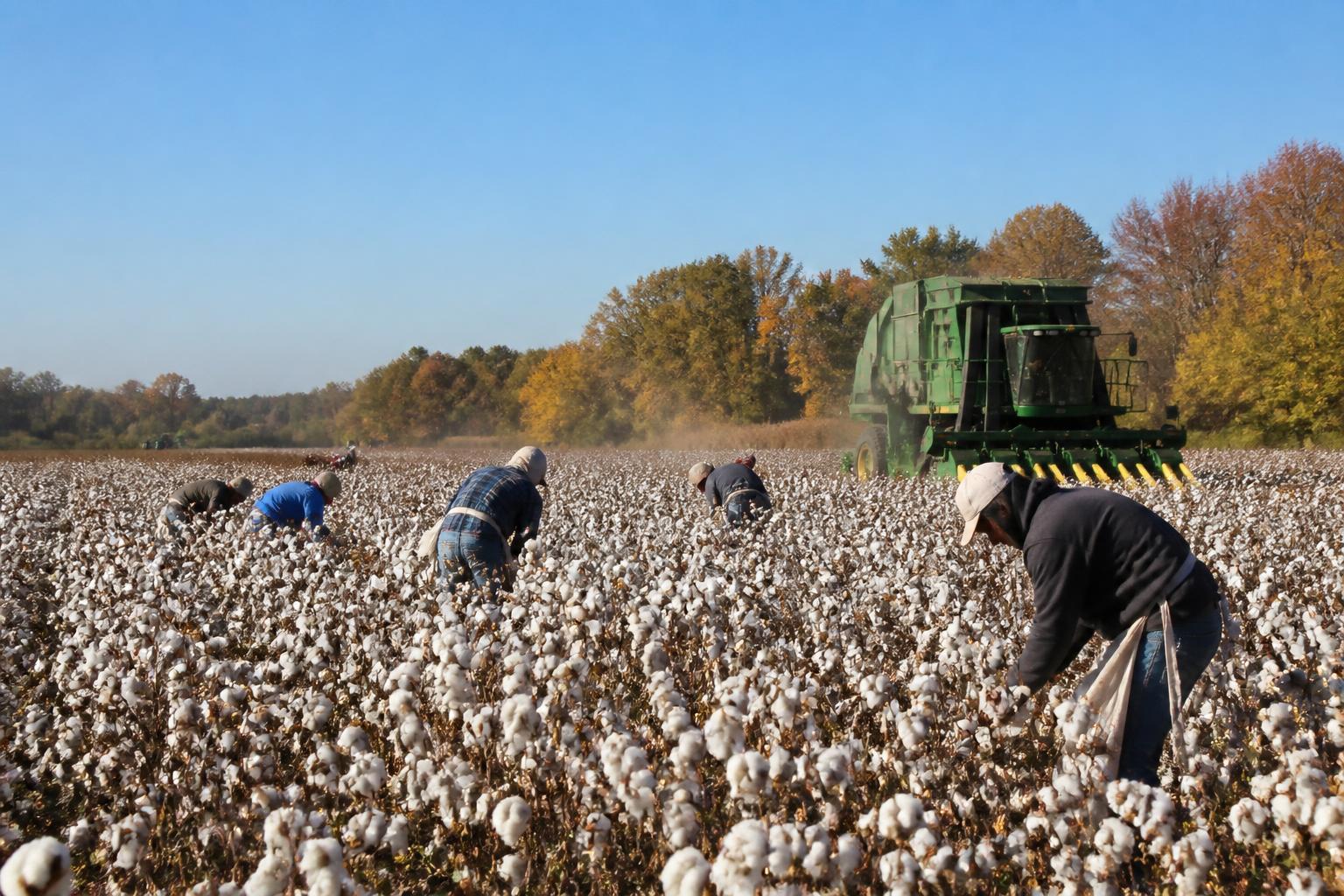
As the Texas agricultural sector moves deeper into the fall harvest, producers are navigating a complex landscape defined by persistent financial headwinds. While seasonal activity across the Panhandle and South Texas remains high, market participants continue to keep a close watch on the intersection of rising production expenses and shifting long-term land valuation trends.
Input management remains a primary concern, with recent discussions highlighting the impact of sustained price volatility on fertilizer procurement. For many operations, the margin between commodity returns and input outlays has tightened, forcing a more disciplined approach to nutrient application and resource allocation throughout the season. Efficiency in this area has become a focal point, as producers search for sustainable ways to protect yields without further eroding thin operating margins.
Managing Operational Risks
Beyond fiscal pressures, logistics and resource management remain essential for maintaining field productivity. The operational realities of the current cycle demand constant attention to detail, whether managing the timing of field interventions or addressing unexpected livestock health challenges. Ongoing efforts by state agricultural departments and local organizations to provide resources for mental health and operational guidance reflect the broader recognition of the stresses currently placed on farming families across the state.
Looking Ahead to End-of-Season Logistics
As harvest volume increases, regional storage facilities and logistics networks are preparing for the typical surge in activity. From the grain-dense corridors of the Panhandle to the specialized production zones further south, the ability to effectively manage grain storage and transport is critical. Producers are encouraged to maintain close communication with local elevators and transport providers to navigate potential bottlenecks as the fall window progresses and seasonal demand for logistics services tightens.
What it means for the market: The prevailing market environment underscores a shift toward higher-precision management. For Texas producers, the ability to balance immediate input costs against volatile output prices will largely dictate success for the remainder of the season, making access to reliable regional information and resource optimization more vital than ever.
Comments
No comments yet - be the first to share your take.