
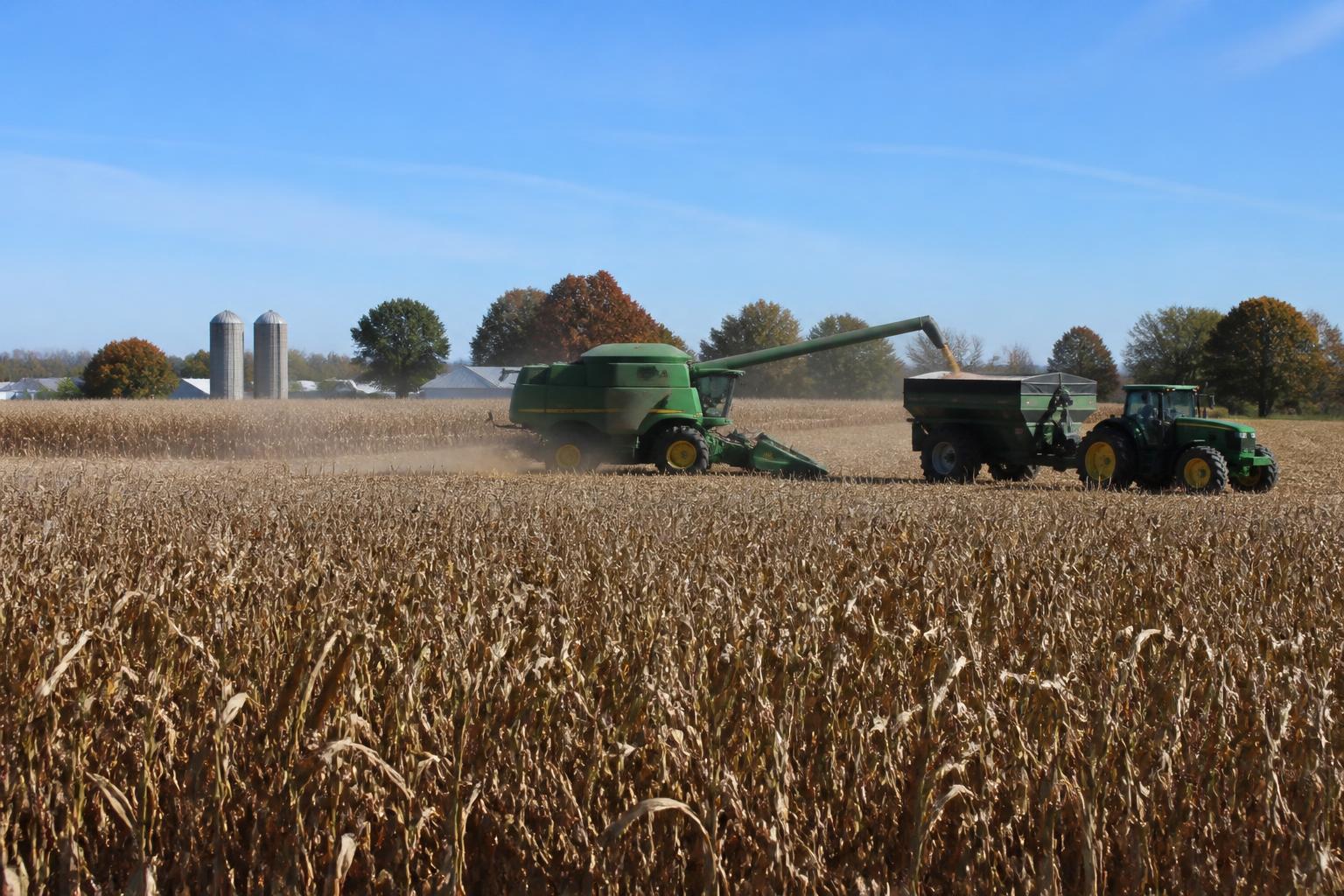
Missouri agricultural producers are increasingly looking for ways to navigate a challenging economic environment where commodity price growth continues to lag behind persistent input costs. For many farming operations across the state, the current focus is on maximizing efficiency and managing cash flow to protect long-term solvency.
Managing Fertilizer Costs in a Tight Market
In response to these tightening financial margins, experts at the University of Missouri Extension have highlighted a tactical shift for producers: the potential to delay applications of phosphate and potassium fertilizer. By closely monitoring soil test results and focusing applications only where they are most critically needed, producers may be able to reduce immediate expenses without compromising the long-term yield potential of their acreage. This approach requires disciplined soil sampling to identify which fields can withstand a pause in nutrient replenishment versus those that require immediate attention.
Contextualizing Production Decisions
These strategic adjustments come at a time when producers are balancing multiple variables, from managing shifting weed pressures like goosegrass to navigating the financial volatility that often accompanies regional commodity cycles. For operations looking to refine their economic outlook, the decision to delay inputs is often part of a broader strategy to handle rising production expenses. Furthermore, as logistics continue to evolve with new barge terminal infrastructure, the ability to optimize local resource management becomes a key differentiator for regional profitability.
Ultimately, the goal for Missouri growers remains the same: maintaining a sustainable, productive operation amidst a fluctuating market. Evaluating input needs on a field-by-field basis allows for a more surgical approach to capital allocation, ensuring that investments are made where they will provide the most significant return.
What it means for the market
The trend toward cautious input spending suggests that demand for specific fertilizer products may remain tempered as producers prioritize liquidity. Dealers and cooperatives should prepare for more targeted purchasing behaviors, as farmers move away from broad-acre application strategies in favor of data-driven, conservative nutrient management plans.
Comments
No comments yet - be the first to share your take.