
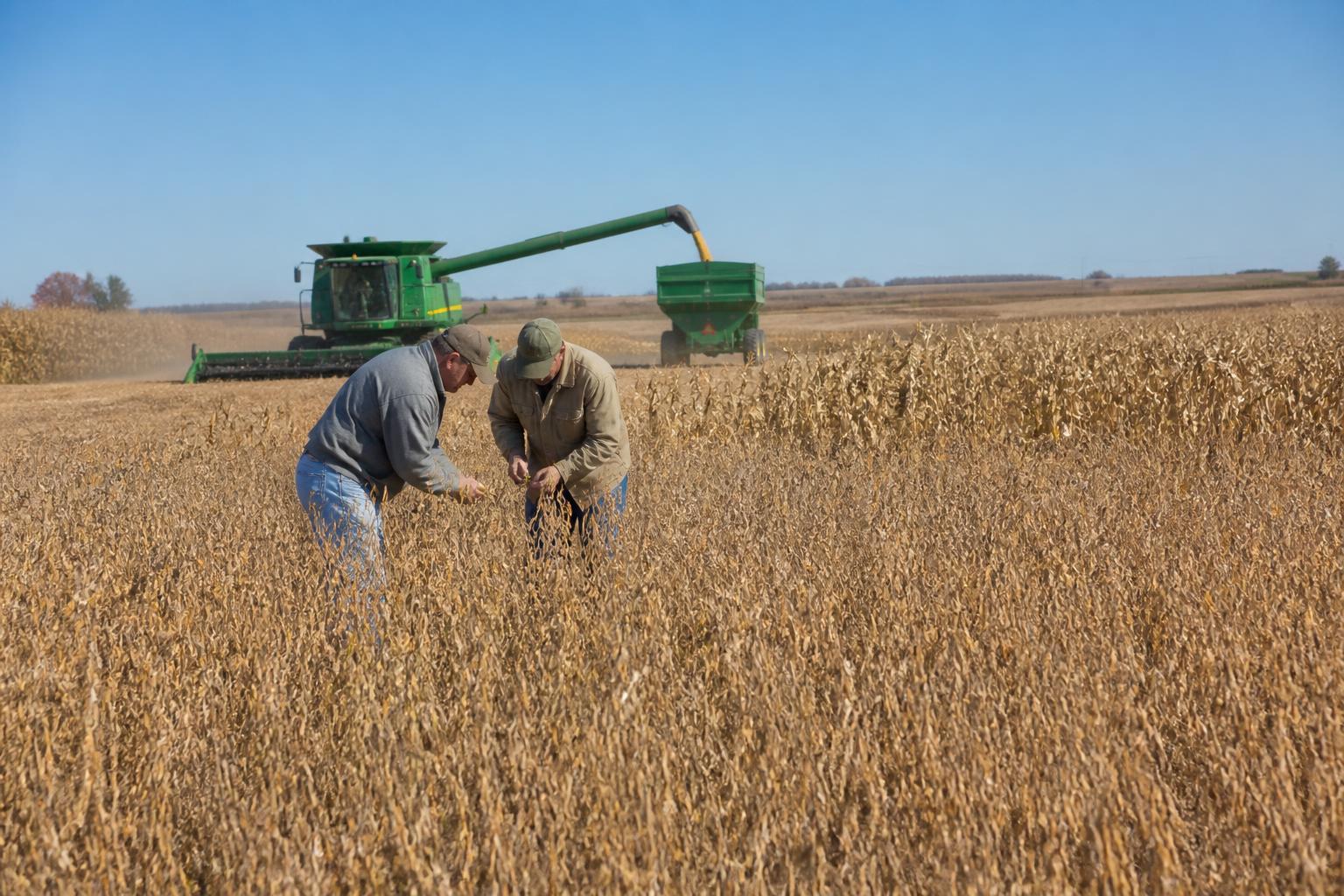
As we move deeper into September, the transition toward the fall harvest season brings a familiar set of challenges for Massachusetts agricultural operations. Producers across the Commonwealth are observing how global market volatility and shifting input costs continue to influence the bottom line, impacting everything from grain storage decisions to equipment maintenance schedules. Staying informed about these broader trends is essential for those looking to optimize grain readiness during this critical window.
Adapting to a Complex Market Landscape
In many regions of Massachusetts, farmers are reporting a focus on managing risk as external pressures mount. While national and international supply chains remain sensitive to geopolitical factors, local agribusinesses are finding that efficiency is the primary defense against margin compression. Whether it is through fine-tuning irrigation technology in response to localized water concerns or assessing the viability of long-term storage, the current environment demands a cautious approach to capital allocation.
Equipment and Infrastructure Management
As the season progresses, manufacturers have been observed adjusting their inventories, which may lead to shifts in the availability of new farm machinery. For operators in counties like Franklin or Worcester, maintaining existing equipment has become a standard strategy to mitigate the impact of market fluctuations on capital expenditure. Prioritizing routine service for harvesting implements now can prevent costly downtime during the peak autumn rush, ensuring that yields reach their destination with minimal loss.
What it means for the market
For Massachusetts producers and grain handlers, the current landscape emphasizes the importance of local resilience. As global pressures keep input and transport costs fluid, the most successful operations are typically those that prioritize logistical precision and proactive storage management. By keeping a close eye on regional inventory levels and securing necessary resources early, agricultural businesses can better navigate the complexities of this harvest cycle and position themselves for more stable financial performance in the months ahead.
Comments
No comments yet - be the first to share your take.