
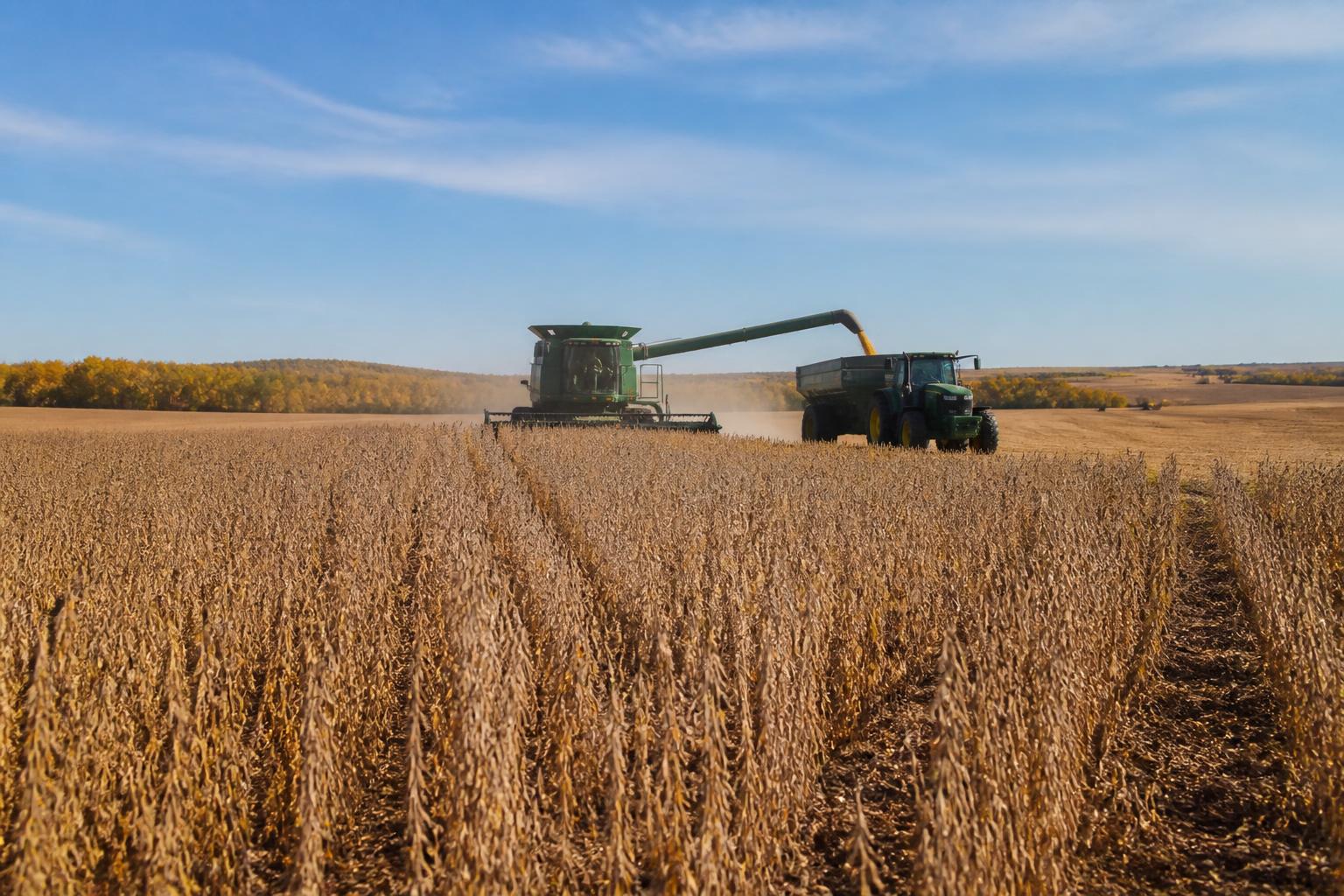
As harvest activity accelerates across North Dakota, producers are navigating a complex landscape defined by persistent infrastructure constraints and rising input expenses. With the fall season in full swing, the regional supply chain is feeling the pressure from a significant grain car backlog, which is complicating the movement of commodities from local elevators to major shipping hubs.
For many operators, these logistical hurdles are compounded by record-high diesel prices. As regional transport demand climbs, fuel surcharges have become a focal point for grain handlers and farmers alike, further eroding bottom lines that are already under stress from broader economic pressures in the sector.
Infrastructure and Transport Bottlenecks
The current accumulation of grain cars waiting to be filled highlights the ongoing struggle to align rail capacity with seasonal yield volume. In the heart of North Dakota’s primary growing corridors, keeping local storage moving is essential to maintaining pace with the combine. Navigating these infrastructure-driven delays requires careful coordination between producers, local elevators, and rail carriers to avoid hitting capacity limits while the harvest window remains open.
Managing Input and Operating Costs
Beyond transportation, the cost of doing business remains a critical factor this September. With the broader focus on stabilizing production expenses, ongoing discussions at the federal level continue to examine strategies for moderating fertilizer pricing, a key variable for North Dakota producers planning for the upcoming season. Efficient management of field data through tracking systems is becoming increasingly common as growers look for any opportunity to optimize machine usage and fuel efficiency during these high-traffic months.
What it means for the market
The convergence of tightened rail logistics and elevated diesel costs necessitates a proactive approach to grain marketing and inventory management. Producers who are able to secure reliable transport early or those with sufficient on-farm storage may find themselves better positioned to weather the current volatility in transit times and fuel surcharges. Monitoring local basis levels and staying in close communication with regional grain elevators will be essential for managing profitability as the final bushels are brought in.
Comments
No comments yet - be the first to share your take.