
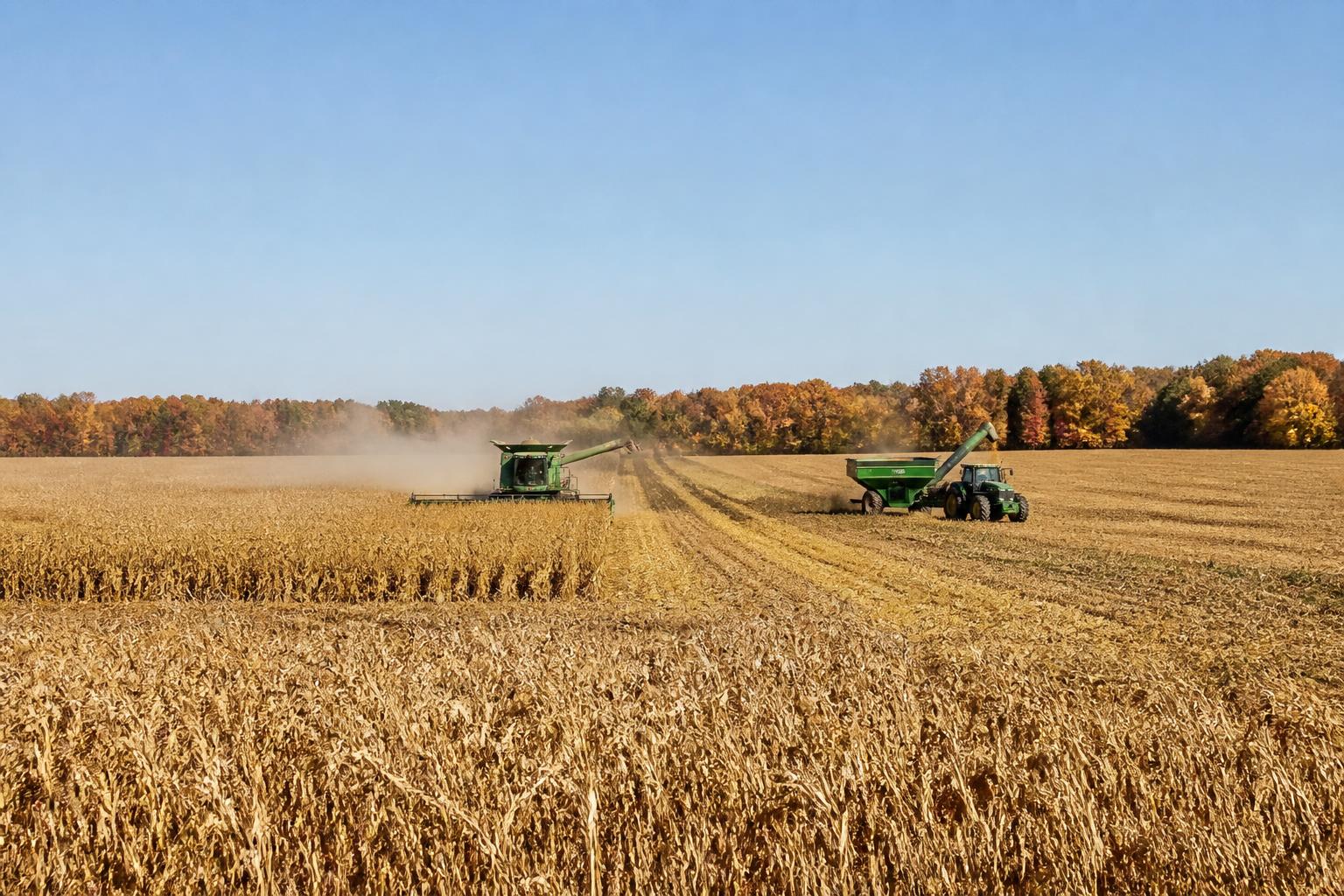
As harvest activities accelerate across North Dakota, producers and grain handlers are navigating a complex landscape defined by shifting environmental conditions and persistent logistical constraints. The current fall season has brought renewed focus to the state's transport corridors, where regional infrastructure, often sensitive to excessive moisture, can impact the speed and cost of moving grain from the field to regional elevators.
Effective risk management remains a top priority for agribusinesses, particularly as they assess how past weather-related disruptions have altered traditional grain handling patterns. For many operators, the focus is on maintaining fluid movement to avoid storage bottlenecks, a challenge that is compounded by fluctuating input delivery schedules and the need for reliable regional supply chains.
Adapting to Operational Realities
Market participants are paying close attention to yield reports surfacing across the state. While certain regions have seen consistent outcomes, variability in spring wheat quality and volume remains a subject of concern for both marketers and logistics providers. This inconsistency forces a more localized approach to storage and marketing, as producers in some districts face stricter capacity management than others.
Furthermore, the broader agricultural sector is keeping a watchful eye on regulatory and policy shifts that could influence land use and resource access. Growers navigating the evolving regulatory landscape are increasingly turning toward sustainable management practices to protect their bottom line, balancing operational efficiency with the need for long-term farm resilience.
Infrastructure and Logistical Bottlenecks
Transporting goods remains one of the most critical variables for the North Dakota market. Heavy rains in preceding seasons have highlighted the vulnerability of rural roads and regional rail connections. Industry observers note that when these transit arteries are restricted, the resulting logistical drag can create a ripple effect that touches everything from input costs to final delivery windows at export terminals. Proactive communication between local elevators and freight carriers is essential to mitigate these potential delays as harvest volume reaches its peak.
For those managing late-season protection and crop storage, the priority continues to be mitigating spoilage risks while monitoring local basis levels. As the season progresses, the ability to pivot logistics in response to sudden infrastructure alerts will define which operators maintain a competitive edge in a tightening market.
What it means for the market
The convergence of variable yields and ongoing infrastructure sensitivity means that market success this fall depends on agility. Producers should prioritize flexible grain storage plans and maintain tight coordination with logistics partners. By staying informed on regional transit limitations and optimizing site-specific handling, agribusinesses can better navigate the volatility inherent in this year's harvest season.
Comments
No comments yet - be the first to share your take.