
Managing Early-Season Disease Risks in the Field
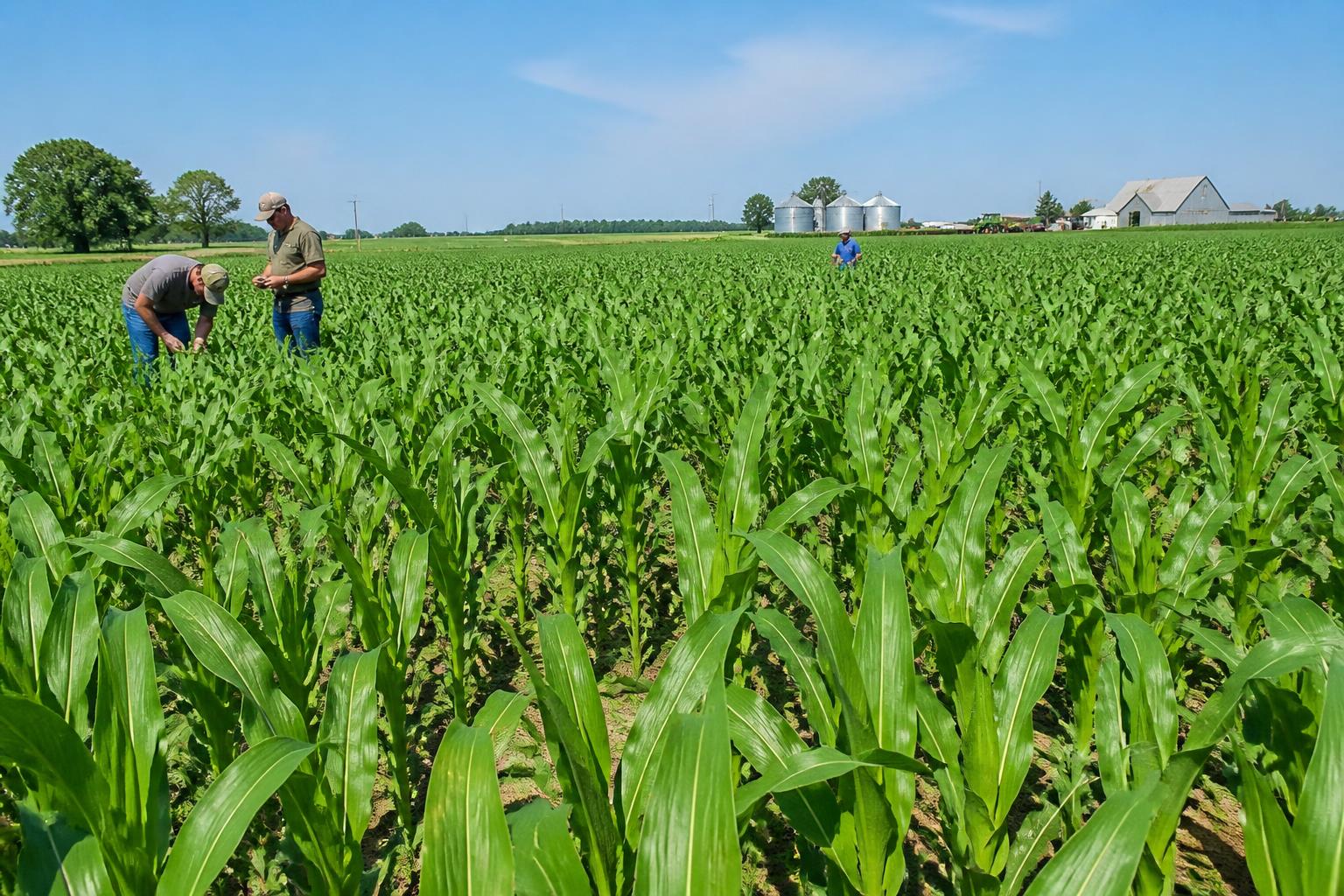
With young corn rapidly developing across Illinois counties, field scouting has become a top priority for agribusinesses. Recent regional reports indicate that corn tar spot has already been detected in two Midwest states. This early detection serves as a vital warning for local growers, particularly along the humid river valleys and high-density planting zones where the fungal pathogen can quickly take hold under the right summer conditions.
Proactive management requires early intervention. Because early-season weather can fluctuate, agronomists recommend checking lower leaves for the characteristic raised, black spots of the disease. Catching tar spot before it climbs the canopy is essential to preventing significant late-season yield drag and maintaining plant health.
Fertilizer Price Pressures and the Stewardship Battle
Balancing crop safety with economic realities is proving difficult for many producers this June. According to recent retail data, potash prices surged by 13 percent over the last month, leading a broader rise in key retail fertilizer prices. This sharp spike exacerbates a wider financial strain on operations, as recent industry surveys indicate that a significant portion of U.S. farmers find standard fertilizer programs financially out of reach at current rates.
At the same time, Illinois agriculture continues to battle serious nutrient loss issues. State agencies and conservation groups are actively working to reduce the runoff of nitrogen and phosphorus into local watersheds. For strategies on balancing these complex chemistry and budget dynamics, growers can consult the Illinois crop protection guide to coordinate chemical applications with environmental stewardship programs. Additionally, with Callahan recently named the state's new director of natural resources, conservation policy is expected to maintain a sharp focus on watershed protection and farm-level runoff mitigation.
Key Takeaways for Illinois Operators
- Scout Early: Keep a close eye on V4 to V5 corn, particularly in high-risk, high-humidity microclimates, to detect early signs of tar spot.
- Budget for Potash: Manage the 13 percent monthly rise in potash prices by optimizing application rates and utilizing variable-rate technology where possible.
- Prioritize Nutrient Stewardship: Align nitrogen and phosphorus application timings with local conservation guidelines to mitigate nutrient runoff and reduce input waste.
What it means for the market
For Illinois crop inputs buyers, grain handlers, and farmers, the combination of rising fertilizer expenses and early-season disease threats underscores the need for highly precise crop management. High potash prices may limit mid-season replenishment, potentially affecting late-summer stalk strength and overall yield potential. Growers who successfully balance proactive disease suppression with efficient, runoff-reducing nutrient applications are best positioned to protect their margins in a high-cost environment.
Comments
No comments yet - be the first to share your take.