
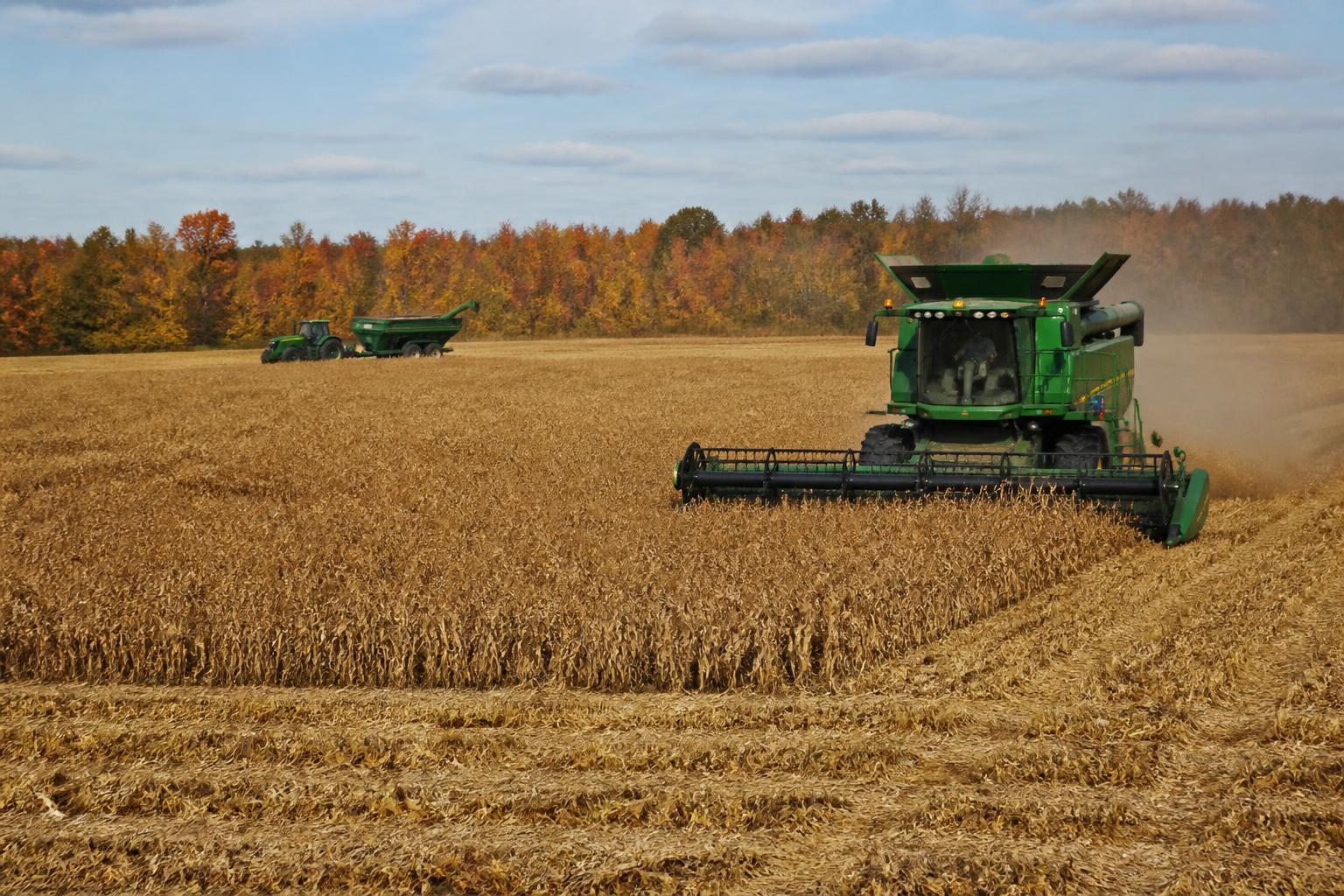
With the fall harvest gaining steady momentum across Minnesota, regional elevators and grain handlers are preparing for the typical surge in crop movement. The state's agricultural landscape remains resilient, with recent market activity showing signs of consolidation. Notably, efforts to optimize grain movement continue to be a primary focus for cooperatives and commercial operators managing local inventory flow.
Infrastructure Evolution and Market Consolidation
The recent acquisition of a Minnesota grain facility by Landus underscores a broader trend of infrastructure investment designed to better serve local producers. Strategic upgrades and ownership transitions often aim to enhance efficiency, especially as the state faces the annual logistical challenge of transporting bulk commodities from field to terminal. For farmers and carriers, these developments can sometimes signal shifts in local basis levels and delivery availability.
Land Value and Economic Outlook
Despite the inherent volatility of the global commodities market, interest in Minnesota farmland remains relatively steady. Anecdotal reports from across the state suggest that producers are viewing current conditions with cautious optimism, supported by an outlook that balances potential input costs with projected yields. This stability in land interest is a critical indicator for those looking at long-term capital investments or facility expansion.
Future-Proofing Through Innovation
Beyond traditional grain logistics, Minnesota is increasingly becoming a hub for agricultural innovation. Recent research collaborations, such as the initiative involving Kernza, highlight a growing interest in crop diversification and sustainable farming practices. While traditional row crops continue to drive the immediate market, these long-term projects reflect a proactive effort to bolster the state's agricultural resilience against environmental and economic shifts.
What it means for the market
For Minnesota agribusinesses and grain handlers, the current season is characterized by a balance between immediate operational logistics and long-term infrastructure scaling. Producers should monitor local elevator capacity and any localized shifts in basis following facility acquisitions, as these changes can influence delivery strategies during the height of the fall rush.
Comments
No comments yet - be the first to share your take.