
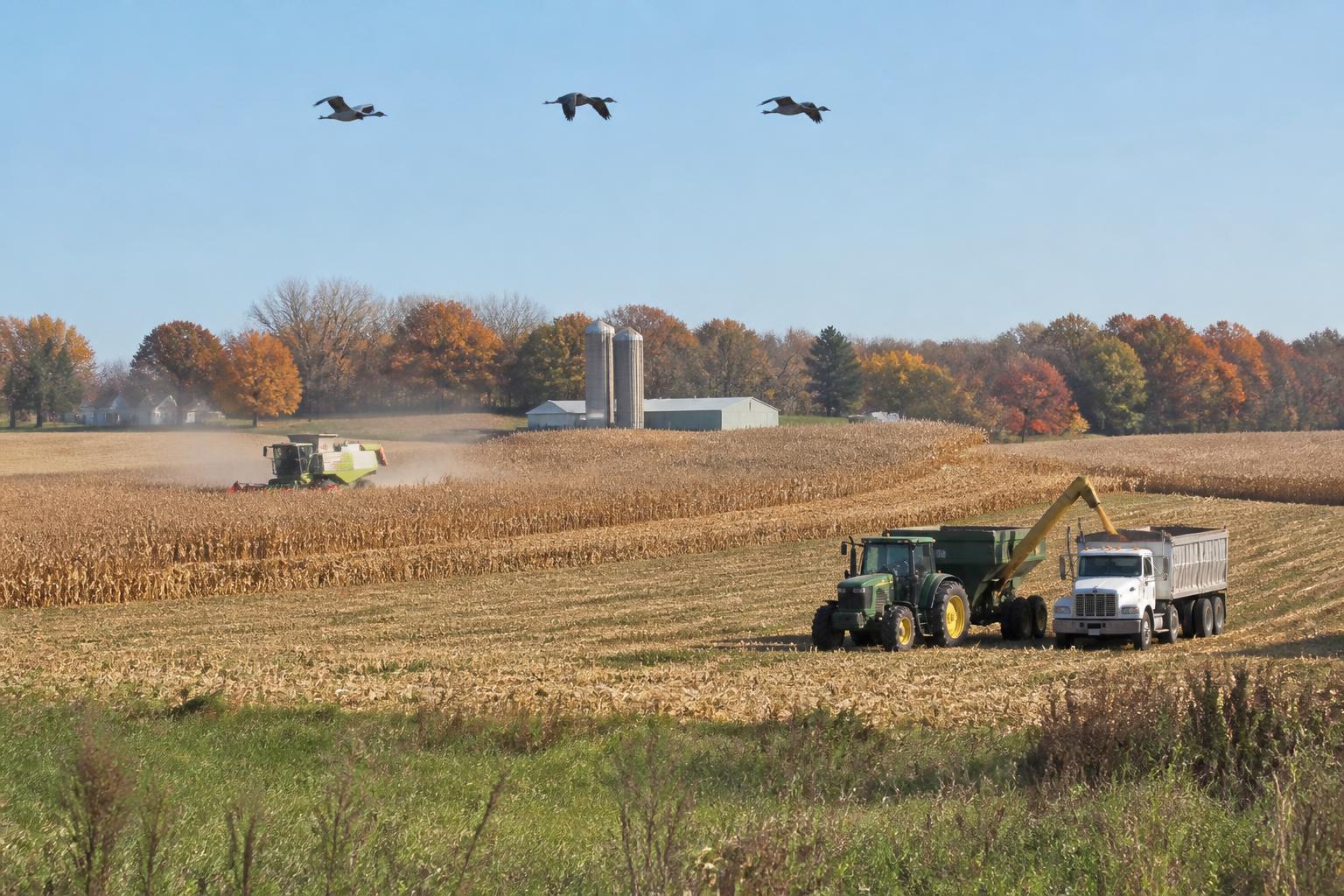
New Hampshire farmers are navigating a complex transition this fall, balancing the harvest of secondary crops with long-term adjustments following a season marked by unpredictable weather patterns. Recent climate challenges, including spring freezes that impacted yields for staple crops like apples and peaches, have forced many producers to re-evaluate their portfolios. Many operations are increasingly turning toward diversification to stabilize revenue streams in a volatile environment.
Adapting to Evolving Farm Risks
Beyond weather-related losses, producers are also contending with environmental concerns that impact land stewardship and market access. Reports from local agricultural hubs, such as those in Chester, suggest that concerns regarding chemical contamination and land health are prompting increased vigilance among growers. This shift often requires greater investment in soil health and rigorous monitoring to ensure farm-level viability. For many local operations, this means exploring alternative income sources and crop varieties that can better withstand regional climate variability.
As farmers adjust their planting and harvest schedules, the role of state and federal support programs remains critical. The recent influx of federal investment into plant pest prevention and clean plant initiatives is seen by many as a vital step in maintaining the long-term health of the state's agricultural infrastructure. Whether dealing with pests or regulatory hurdles, staying connected to broader logistics and supply chain trends is essential for farm operators looking to mitigate localized risks.
What it means for the market
The current market environment in New Hampshire highlights the necessity of adaptability. As producers pivot away from damaged harvests toward more resilient crop models, we expect to see continued interest in niche markets and sustainable land management practices. For grain handlers, input buyers, and logistics providers, this change in agricultural output could influence local storage requirements and distribution routes as farms stabilize their production profiles heading into the colder months.
Comments
No comments yet - be the first to share your take.