
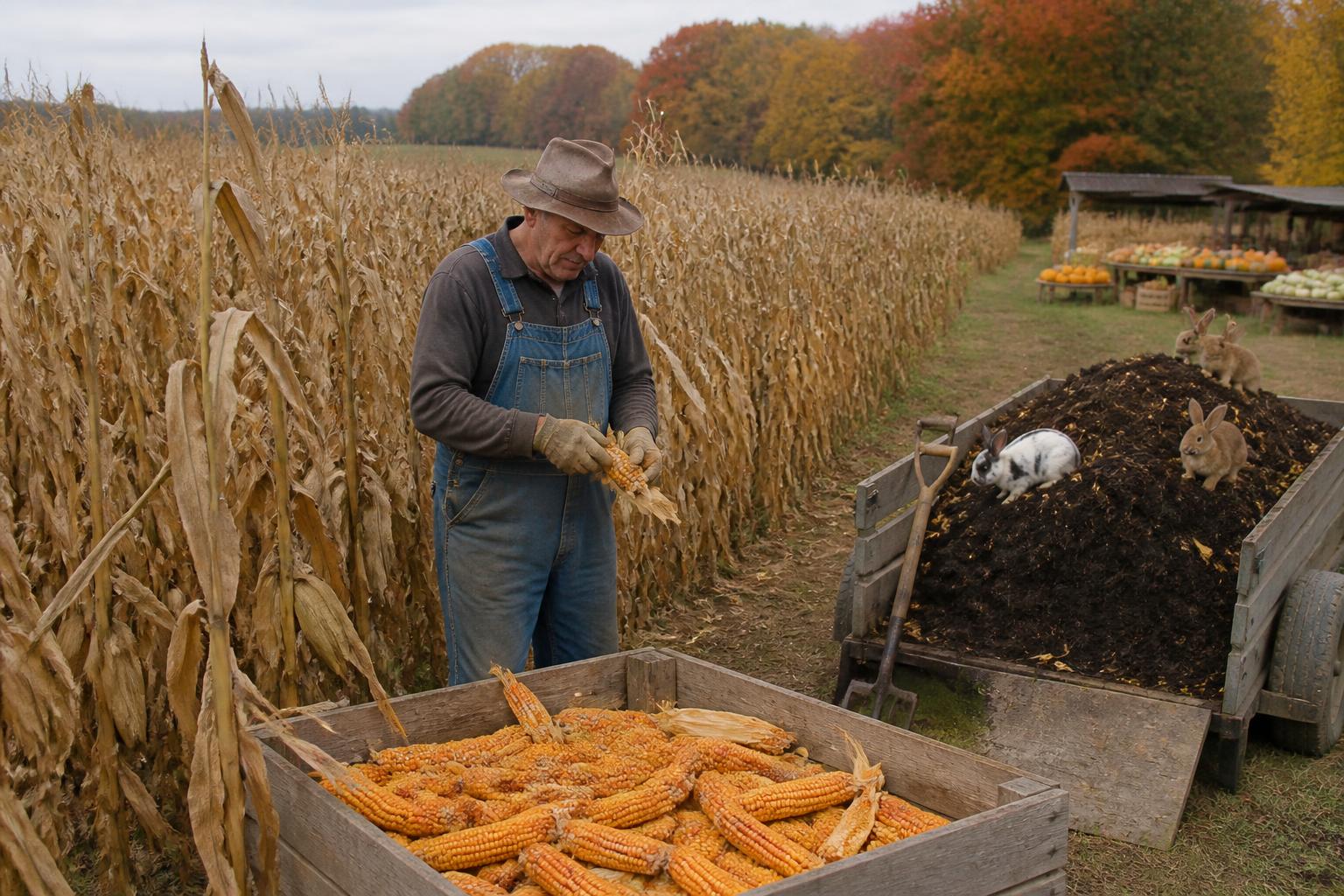
As the fall harvest season shifts into high gear across North Carolina, the interplay between crop movement and regional logistics is intensifying. For producers across the state, managing the flow of commodities from field to bin or processor requires careful coordination, especially as seasonal traffic patterns change. Ensuring that transport routes remain clear and that equipment is positioned effectively is essential for maintaining momentum during this peak period.
Efficient logistics often hinge on the ability to navigate local infrastructure during high-volume windows. Whether hauling grain to regional elevators or managing the movement of specialty crops, farmers are increasingly looking for ways to streamline their supply chains. The challenges of managing seasonal transit and labor resources can impact the overall profitability of the harvest, making strategic planning a cornerstone of successful operation.
Optimizing Transport and Input Costs
The current environment highlights the need for adaptability in logistical planning. From the rolling hills of the Piedmont to the coastal plains, farmers are weighing the costs of freight against the need for timely delivery. As seen in past seasons where regulatory oversight and transit pressure have converged, staying ahead of potential bottlenecks is vital. Those who prioritize reliable partnerships with carriers and maintain flexible delivery schedules often find themselves better prepared to handle unexpected shifts in the market.
Leveraging Regional Resources
Beyond traditional logistics, producers are exploring creative solutions to input and output challenges. With rising interest in sustainable soil health, many are looking toward localized sources for nutrients and soil amendments, which can potentially lower long-haul transportation costs. Furthermore, understanding the regional movement patterns of commodities—particularly when infrastructure is stressed—can provide a competitive edge in ensuring crops reach market destinations efficiently.
What it means for the market
The bottom line for North Carolina agribusinesses is that logistical agility is currently as important as yield potential. By focusing on smart route management and proactive coordination of shipping resources, farmers and grain handlers can mitigate some of the inherent risks of the busy fall season, ensuring that the fruits of a productive year are moved to market without unnecessary delays or added costs.
Comments
No comments yet - be the first to share your take.